Graham Spencer

1054 posts on MacStories since January 2011

Former MacStories contributor.

Report Says 26% of Mobile Apps Are Only Run Once

Analyst firm Localytics decided to investigate how many apps are downloaded and then used only once, never to be touched again. What they discovered was that a surprisingly high percentage of 26% of all apps downloaded were only ever used once.

The research Localytics did involved thousands of apps from every major mobile platform and over a period of a year. In fact interestingly throughout 2010 the number of apps that were only run once increased from 22% in the first quarter to 28% by the fourth quarter.

Read more


Apple Possibly Tightening the iOS Walled Garden

Apple seems to be tightening its control over the App Store ecosystem after telling some developers including Sony that the selling of e-books within their app must go through Apple. The move is somewhat contradictory of recent movements by Apple to open up the App Store and gestures of collaboration with publishers.

Steve Haber, president of Sony’s digital reading division told the New York Times that Apple rejected Sony’s e-book reader iPhone application on the basis that the app would have let users buy e-books bought from the Sony Reader Store, bypassing Apple and that any purchases made from within an app must go through Apple from now on.  Mr. Haber said; “We always wanted to bring the content to as many devices as possible, not one device to one store.”.

[Updated and points clarified in light of responses to the NYT article]

Read more


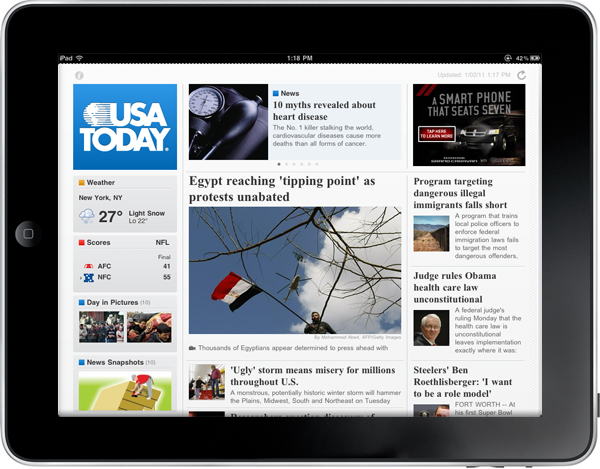
iPad ‘Real Positive’ for USA Today’s Future

The Telegraph reported yesterday that Gannett, publisher of USA Today has been enthused by the iPad’s impact on their business, despite having to initiate cost-cutting measures in other aspects of their business. Their free iPad App, available worldwide, has been downloaded more than 1.4 million times since launching April last year.

Gannett, like many other Newspaper organizations had to cut 130 jobs in August at USA Today and lost 6% advertising revenue worth $722m in the last quarter. Yet Gannett’s chief operating officer, Gracia Martore said that “The iPad has been a real positive for USA Today, we expect this will translate into much more significant improvement.”

At this stage USA Today remains free and it’s revenue comes from generating ad revenue from within the app. Gannett’s Chief Executive however couldn’t rule out charging users in the future, saying “We’re looking across the board at this.” Gannett and other newspaper publishers will no doubt be watching closely at tomorrow’s announcement of News Corp’s The Daily and this month’s pay-wall that the New York Times is implementing.

[Via The Telegraph]


The Great Disparity in Global iTunes Prices

Over the weekend I curiously started investigating whether Australians had been getting a progressively worse deal for their iTunes purchases as the Australian dollar rose from USD$0.60 to parity whilst iTunes prices stayed constant. The answer is most definitely a yes but it doesn’t just apply to Australians, and the extent of the price disparity is larger than I had thought.

Whilst Apple is entitled to have different prices for different regions, it doesn’t really need to. Furthermore the extent to which there is price disparity is very extensive for the music section of the store and this article aims to bring the inequity to light. Apple has previously been under similar pressure but the exchange rates reverted back, I would hope Apple again reconsiders their iTunes pricing system now when exchange rates have pushed the disparity to a very high level.

This turned into a bigger article than I had expected so here are the key things I cover and keep reading after the break for a full run down with tables, graphs and more.

  • iTunes uses fixed prices (i.e. $0.99, $1.29 etc.) and for stores outside the US these price levels were converted using a very conservative prediction of the future value of a particular currency
  • The price levels in non-US stores seem not to have been updated in a long time, yet the value of the non-US currencies have mostly appreciated since then. As a result people purchasing from most of the non-US iTunes Stores are now paying more than US customers and Apple is earning more from those customers
  • The conversion rate is different for the App Store and Music store (and likely the other stores too), the App store conversion rates are much more appropriate and the price disparity is less extreme.

Updated on April 27 2011 - see end of article for revised figures and comment.

Read more


Xserve Third Party Replacement, ActiveSAN Revealed

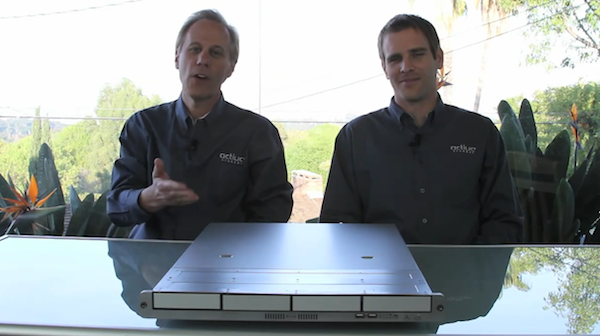
ActiveSAN, the product that was being teased over the past few days has finally been announced as third party replacement for Apple’s Xserve which was discontinued in January.

The product, called ActiveSAN is rack-mountable unit, runs on the Linux operating system with metadata controllers and the ‘Quantum StorNext SAN file system’. It’s hardware uses the Active Storage product design, runs on the Intel Nehalem server platform and is Xsan compatible.

No definite word on whether it is officially endorsed by Apple yet.

Jump the break for a video introduction by the company and additional details as they come.

Read more


Apple’s Website Returns from Outage with New Design

The Apple site today went down and despite earlier rumors that it had gone down because of the launch of the white iPhone 4, the outage seems to have been due to cosmetic changes being made to Apple.com. The most obvious change is the sites navigational bar that is now a much darker tint of gray.

Animations have been added to several pages (such as the iPhone page) and the key pages from the navigational bar have been revamped and refined. Jump the break for images of the new Apple.com or head there yourself.

The Store and Support component of the site are still down; when it returns this post will be updated.

UPDATE 1: A very subtle background texture has been also added to the site. Comparison included after the break.

UPDATE 2: Store and Support seem to be up, with no change.

Read more


iPhone, iPad Rumored to Get NFC Technology, Large Opportunity Awaits

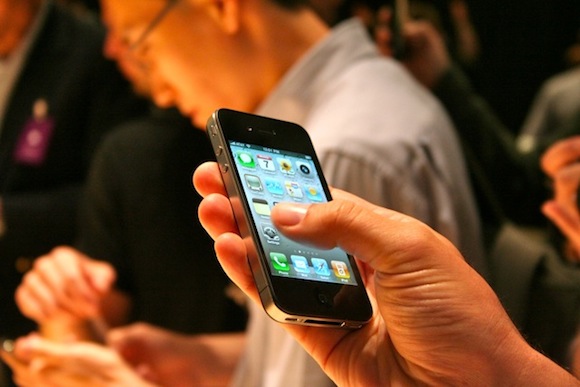
A report by Bloomberg today suggests that Apple’s next iPhone and iPad are likely to feature NFC (Near-Field Communication) technology that would allow various forms of data transfer between the iPhone and another NFC capable device. Richard Doherty of consulting firm Envisioneering Group explains that the technology would be primarily used for making purchases at physical stores, expanding Apple’s reach in commerce beyond just iTunes.

Near-Field Communication is a technology that can send and receive data between two such devices with NFC that are up to 4 inches apart. The technology has gained popularity in recent times, most notably being included in Google’s Nexus S.

By including NFC into the iPhone and iPad, Apple could use it’s existing iTunes accounts and give consumers an alternative to more traditional financial services by Visa, MasterCard and PayPal. Richard Crone, an industry advisor suggests that “It would make a lot of sense for Apple to include NFC functionality in its products.”

Read more


Microsoft Tries to Convince Enterprise that the iPad is Inadequate

So with Microsoft previous attempts at a tablet/slate/UMPC/pad not going so well and with Ballmer unhappy about how successful the iPad has been, Microsoft has started a new strategy. This strategy involves putting together a marketing campaign targeting the enterprise market and claiming the iPad is not secure or flexible enough to be deployed in the enterprise.

Undoubtedly this is an attempt to try and stop or slow the iPad penetration into the enterprise after it was revealed 80% of the Fortune 500 companies were deploying iPads. The 10 page PowerPoint presentation also encourages Microsoft’s partners to position Windows 7 tablets against the iPad.

Read more


BootXChanger Revitalizes Your Mac Boot Screen

Apple’s default boot screen is an admittedly bland and very grey affair, luckily BootXChanger (which has had more than three years of development) offers a simple drag and drop way to add your own image and change the background color.

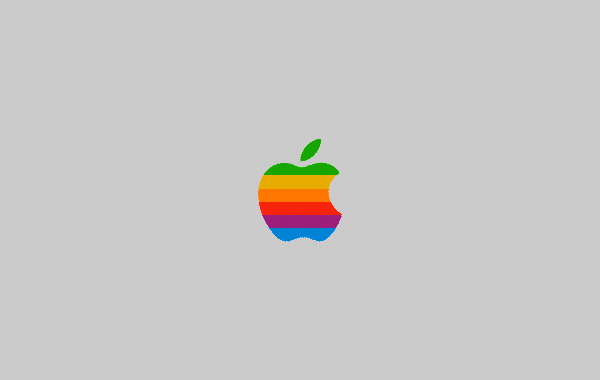
It’s recommended that the image you use to replace the Apple logo should be 90x90 pixels, any larger and depending on your Mac it may be resized or not show up at all. Images can have transparency and this is a good way to ensure the image matches the background. As a nice extra touch, BootXChanger comes with some sample images such as the old rainbow Apple logo and the Finder logo.

Read more