Stephen Hackett

73 posts on MacStories since November 2016

Stephen is the co-founder of [Relay FM,](https://www.relay.fm/) where he hosts [several podcasts.](https://www.relay.fm/people/stephenhackett) He also writes the blog [512 Pixels](https://512pixels.net/) and shares a home office with way too many old Macs. He's been covering Apple since 2008 and has a dogcow tattoo on his right ankle.

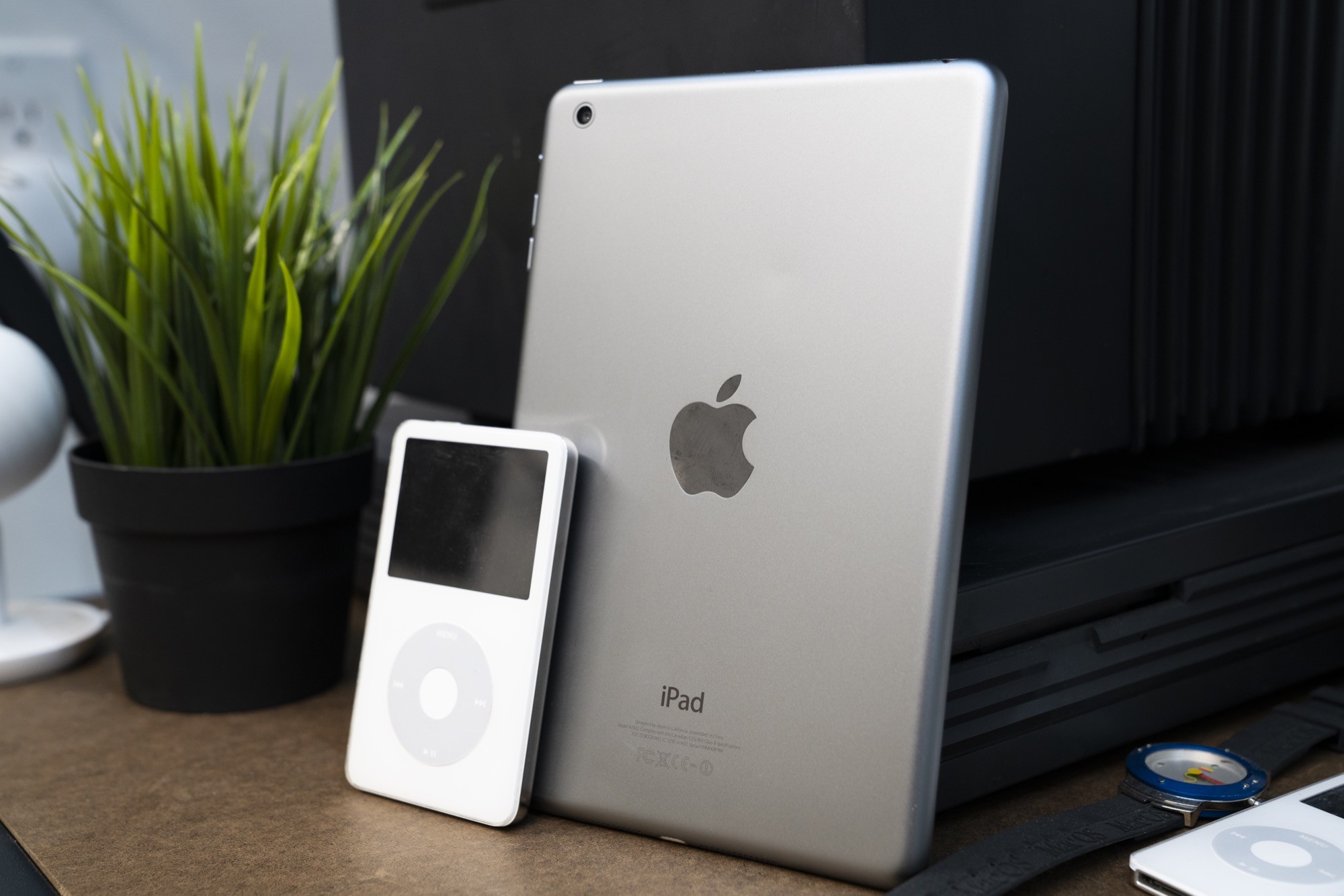
A Look Back at the Original iPad mini

For the first several years of its existence, the iPad was defined by its 1024x768 9.7-inch screen.

The original iPad weighed in at 1.5 pounds, but with the iPad 2 shaved that down to just 1.3 pounds, thanks to advances in the technology inside its revised design.

Despite the iPad becoming lighter and easier to hold, many people were clamoring for an even smaller iPad. In October 2012, Apple answered their call with the iPad mini.
Read more


Some of Apple’s Forgotten iOS Apps

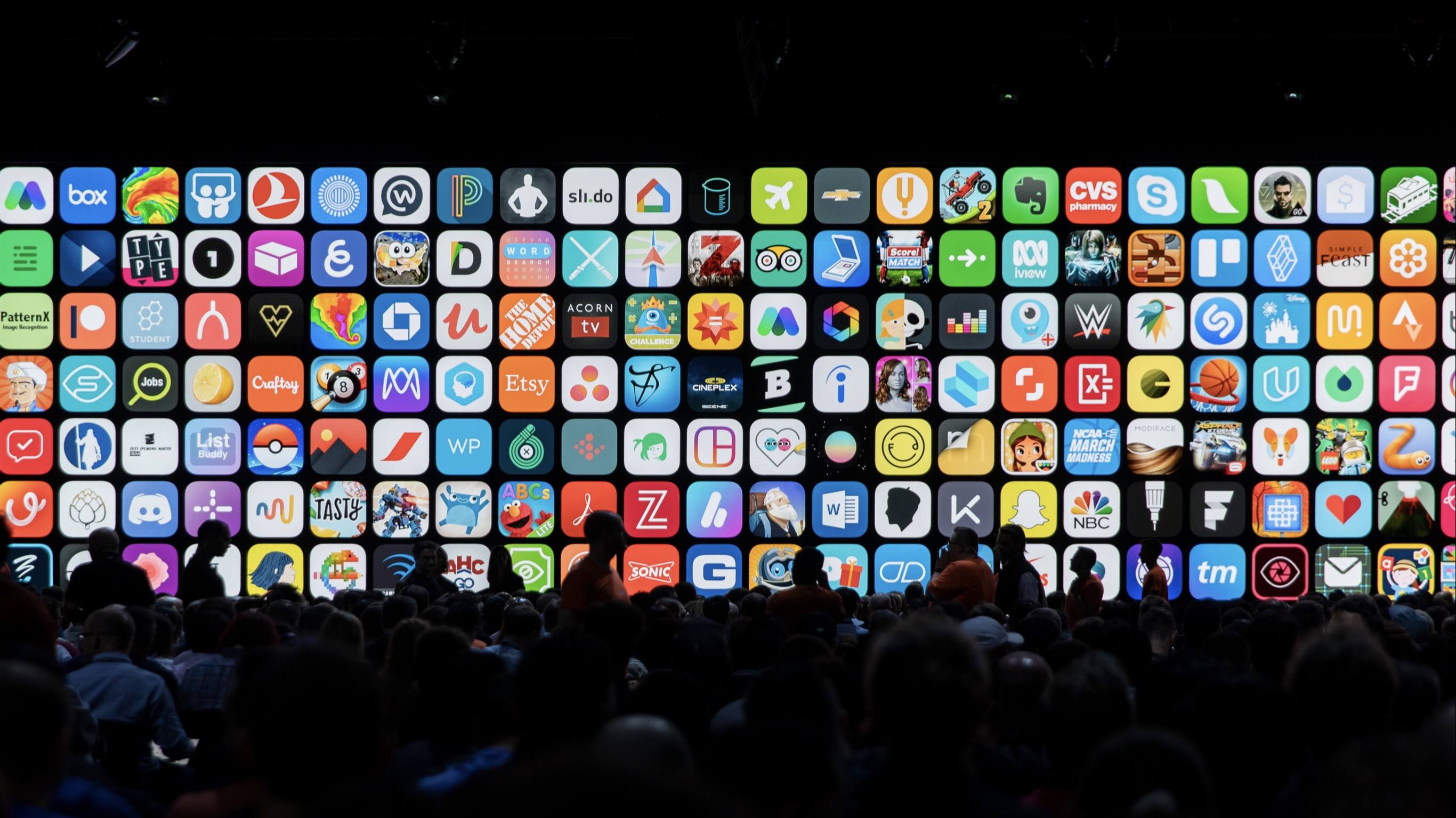
Apple has just about always offered iOS apps on the App Store, separate from what apps come bundled on its devices from the factory.

Sometimes, these apps get promoted to being part of the iOS image, like Podcasts and iBooks have. Once stuck hanging out on the App Store, they now ship on the iPhone and iPad by default.

A lot of other apps weren’t luck enough to get that lifeline, and have since been removed from the App Store. Let’s take a look at a few examples.

Read more


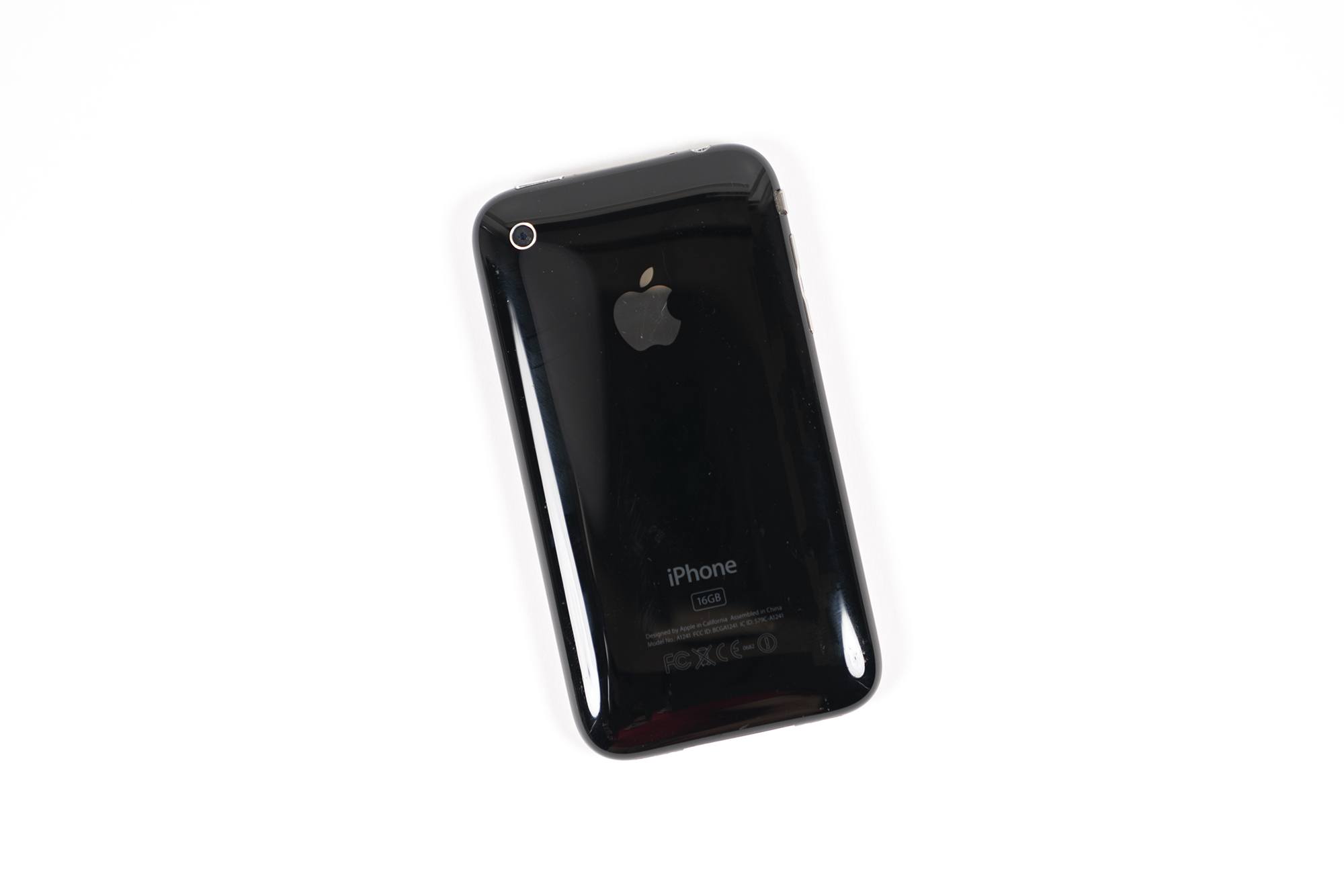
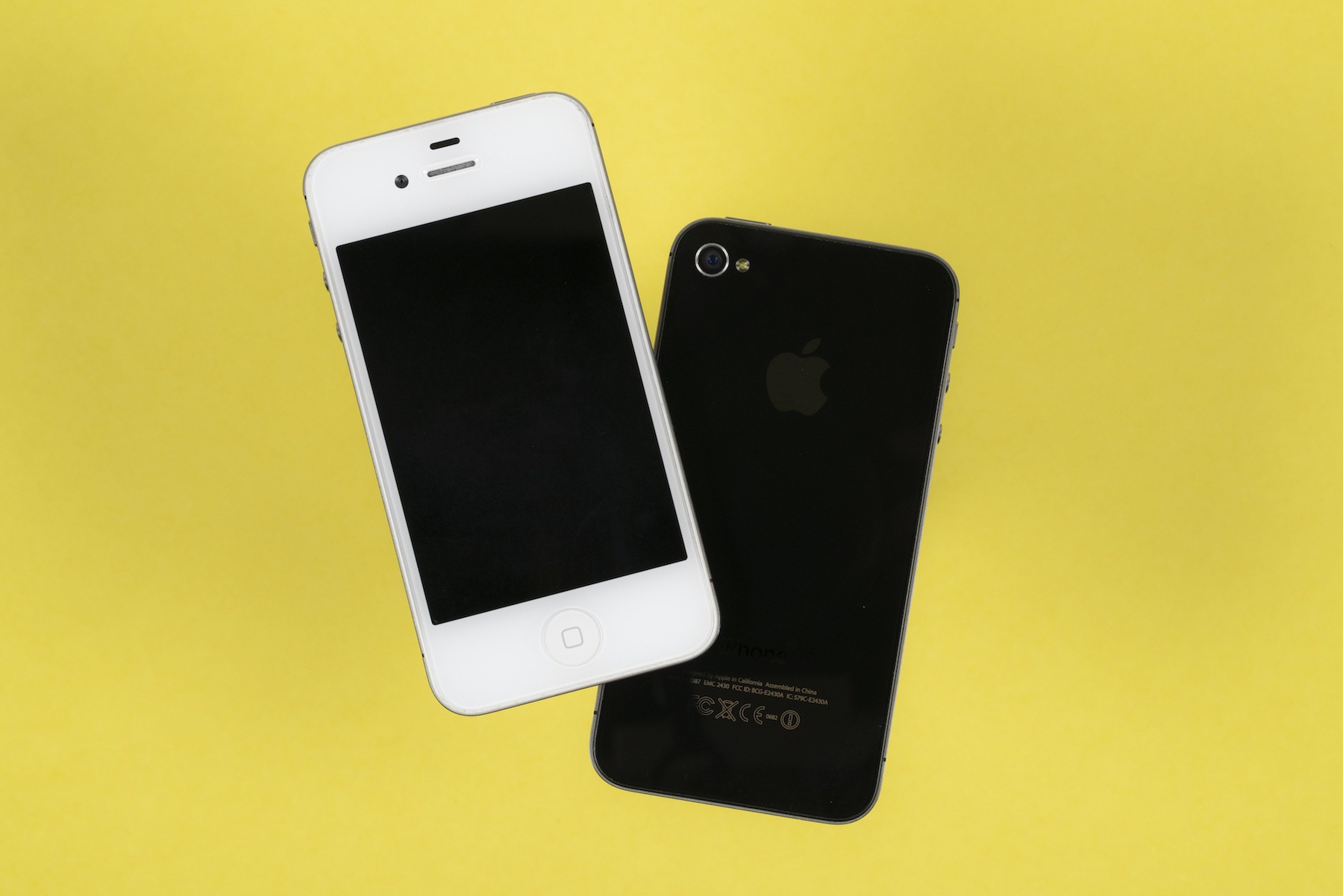
The iPhone 4S

We are used to a fall release schedule when it comes to iPhones, but that hasn’t always been the case. The first four iPhones came out in the summer, usually after being announced at WWDC.

2011’s iPhone 4S changed that for good, and in some ways that phone draws parallels to the new iPhone XS. Both are the second generation of a radical new design, and both boast improved cameras, networking, and battery life. That’s not to mention how Siri is at the heart of the iOS version they both ship with.

Read more


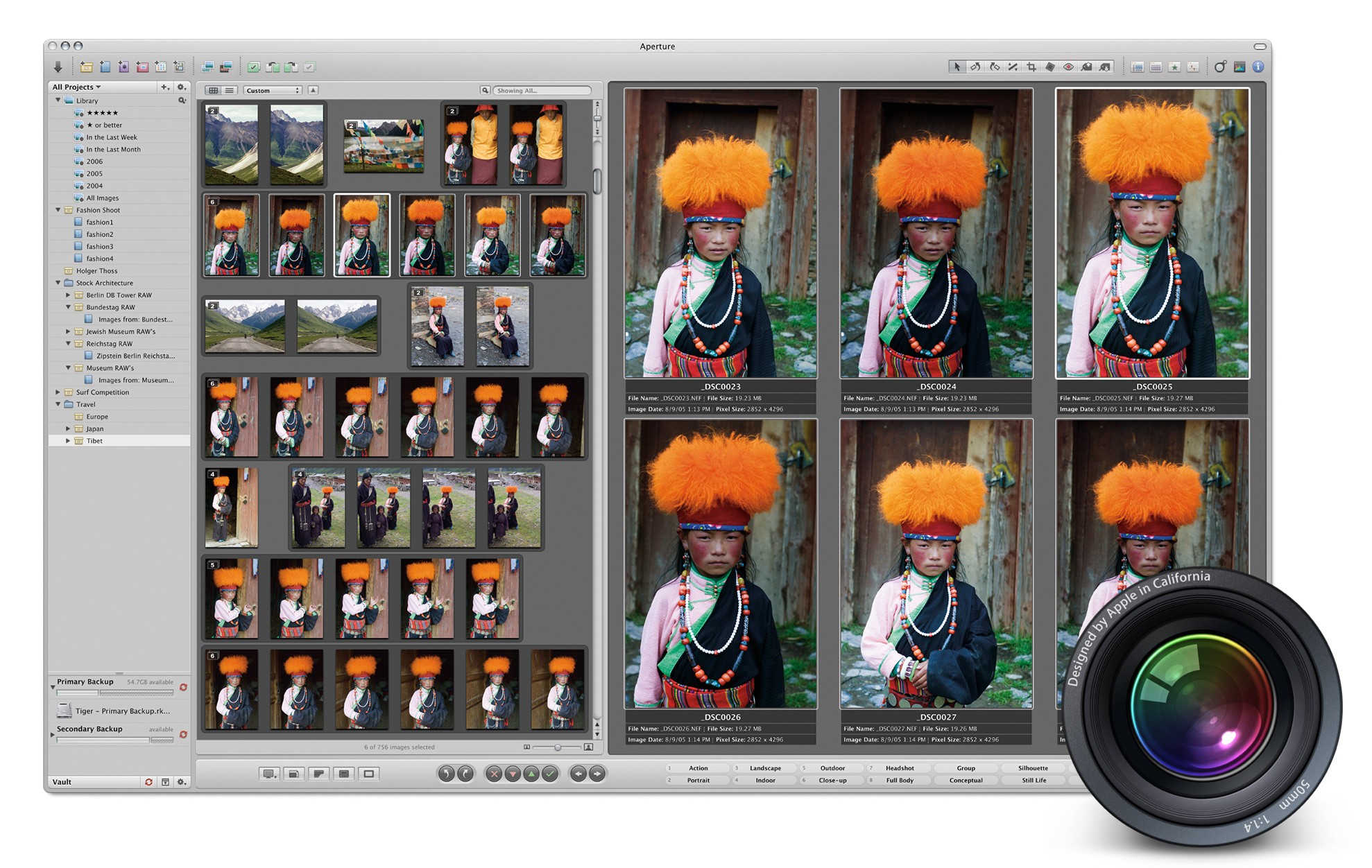
The History of Aperture

For years, iLife defined the Mac experience, or at the very least, its marketing. An iMac or MacBook wasn’t a mere computer; it was a tool for enjoying your music, managing your photos, creating your own songs, editing your home videos, and more.

iLife was brilliant because it was approachable. Programs like iTunes, iPhoto, iMovie, iDVD, and GarageBand were so simple that anyone could just open them from the Dock and get started creating.1

Of course, not everyone’s needs were met by the iLife applications. iMovie users could upgrade to Final Cut, while Logic was there waiting for GarageBand users. And for those needing more than what iPhoto could provide, Apple offered Aperture.

Read more