In This Issue
...

 In This Issue
In This Issue
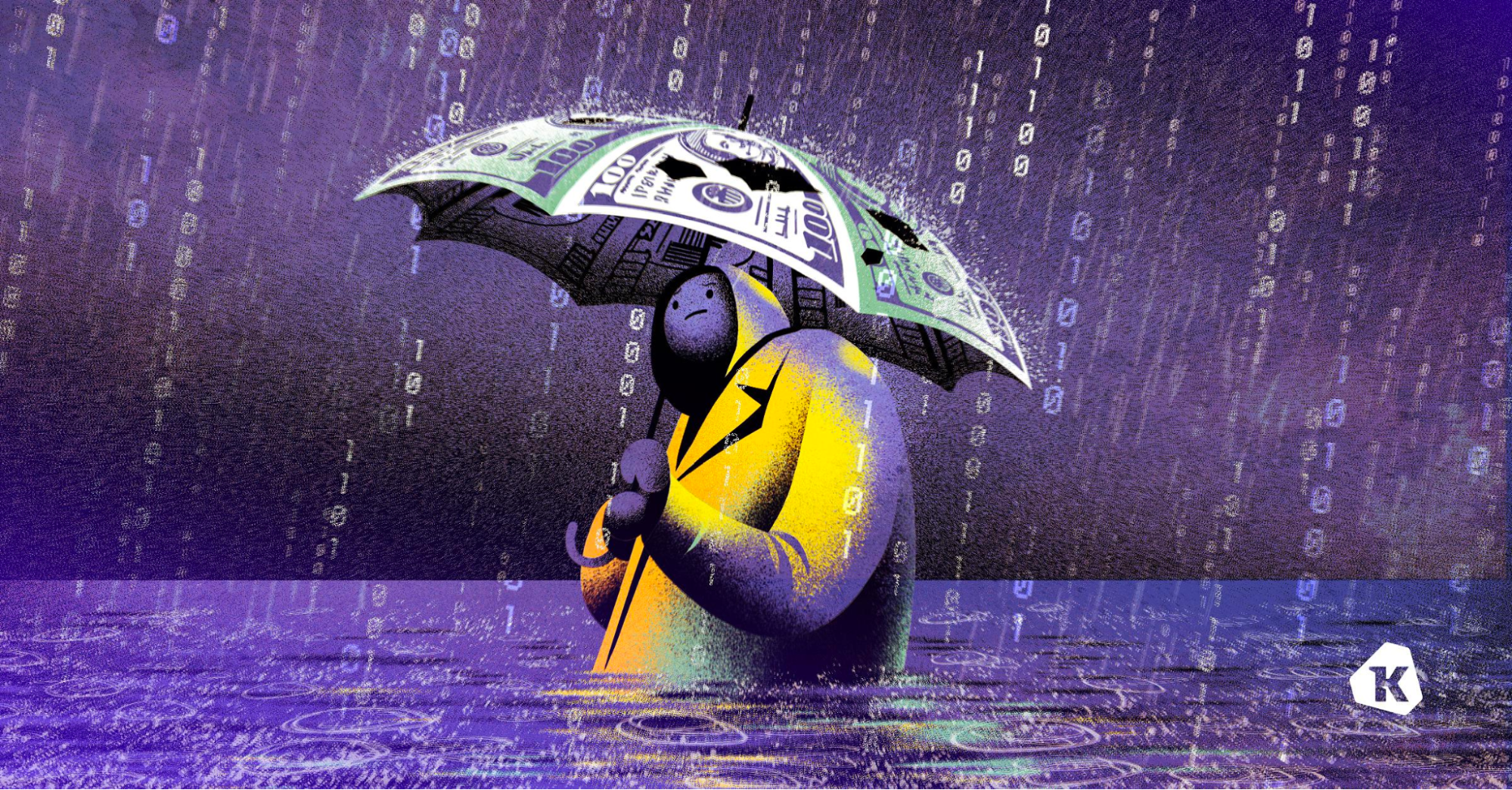
In This Issue When MGM Resorts suffered a $100 million hack in September, CEO Bill Hornbuckle wasn’t too worried about the lost revenue, because cyber insurance would cover the tab. “I can only imagine what next year’s bill will be,” he joked.
Weeks later, on a call with analysts, Hornbuckle complained about the “staggering” rise of insurance costs in the past few years.
This story neatly illustrates the crisis in cyber liability coverage. For years, companies have invested more in security insurance than in actual security. The result has been a tidal wave of data breaches that have driven up the cost of premiums to the point that they are rapidly becoming unaffordable.
Some large enterprises are responding to the increased costs by creating their own “captive carriers,” insurance providers that exist only to serve them. But that’s clearly not an option for small businesses, which are more likely to go without insurance altogether.
According to Andrew Bucci, VP of Sales at Amplified Insurance Partners, “It’s going to come to a point where some people may have to self-insure, which means that they don’t take a cyber policy out and they just cross their fingers they don’t have some sort of breach.” That’s a huge gamble for SMBs, since they could be driven to bankruptcy by a single security incident.
At Kolide, we’ve seen our cyber insurance premiums go up by 40% in just the last two years, and we got curious about:
What we found was that insurance companies themselves can help get us out of this crisis, by mandating some (pretty basic) security requirements for their customers–things like MFA, endpoint security, and retiring end-of-life software.
Read the full blog to learn more about our findings.
Our thanks to Kolide for sponsoring MacStories this week.
In This Issue
Up Next on MacStories Podcasts
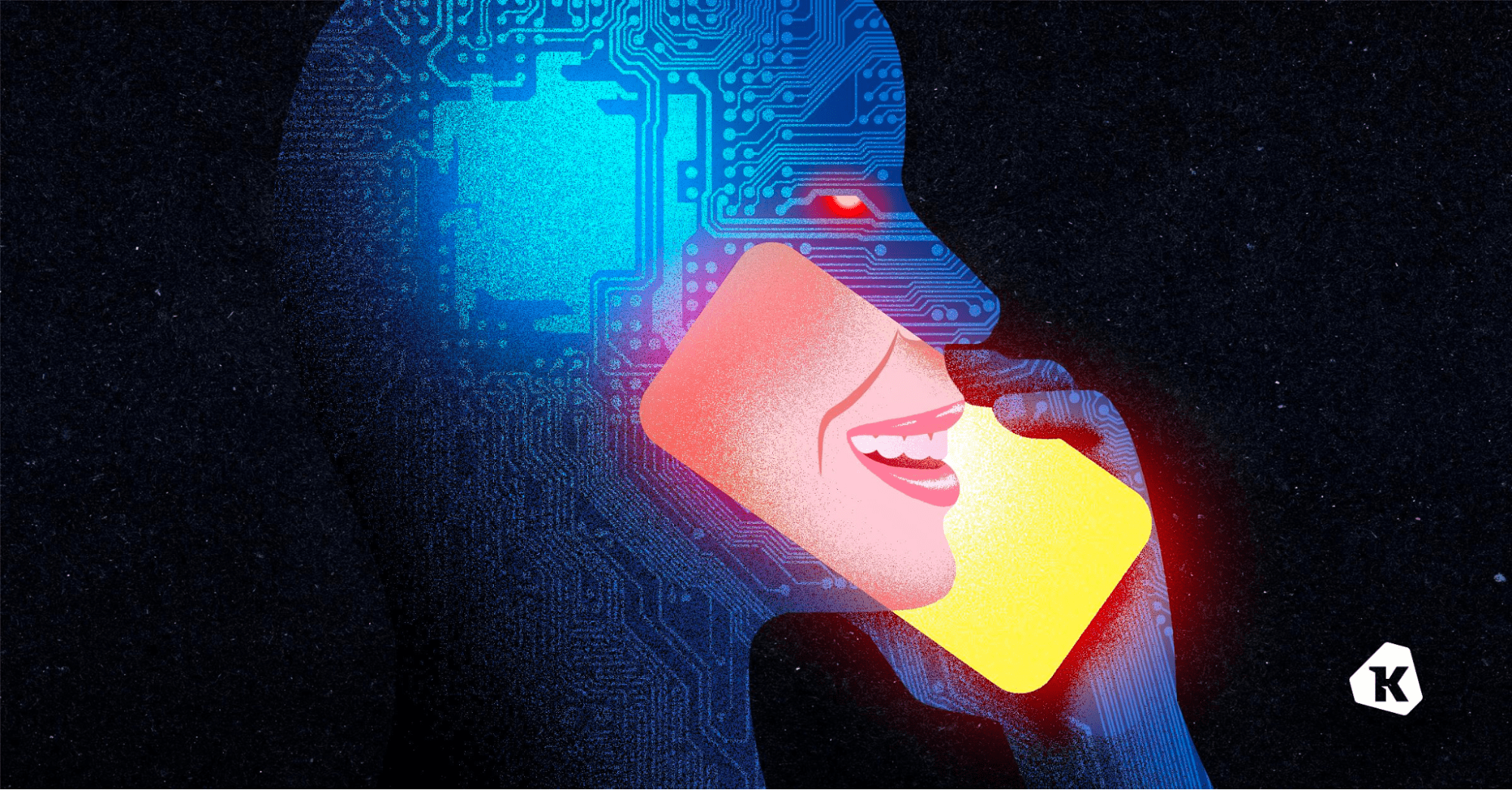
Previously, On MacStories Now, don’t get offended, but – you aren’t as good at clocking deepfakes as you think you are.
And it’s not just you–nobody’s that good at it. Not your mom, or your boss, or anyone in your IT department.
To make matters worse, you probably think you can spot a fake. After all, you see weird AI-generated videos of celebrities on social media and they give you that uncanny valley tingle. But it’s a different ballgame when all you’ve got to go on is a voice.
In real life, people only catch voice clones about 50% of the time. You might as well flip a coin.
And that makes us extremely vulnerable to attacks.
In the “classic” voice clone scam, the caller is after an immediate payout (“Hi it’s me, your boss. Wire a bunch of company money to this account ASAP”). Then there are the more complex social engineering attacks, where a phone call is just the entryway to break into a company’s systems and steal data or plant malware (that’s what happened in the MGM attack, albeit without the use of AI).
As more and more hackers use voice cloning in social engineering attacks, deepfakes are becoming such a hot-button issue that it’s hard to tell the fear-mongering (for instance, it definitely takes more than three seconds of audio to clone a voice) from the actual risk.
To disentangle the true risks from the exaggerations, we need to answer some basic questions:
Like a lot of modern technologies, deepfake attacks actually exploit some deep-seated fears. Fears like, “your boss is mad at you.” These anxieties have been used by social engineers since the dawn of the scam, and voice clones add a shiny new boost to their tactics.
But the good news is that we can be trained to look past those fears and recognize a suspicious phone call–even if the voice sounds just like someone we trust.
If you want to learn more about our findings, read our piece on the Kolide blog. It’s a frank and thorough exploration of what we should be worried about when it comes to audio deepfakes.**
Our thanks to Kolide for sponsoring MacStories this week.
In This Issue
AppStories Scheduling and the Image Inserter for Obsidian Plugin