Ryan Christoffel

991 posts on MacStories since November 2016

Ryan is an editor for MacStories and co-hosts the [Adapt](https://www.relay.fm/adapt) podcast on Relay FM. He most commonly works and plays on his iPad Pro and bears no regrets about moving on from the Mac. He and his wife live in New York City.

Tim Cook Calls for US Privacy Regulations in Time Op-Ed

User privacy is one of the social drums Tim Cook has been consistently beating for years now, and today that’s continuing in an even stronger way with a new op-ed by Apple’s CEO published by Time. Cook writes:

I and others are calling on the U.S. Congress to pass comprehensive federal privacy legislation—a landmark package of reforms that protect and empower the consumer. Last year, before a global body of privacy regulators, I laid out four principles that I believe should guide legislation:

First, the right to have personal data minimized. Companies should challenge themselves to strip identifying information from customer data or avoid collecting it in the first place. Second, the right to knowledge—to know what data is being collected and why. Third, the right to access. Companies should make it easy for you to access, correct and delete your personal data. And fourth, the right to data security, without which trust is impossible.

In addition to outlining these four principles, Cook gets more specific in calling for a particular organization to be formed that counteracts a “shadow economy that’s largely unchecked” whereby people’s data is sold by retailers and other companies without express knowledge or consent. He writes:

Meaningful, comprehensive federal privacy legislation should not only aim to put consumers in control of their data, it should also shine a light on actors trafficking in your data behind the scenes. Some state laws are looking to accomplish just that, but right now there is no federal standard protecting Americans from these practices. That’s why we believe the Federal Trade Commission should establish a data-broker clearinghouse, requiring all data brokers to register, enabling consumers to track the transactions that have bundled and sold their data from place to place, and giving users the power to delete their data on demand, freely, easily and online, once and for all.

Apple has established a consistent practice of standing for user privacy, partly owing to its highly publicized standoff with the FBI in 2016, but it seems that in 2019 the company wants that value to be even more pronounced. First there was the unavoidable banner at CES touting the iPhone’s privacy advantage, and now today’s op-ed. It will be interesting to see if any of the ideas Cook pushes bring about productive discussion on this issue, leading to practical change in US policy.

Permalink

Apple Launches Smart Battery Cases for iPhone XS, XS Max, and XR

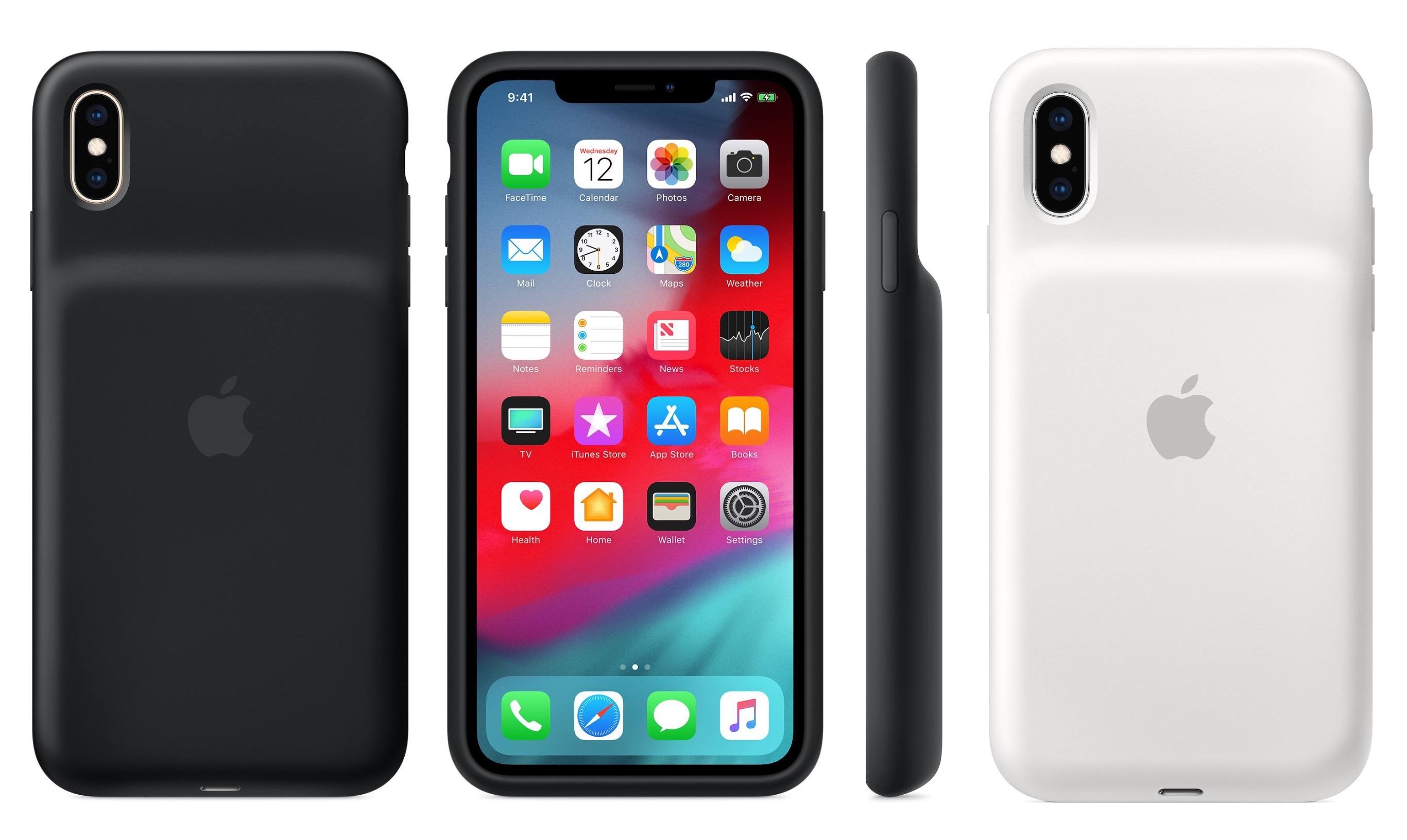
Apple today updated its online store with the addition of three new products: Smart Battery Cases for the iPhone XS, XS Max, and XR. Every version of the case costs $129, regardless of iPhone size. Each new case is available in both Black and White, and the designs resemble that of the previous Apple Smart Battery Cases, with a silicone exterior and a large bulge on the back to accommodate the battery.

The Smart Battery Case is compatible with Qi chargers, so you can still take advantage of wireless charging while using the case. These are the quoted charge estimates for each case:

  • XS: 33 hours talk time, 21 hours Internet use, and 25 hours video playback
  • XS Max: 37 hours talk time, 20 hours Internet use, and 25 hours video playback
  • XR: 39 hours talk time, 22 hours Internet use, and 27 hours video playback

In the past, Apple hasn’t made Smart Battery Cases available for Plus-sized phones, so it’s great to see that now, regardless of your iPhone size, you can get a case that raises battery life to meet the needs of heavy use.


CES Roundup Part 2: Accessories, HomeKit Devices, and More

Earlier this week we rounded up all of the important Apple-related announcements from the first couple days of CES. Some of the highlights were major TV manufacturers adding AirPlay 2 and HomeKit support, the first HomeKit doorbell, and accessories to complement Apple’s latest devices. If you haven’t seen it yet, be sure to check out that first roundup.

As much ground as we covered in that initial piece, the convention has continued on these past few days with plenty more announcements worth noting. Here are more of the top accessories, HomeKit devices, and other interesting products announced at CES.

Read more


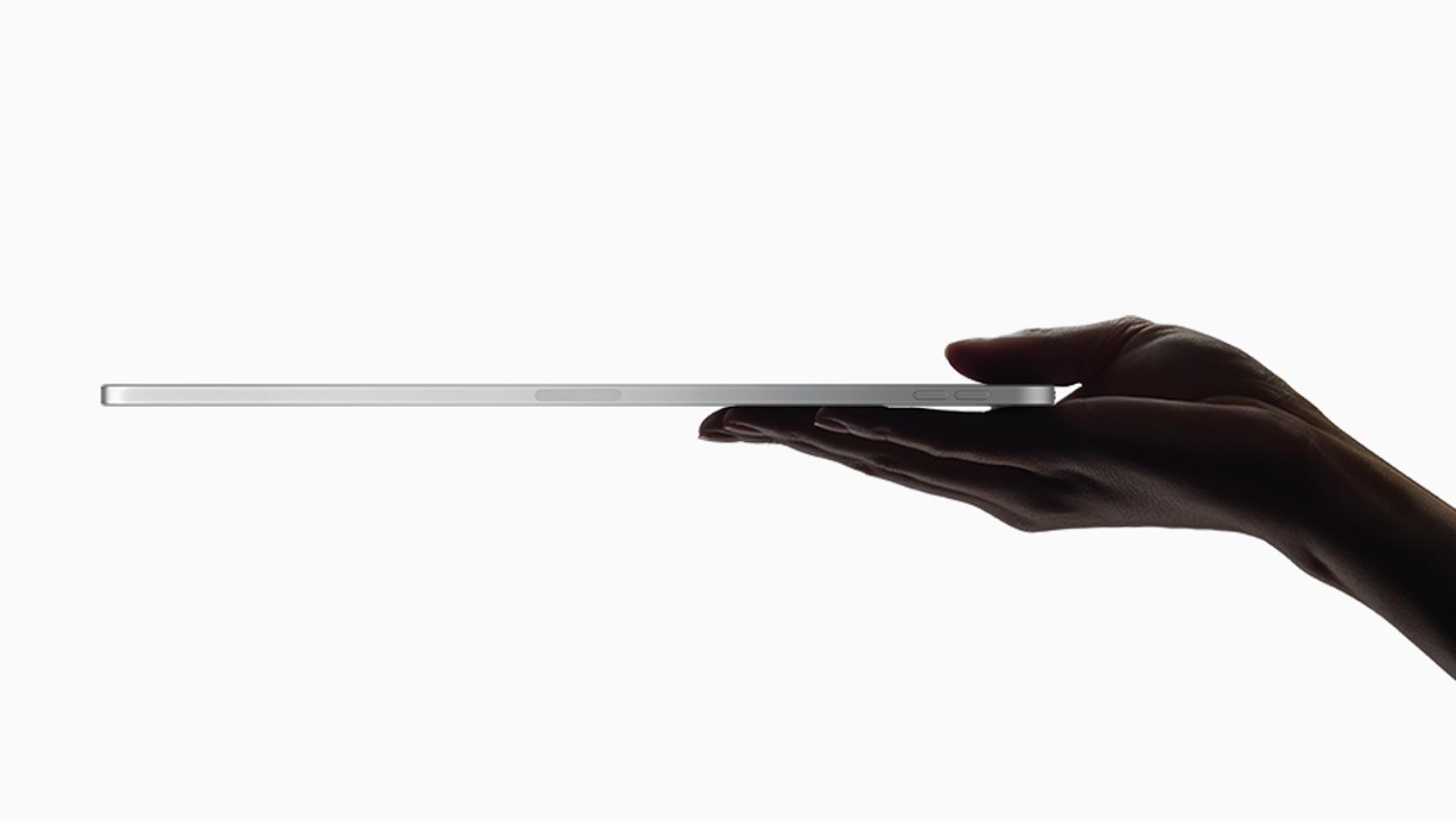
Apple Details iPad Pro Manufacturing Techniques and Flatness Standards

A new product launch wouldn’t be complete without some level of controversy, and for the 2018 iPad Pro models the kerfuffle has centered around bending. Some users have reported their devices being slightly bent out of the box, and Apple even confirmed to The Verge that this is the expected result of its manufacturing process. Today the company is adding to that explanation via a new support document on its website titled ‘iPad Pro unibody enclosure design.’

The document explains how every cellular iPad model undergoes a special manufacturing process called co-molding.

In this high-temperature process, plastic is injected into precisely milled channels in the aluminum enclosure where it bonds to micro-pores in the aluminum surface. After the plastic cools, the entire enclosure is finished with a precision CNC machining operation, yielding a seamless integration of plastic and aluminum into a single, strong enclosure.

Interestingly, this co-molding process isn’t used as an excuse for some iPads’ slight bends, but instead it’s presented as evidence of Apple pursuing even stricter flatness standards than ever before. The following paragraph states:

These precision manufacturing techniques and a rigorous inspection process ensure that these new iPad Pro models meet an even tighter specification for flatness than previous generations. This flatness specification allows for no more than 400 microns of deviation across the length of any side — less than the thickness of four sheets of paper. The new straight edges and the presence of the antenna splits may make subtle deviations in flatness more visible only from certain viewing angles that are imperceptible during normal use. These small variances do not affect the strength of the enclosure or the function of the product and will not change over time through normal use.

In other words, the latest iPad Pros are actually held to a stricter standard for flatness than previous iPads, but even the smallest variations may now be more visible than on previous models due to the new straight edges of the device.

The support document closes with reminders about existing Apple policies: that all products purchased from Apple include a 14-day return policy, and hardware defects outside Apple’s stated specifications are covered by a standard one-year warranty.

The iPad Pro’s bending controversy has reached nowhere near the level of attention as that of the iPhone 6 Plus a few years back, but it’s nice to finally receive official word from Apple on the subject. If your iPad is bent enough that it’s obvious and noticeable in daily use, there’s a decent chance the bend exceeds 400 microns, and thus would be covered under warranty. With slighter bends, however, it seems those are a cost we have to pay for enjoying the iPad Pro’s boxy, straight-edged new design.


Apple Announces Record App Store Sales During Holidays

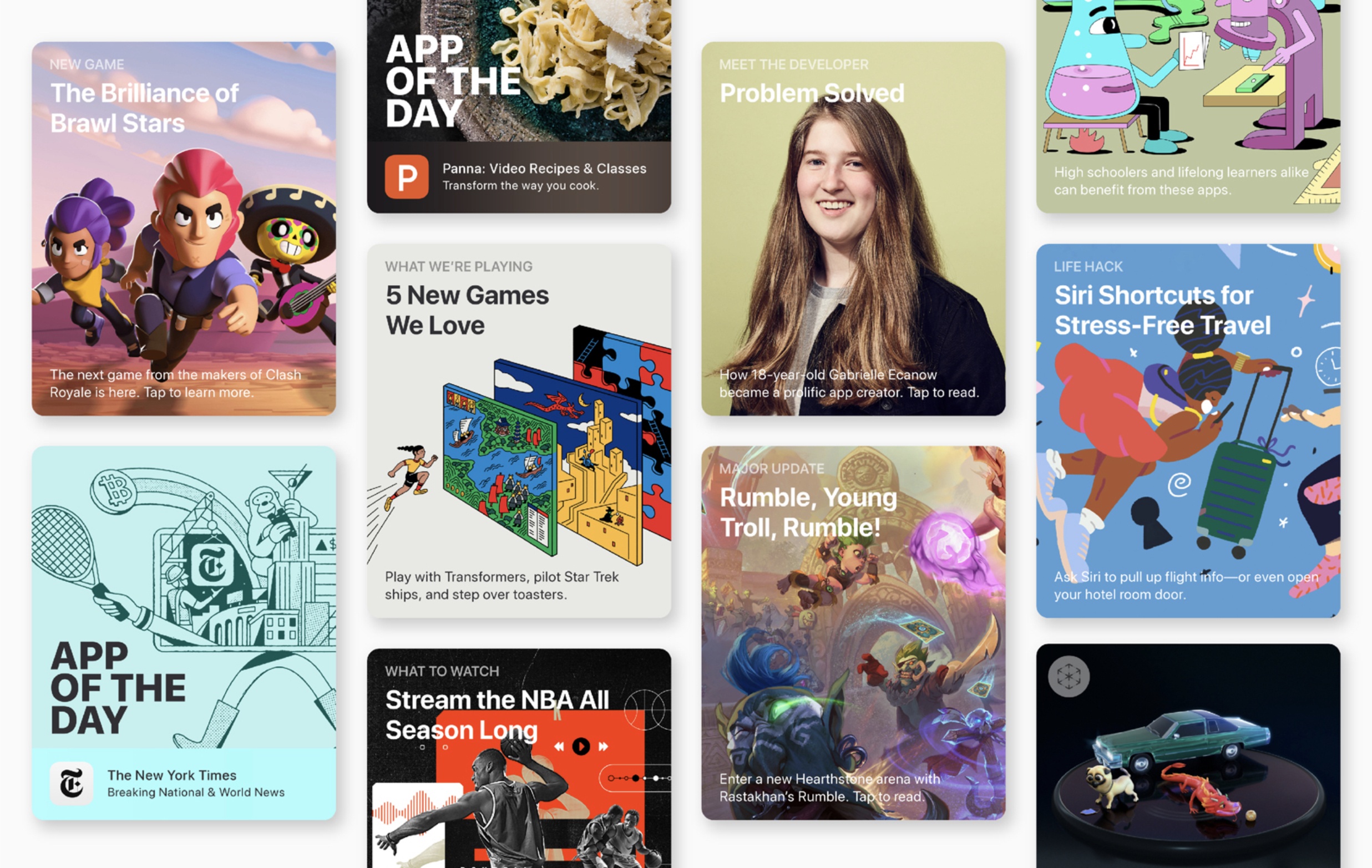
Hot on the heels of yesterday’s announcement regarding disappointing holiday iPhone sales, today Apple has better news to share: the App Store enjoyed a record breaking sales period recently, with over $1.22 billion in App Store spending taking place between Christmas Eve and New Year’s Eve. This marks the biggest sales week ever for the App Store, and it was followed by the biggest single day ever: New Year’s Day 2019 brought $322 million in sales, up from last year’s then-record $300 million.

Apple’s press release provides more color on some apps and categories that were particularly successful:

Gaming and self-care were the most popular categories of app downloads and subscriptions during the holidays. Globally, multiplayer games including Fortnite and PUBG were among the top downloaded games over the holidays, along with Brawl Stars, Asphalt 9 and Monster Strike. Productivity, Health & Fitness and Education apps are already capturing the attention of customers in the first few days of the year with 1Password, Sweat and Luminosity charting in their respective categories.

$1.22 billion is a major increase from last year’s $890 million figure, and a remarkable number for one of Apple’s most profitable services. As Apple continues beating the drum that services are of growing importance to the company, news like this helps prove that claim’s validity.