


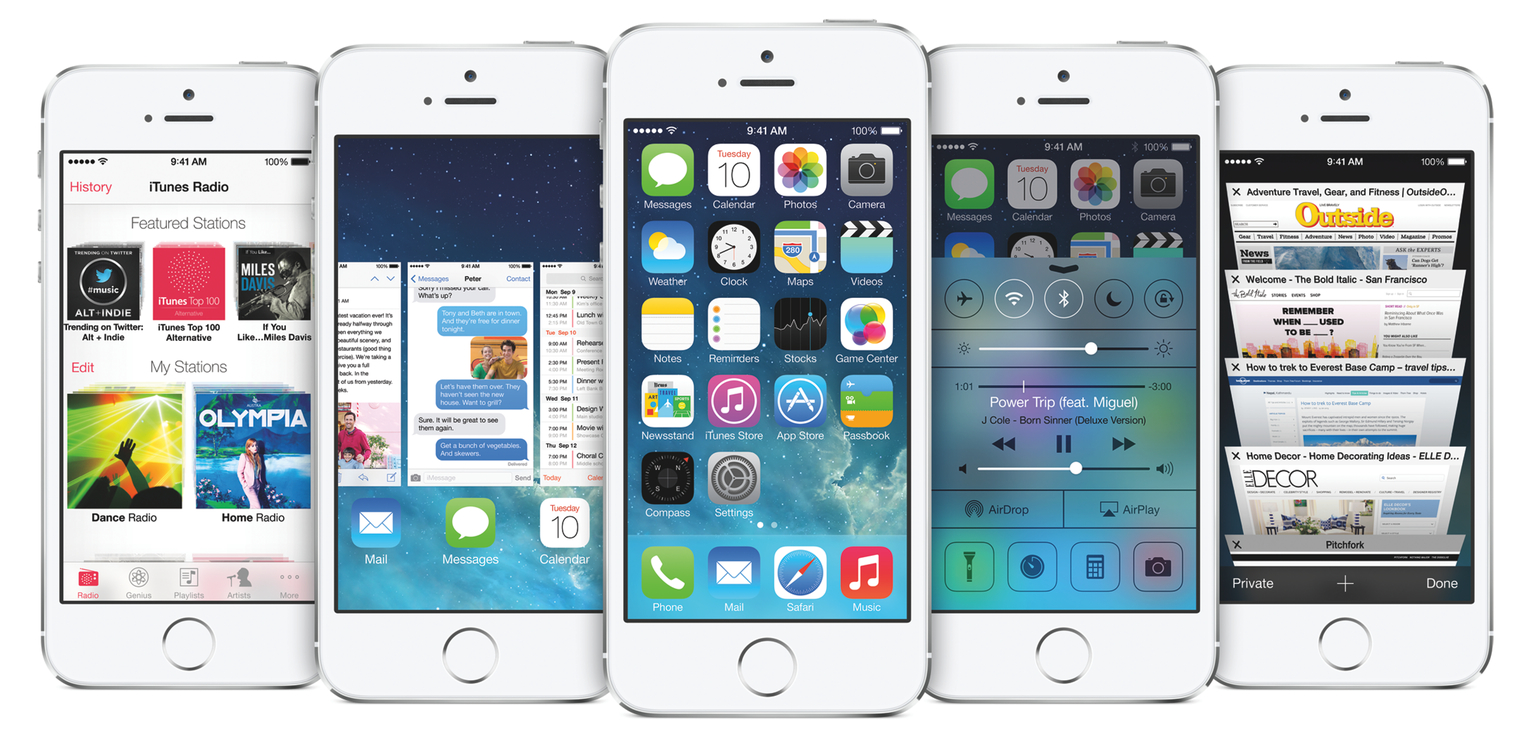
With iOS 7, Apple profoundly altered the foundations of their mobile operating system’s design and functionality, and I want to believe that iOS 8, likely due later this year, will allow them to keep building towards new heights of user enjoyment, design refinement, and exploration of features suitable for the post-PC era. The transition to iOS 7 hasn’t been perfectly smooth, but, less than two months away from WWDC, there’s clear, promising potential on the horizon: plenty of new iOS low-hanging fruit.
Welcome To MacStories 4.0

Welcome to MacStories 4.0. What you see today is a brand new look for this website, a fresh start for us, and, more importantly, a better reading experience for you, our readers.
1Password 4.5 Brings iOS 7 Redesign, Better 1Browser, Support For Multiple Vaults
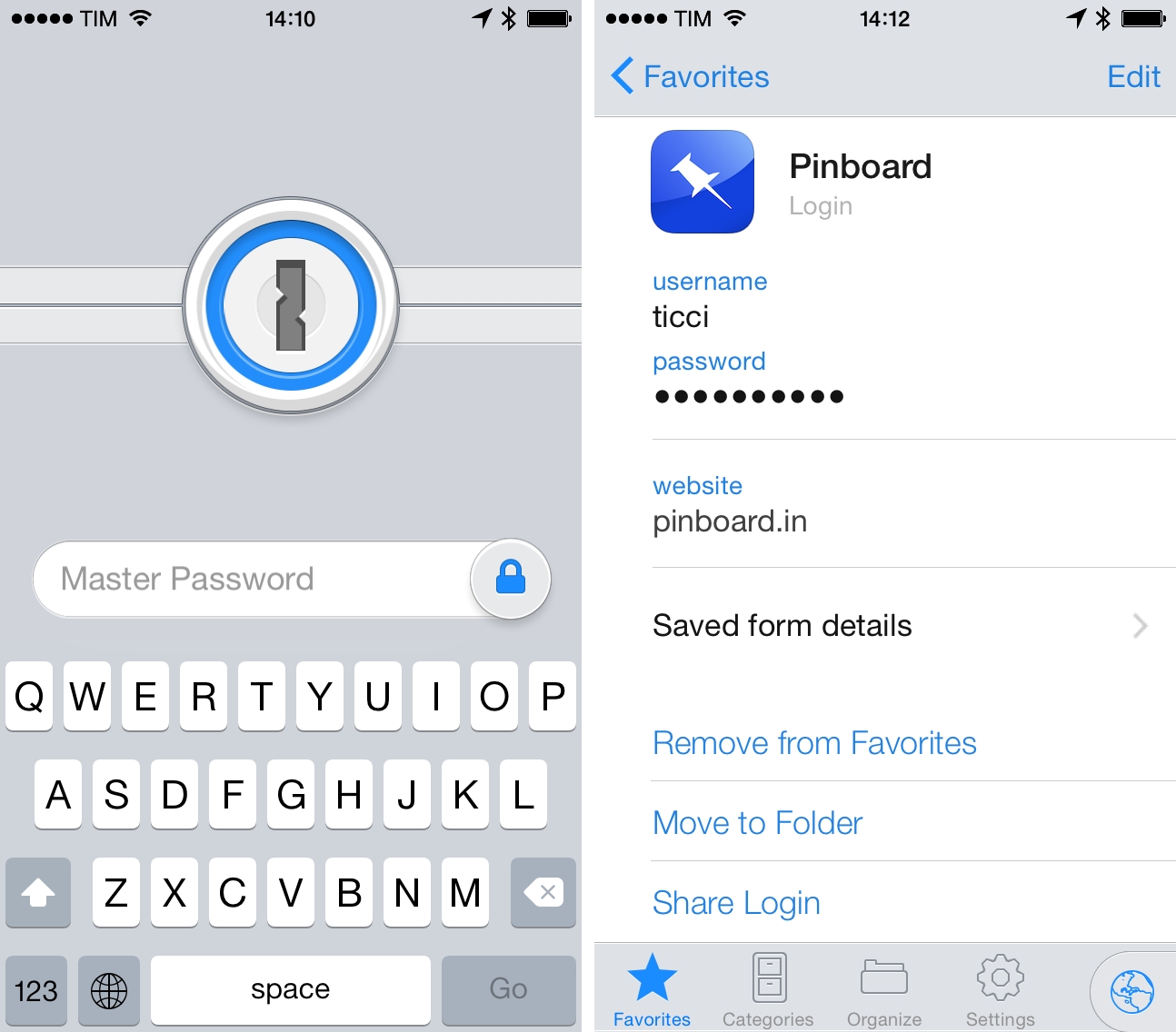
1Password 4 for iOS, first released in December 2012, was a major update to AgileBits’ popular password manager that introduced a new design, a powerful built-in browser to manage logins inside the app, and a variety of other features that were later ported to and expanded on OS X with 1Password 4 for Mac. 1Password 4.5, available today on the App Store, brings a complete redesign for iOS 7 and several other changes and feature additions that make 1Password officially optimized for the modern OS, further narrowing the gap between the mobile and desktop versions.
Unread 1.2 Adds Image Viewer, New Gestures, And More
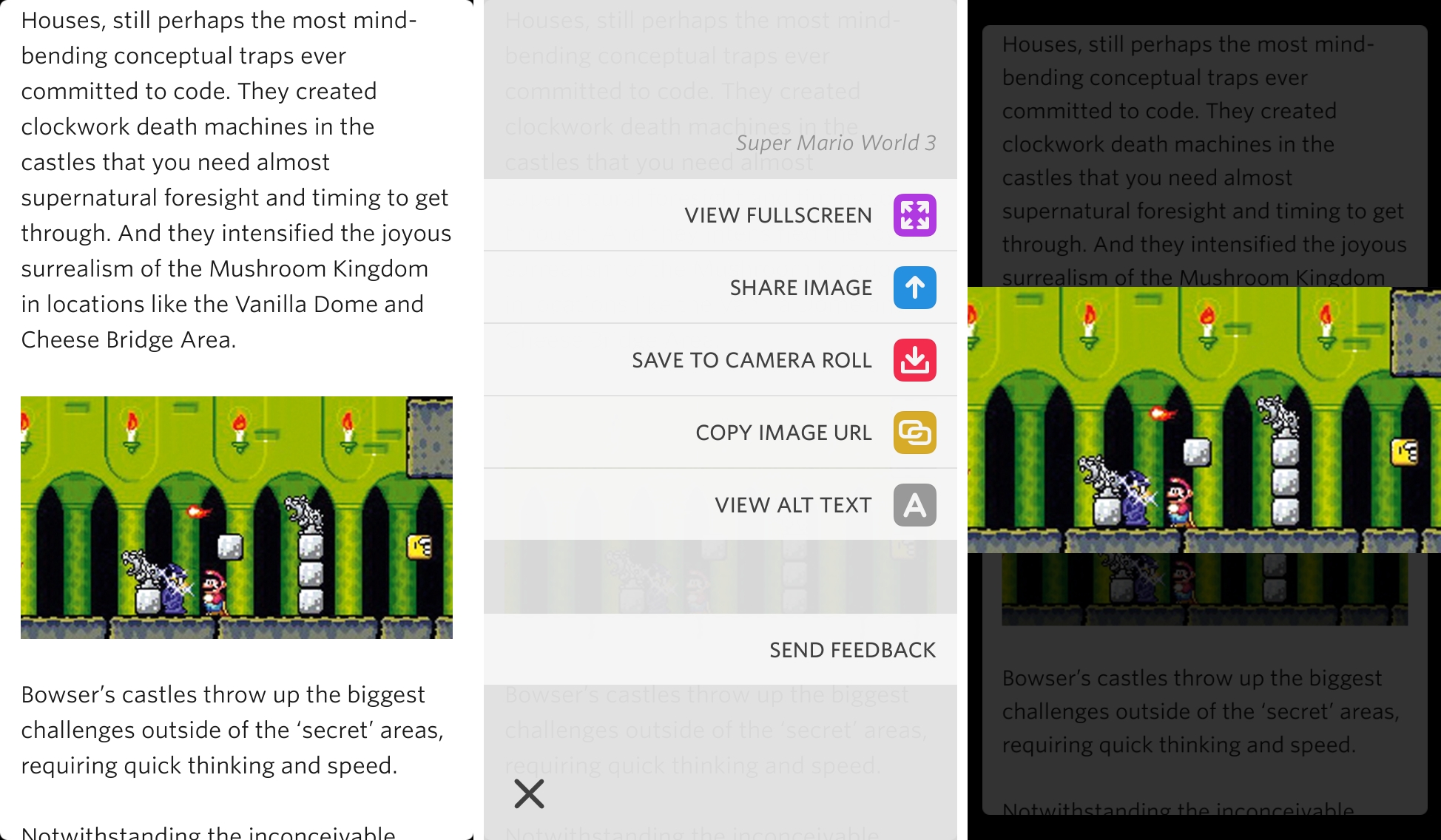
Originally released in February, Jared Sinclair’s Unread is an elegant and polished RSS reader for iPhone that made me switch from Reeder. As I concluded in my review:
For me, Unread provides a better reading, syncing, and sharing experience than Reeder. While it lacks some of the features that Reeder gained over the years, Unread’s debut shows an app with focus, flexibility, attention to iOS 7, and the capability of scaling from dozens of unread items to several hundreds articles. Some people will complain about the lack of a compact mode to disable article previews in the main list; combined with thumbnails, I realized that this feature helps me pay more attention to articles in my RSS feeds.
Available today on the App Store, Unread 1.2 adds a variety of fixes, design tweaks, and new features that make the app more powerful and faster to navigate without compromising its vision and the choices Sinclair made for version 1.0.
Towards A Better App Store→
David Smith:
For the last month I have been doing a series of episodes on Developing Perspective trying to unpack practical, actionable improvements that could be made to the App Store. I didn’t want to just whine about its shortcomings, I wanted to think of realistic ways to improve it.
There are some great suggestions in David’s article, and I agree with many of them.
Sloppy Swiping→
Josh Ginter on apps that implement sloppy swiping through loose gestures that can be activated anywhere on the screen:
Stretching your thumbs to the topmost corner or having to swipe from off screen to go back is not natural in any way. Mobile phone users often find themselves in situations where the precision of pressing a specific button is both inefficient and aggravating. Swiping from off the screen can also be aggravating, especially when using the iPhone with your right hand when on the move. I actually find inaccuracies with swiping from off the screen to be more annoying than having to button-mash to go back a menu.
I’m a fan of the system-wide Back gesture introduced with iOS 7, but I prefer apps (like Unread and Facebook Paper) that don’t force you to swipe exactly from the edge of the screen. I find that kind of gesture implementation comfortable, friendly, and natural.
Directional: Espresso Game Recap→
This week Federico and Myke catch up on a bunch of follow up and listener mail, before discussing some upcoming games that have caught their interest over the last few weeks, like Tomodachi Life, Mario Kart 8, Below and Severed.
A fun episode of Directional in which we catch up on some recent game announcements; don’t miss the links in the show notes, and especially the Tomodachi Life video. Get the episode here.
The Prompt: The Problem And The Solution→
This week, Stephen, Federico and Myke re-visit Carousel, Greg Christie’s departure from Apple and CarPlay. Then, Federico buys a shirt on the air and leads a discussion about boredom with apps, tinkering with setups and feature creep in apps and services.
This week on The Prompt, we discuss a topic that I’ve been thinking about for a long time: can software become boring? Why do we always want “more” and “new” from apps? How can developers balance the tension between simplicity and feature additions? To be continued, for sure.
Get the episode here.
Dropbox Acquires Loom
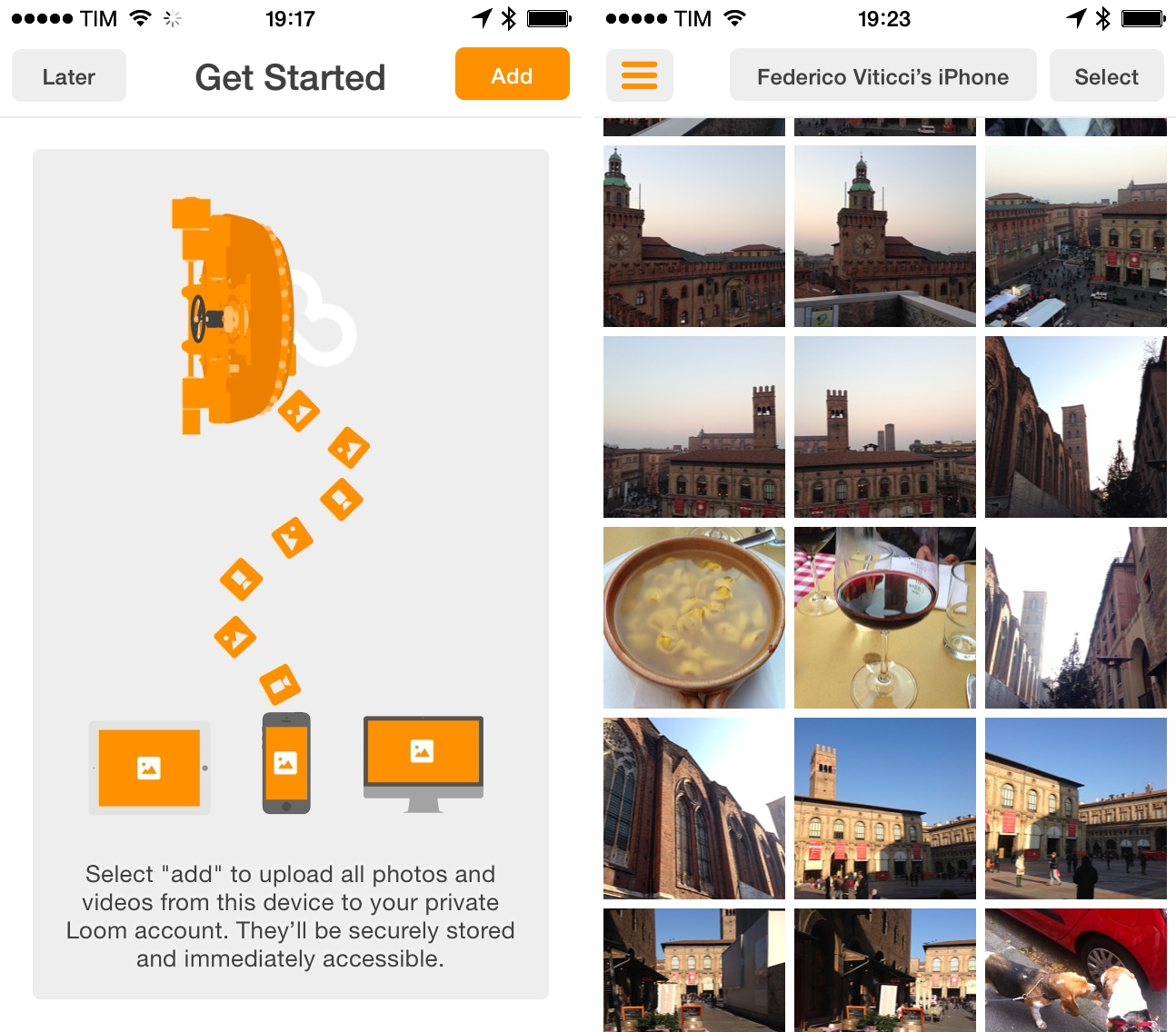
With a notice posted on their website today, Loom, a photo storage and management service originally launched in July 2013, announced that they’ve been acquired by Dropbox and will be joining the company.
Often regarded as “what Apple’s Photo Stream” should have been, Loom was designed to keep one library of photos in sync across devices, with support for albums, full-res versions of the original files, and more. Built to let users delete media from their local devices, Loom featured support for both photos and videos, with automatic upload functionalities in a native iOS app and a desktop uploader for OS X.
From Loom’s original description:
We needed something that works seamlessly. A personal media library that is the same wherever you go, and there when you need it. Something effortlessly expandable, that can grow with your library, so you never run out of space. Easy to organize and manage, giving you complete control.
That is why we built Loom. We’re making it quick and easy for you to access and manage your entire photo and video library on every device, without taking up local storage space.
On April 9, Dropbox officially introduced Carousel, an iPhone and Android app aimed at replacing a device’s local Camera Roll with Dropbox photo storage. Carousel displays photos with a vertical grid of thumbnails reminiscent of Loom, and, like Loom, it supports both photos and videos stored in the cloud; unlike Loom, Carousel doesn’t have iPad or web clients for now, as it’s limited to an iPhone app with basic web sharing features. Loom allowed users to manage uploads on their computers with a desktop uploader, an option that is already available in the official Dropbox app for OS X with automatic Camera Uploads.
From Loom’s announcement:
We know this is a big deal. This decision was made with great care. We have worked hard on our product and feel that our vision aligns perfectly with Dropbox’s vision for Carousel. Dropbox has invested the past seven years focusing on building a secure home for your files. And now with Carousel comes a home for your photos and videos as well. We share the common goal of crafting a high quality product, always putting users’ needs first. After spending some serious time investigating if this was the right move for us, we realized that Dropbox has solved many problems around scaling infrastructure and at Dropbox the Loom team will be able to focus entirely on building great features with a fantastic user experience. We are enthusiastic about being able to contribute our ground level perspective to help craft a beautiful experience for our users. And at the end of the day, that’s what matters most to us.
Loom allowed users to set up a free trial with 5 GB of storage and the possibility to extend free space to 10 GB through referrals; the service had both monthly and yearly plans starting at $4.99 and $49.99 respectively for 50 GB of storage.
For existing Loom users, Dropbox has built a migration tool that will transfer photos from Loom to Dropbox; Loom storage will be converted to Dropbox storage for free users, while Loom Pro customers will keep the same storage on Dropbox for free, for a year. Existing Loom users will be able to continue using the service until May 16, 2014; users will also be able to request an archive of their libraries with original photos and videos in a .zip archive.
Loom marks the second acquisition by Dropbox in the past month – in late March, the company acquired social reading app Readmill for an undisclosed sum.