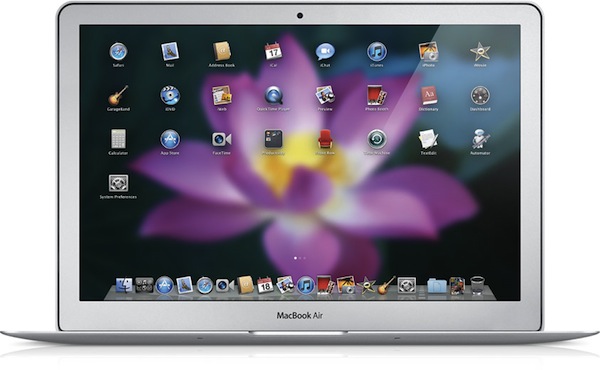
There was a time when tweaking OS X was a mostly unknown practice not so many users were willing to dedicate their time to. Modding the basic functionalities and look of the Mac required you to delve deep into forums, tutorials, Terminal hacks, resource packages, manual installations, broken mods on each software update. Modders always had a hard time trying to figure out how to best hack the Mac to make it perform and look the way they wanted.
Cydia for iPhone changed that. The whole jailbreak community changed the approach to modding and hacking on Apple devices. By providing a unified experience that’s similar to the App Store model, but for tweaks, Cydia offers anyone the possibility to create something and release it publicly or privately for free. The “something” mentioned above is mostly made of tweaks, apps, themes and app mods Apple would never accept in its App Store. But that’s fine: Cydia was meant to provide a place for the stuff that couldn’t find its way past the app review team’s gates. A place that, together with the freedom of installations, also grants automatic updates, easy discovery and detailed information about what you’re going to put on your devices.
As you may know, Cydia had such a great run so far that its creator Jay Freeman, a.k.a. Saurik, developed a native version for jailbroken iPads and announced the acquisition of former competitor RockApp. With the help of members of the Dev Team, they updated Cydia in the past weeks to feel even better on the iPad, and eliminate some annoyances such as a laborious queue functionality. From several standpoints, Cydia is even more intuitive than Apple’s own Store. Read more