John is MacStories' Managing Editor, has been writing about Apple and apps since joining the team in 2015, and today, runs the site alongside Federico.
John also co-hosts four MacStories podcasts: AppStories, which covers the world of apps, MacStories Unwind, which explores the fun differences between American and Italian culture and recommends media to listeners, Ruminate, a show about the weird web and unusual snacks, and NPC: Next Portable Console, a show about the games we take with us.
Netgear’s Orbi WiFi router is an excellent choice that is available in the UK and Europe. The Orbi system even has an outdoor model that we named a MacStories Selects winner last...
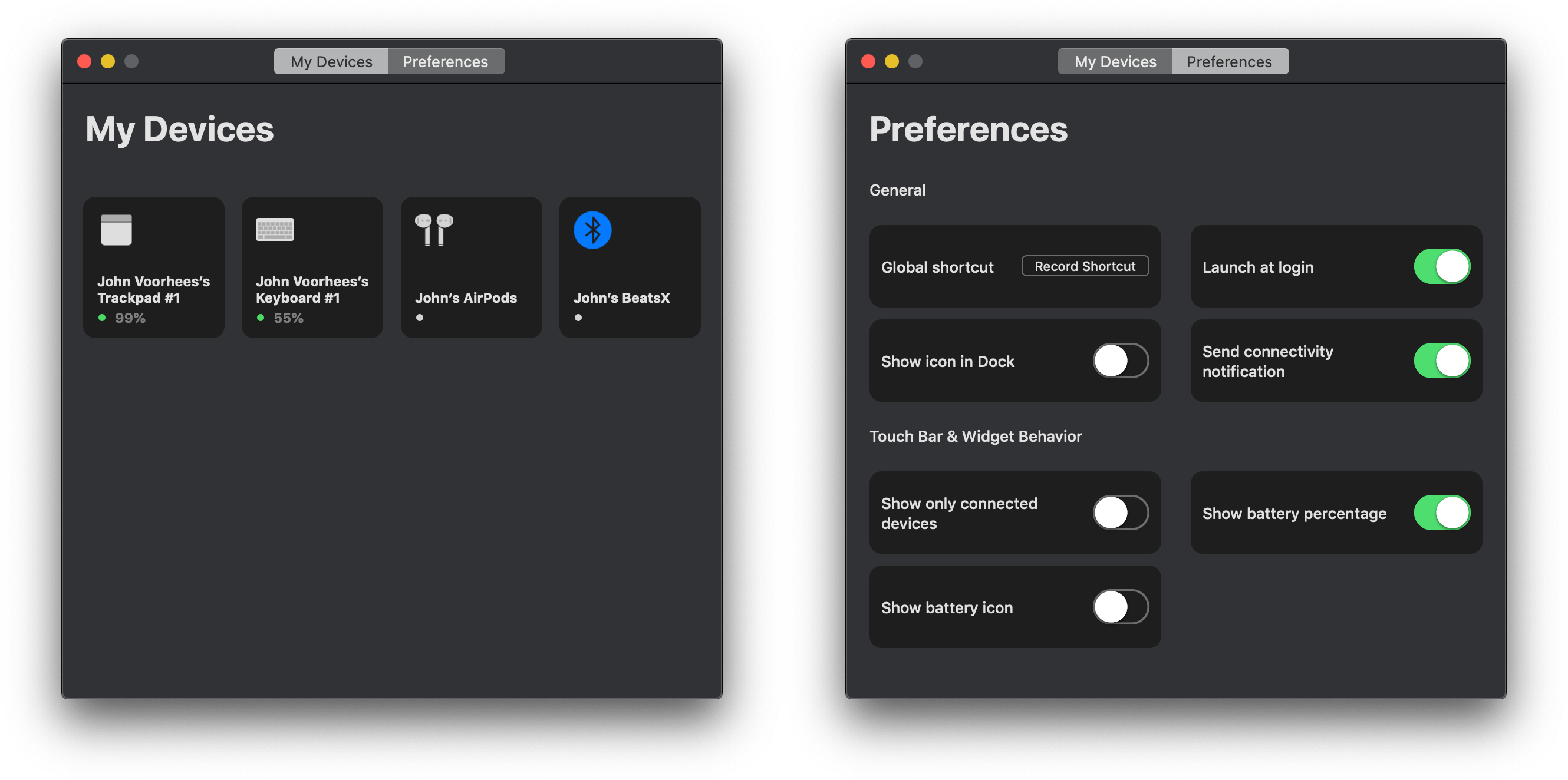
Juice is a Bluetooth device manager for the Mac styled to look like Apple’s Home app. I didn’t expect to like the utility much because I don’t like the Home app’s design. It turns out though that for an app like Juice, Home’s mostly monochrome tile UI works and the app does an excellent job consolidating useful bits of Bluetooth functionality that are scattered throughout macOS.
Procreate Procreate this week received an improvement that lots of devoted illustrators have long wished for: the addition of text. Users can employ any of the standard iOS fonts in Procreate, or the three fonts that are unique to the app, as well as any custom-installed fonts. Text can be warped and transformed to...
With Earth Day just around the corner, Apple has issued a press release announcing the expansion of its existing iPhone recycling program, an Apple Watch fitness challenge and more.
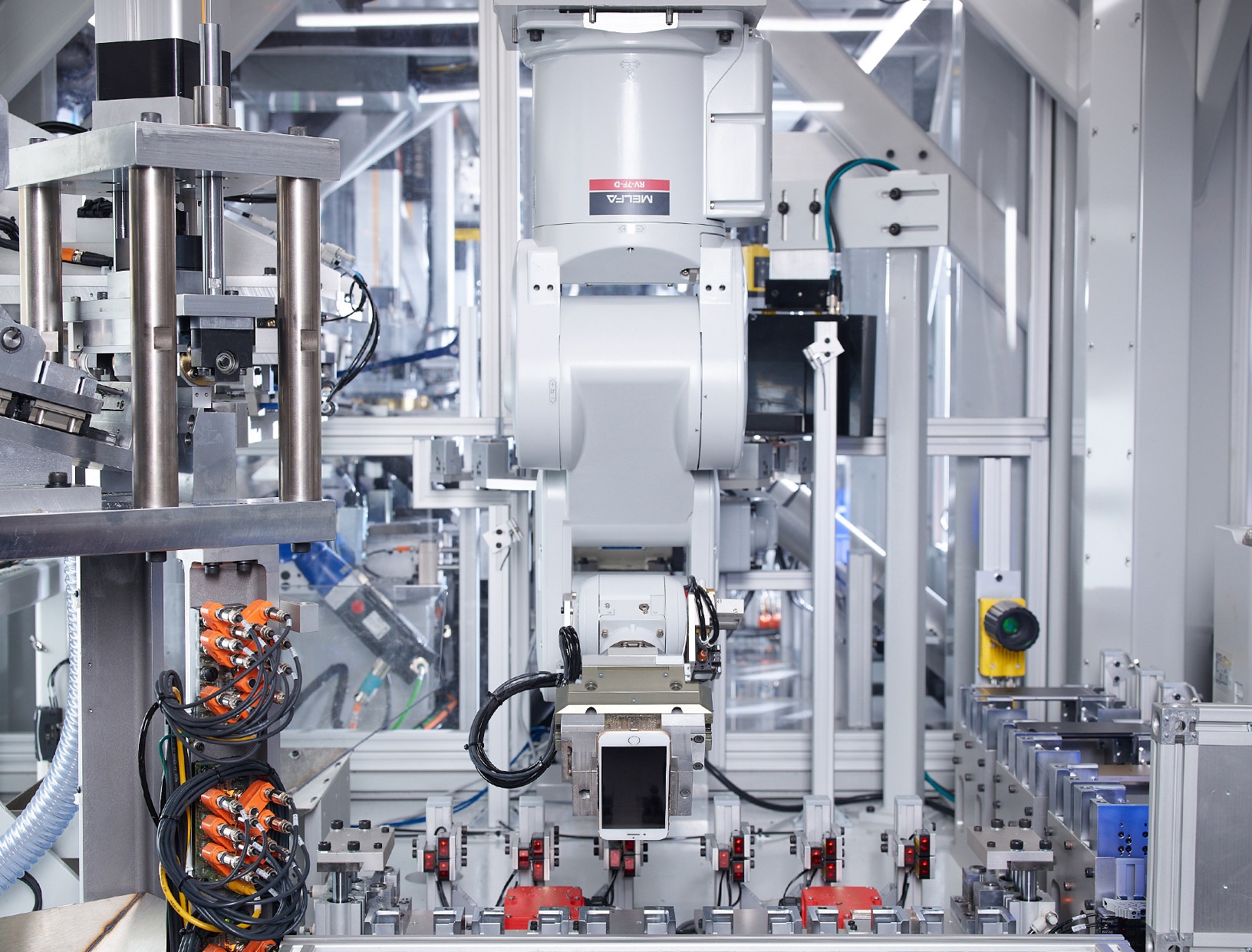
Last year for Earth Day, Apple took the wraps off of Daisy, a recycling robot that replaced Liam, an iPhone disassembly robot first introduced to the world in 2016. Daisy can take apart 15 different models of iPhones for a total of 1.2 million devices every year. The recycling process allows Apple to recover materials like cobalt from batteries, tin from logic boards, and aluminum, which is being remelted into cases for Mac minis and now, MacBook Airs.
This year Apple has announced that it is expanding its recycling program to include iPhone returned to Best Buy stores in the US and KPN stores in the Netherlands. Previously, iPhones could only be returned to an Apple Store as part of the company’s Trade In program. Apple says this will quadruple the number of locations where customers can return iPhones in the US. The company also announced the opening of a 9,000 square foot Material Recovery Lab in Austin, Texas.
Lisa Jackson, Apple’s vice president of Environment, Policy and Social Initiatives said:
“Advanced recycling must become an important part of the electronics supply chain, and Apple is pioneering a new path to help push our industry forward. “We work hard to design products that our customers can rely on for a long time. When it comes time to recycle them, we hope that the convenience and benefit of our programs will encourage everyone to bring in their old devices.”
Additional information is about Apple’s environmental efforts are available in its 2019 Environment report.
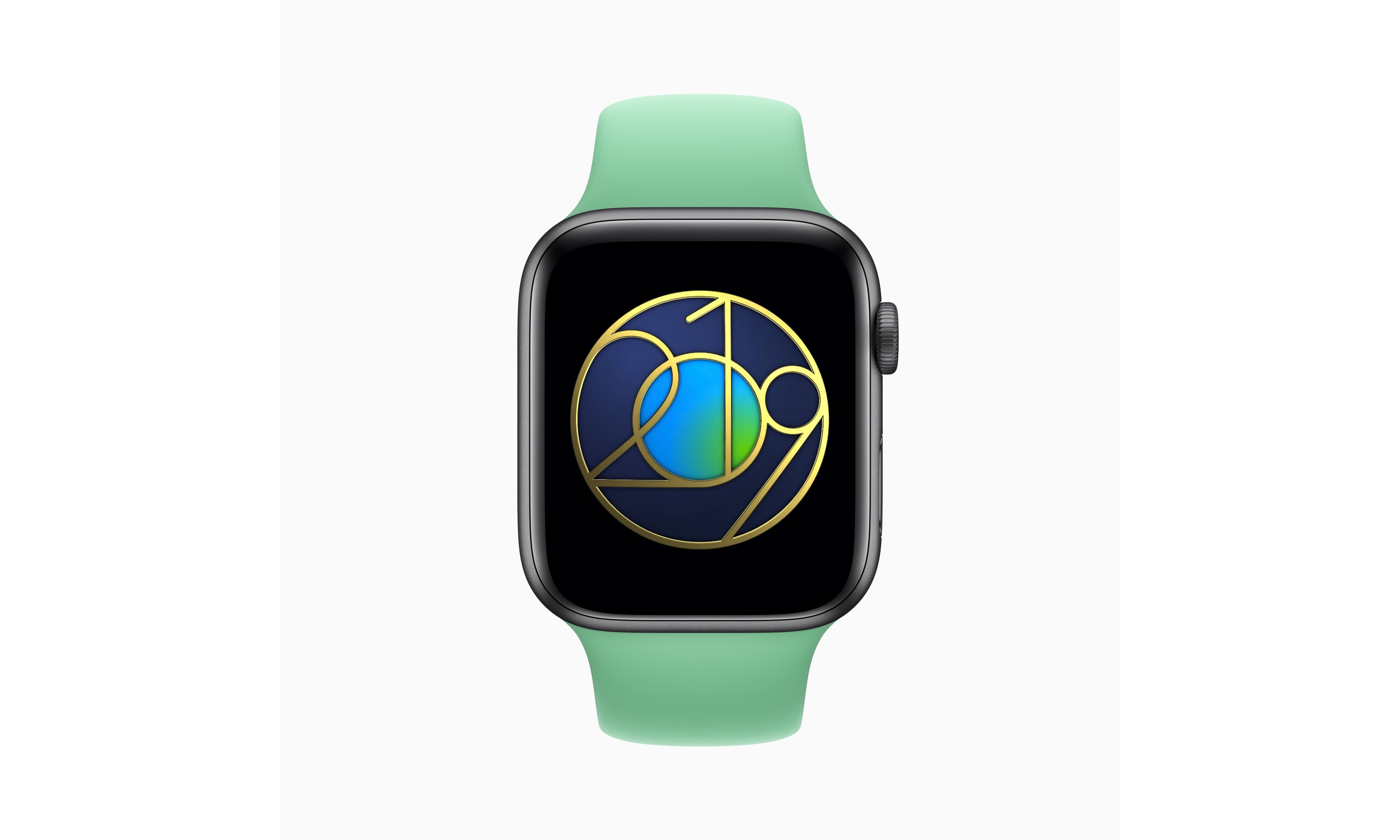
Finally, Apple is celebrating Earth Day, which is next Monday, April 22nd, with an Apple Watch Earth Day Challenge. Apple Watch users who complete a 30-minute outdoor workout on April 22nd will receive a special Earth Day award and stickers for Messages. The company will also be conducting special Earth Day-themed Today at Apple sessions in its retail stores.
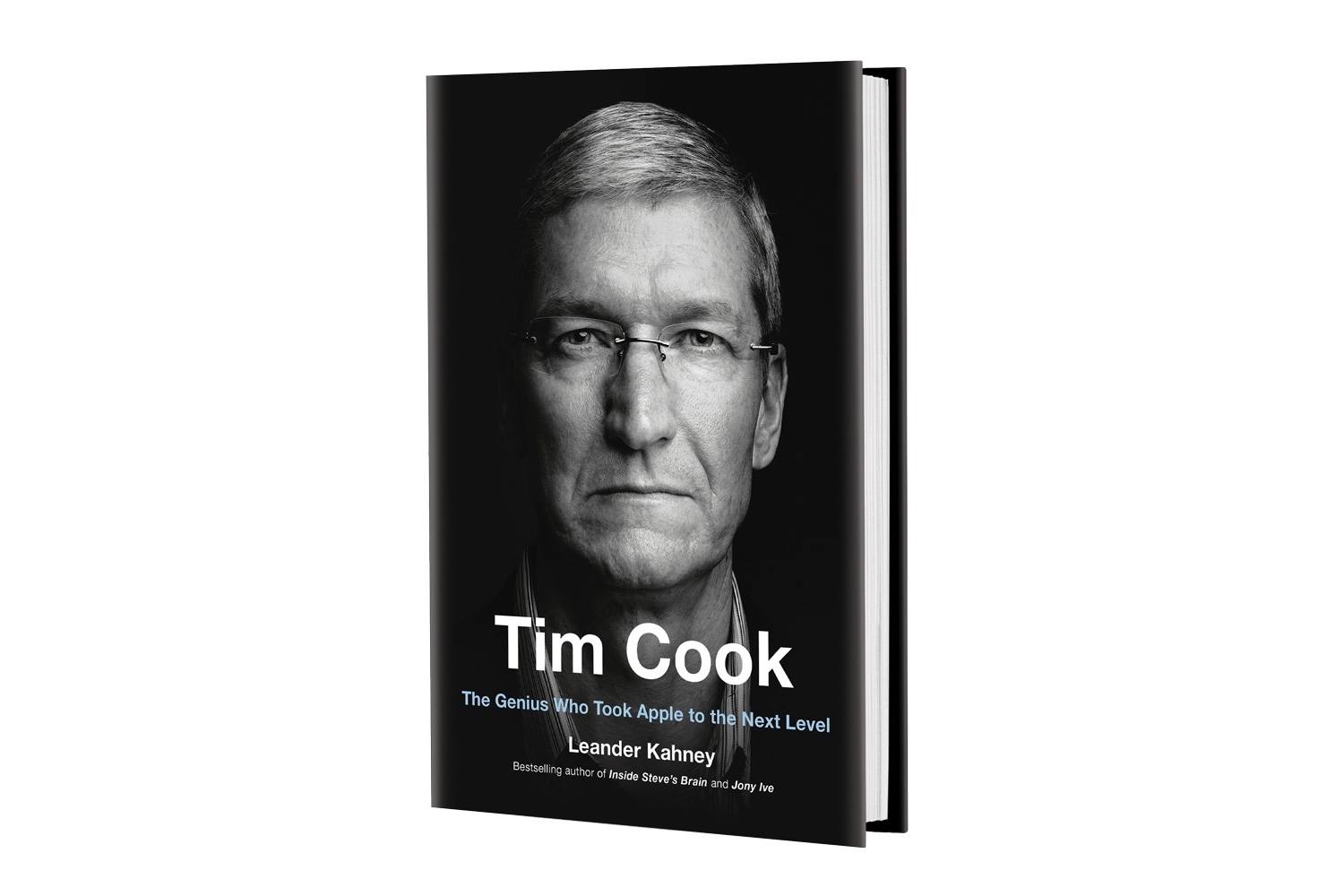
I just finished Leander Kahney’s book about Tim Cook, which does an excellent job chronicling Apple’s environmental programs over the years, and it’s interesting to see the steady march of progress as Apple recovers more and more of the materials used to build iPhones. The addition of retailers like Best Buy to the recycling program is just as significant a step forward though because it makes those programs more accessible for the first time to iPhone owners who don’t have an Apple Store near their homes.
Ten years is a long time on the Internet. So many companies have come and gone in that time, making it worth considering what it is about MacStories that has endured.
Having worked with Federico for roughly a third of that time, I can’t claim to be objective, but before I joined the team, I was a long-time reader of MacStories and a developer who pitched an app to Federico. That’s given me a perspective on MacStories that goes beyond my current role, so it will probably surprise no one that I have a few thoughts on the matter.
Every fall, Federico and I put our heads together to come up with new and exciting perks for Club MacStories members to mark the Club’s anniversary. In 2017 we were less than six months into AppStories, and although we love talking about apps every week, we were frustrated that the show’s topic and length precluded us from covering a lot of what goes on at MacStories. I suggested doing a free-form, casual show as an exclusive Club members-only version of AppStories. Federico agreed and in the middle of a chaotic September, we recorded the first episode of AppStories Unplugged.
We decided to dispense with the episode length guidelines that constrain AppStories and expand coverage to include a behind-the-scenes look at what goes on at MacStories. Because listeners already knew Federico and me as a pair from AppStories, we stuck with that as part of the show’s name. We added ‘Unplugged’ because we’re big fans of acoustic music and MTV’s Unplugged series, and it felt right for a more casual, less structured version of AppStories.
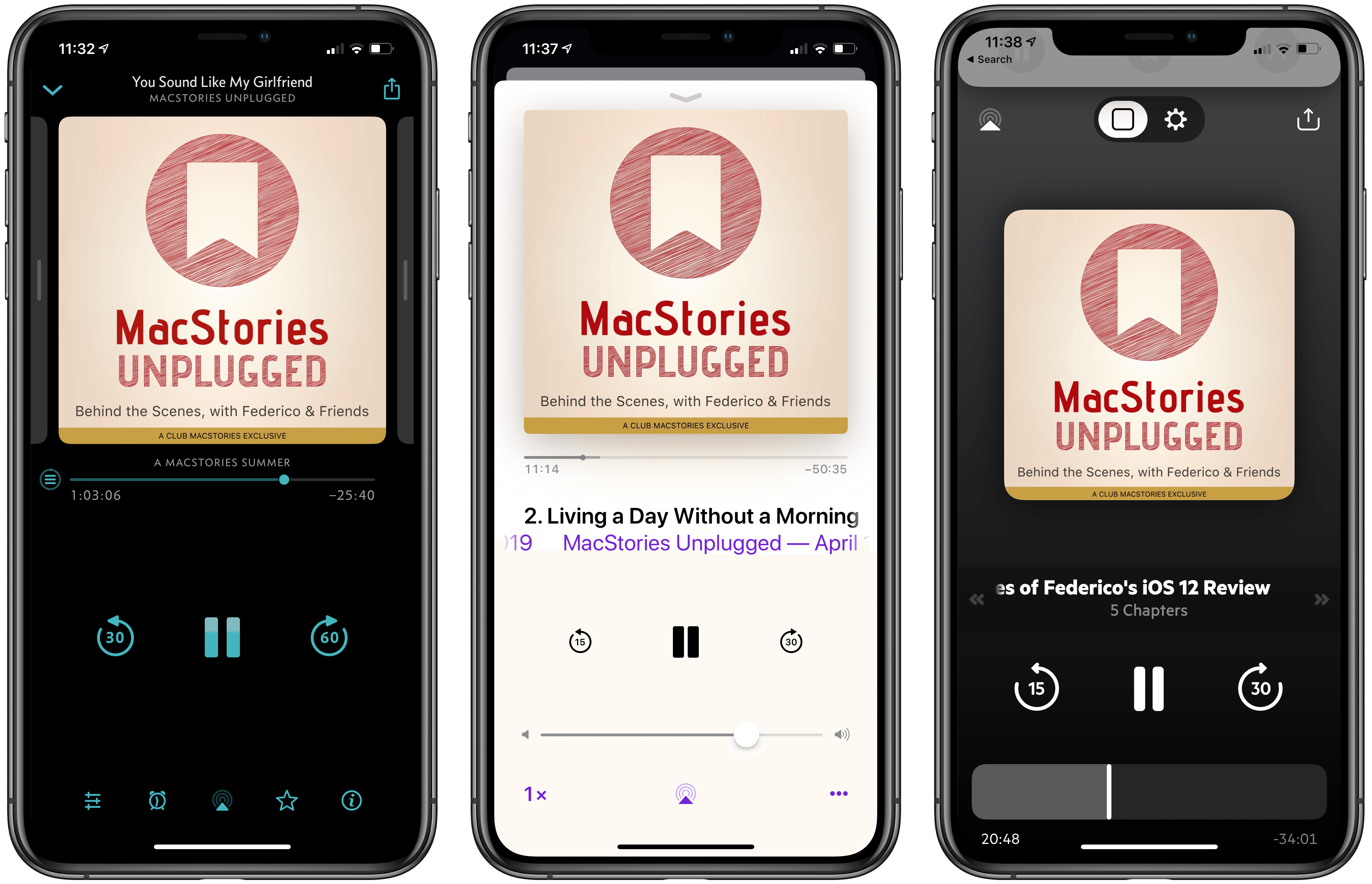
To date, we’ve done four episodes of AppStories Unplugged for Club members, and they’re some of my favorite episodes Federico and I have recorded because they’re so much like the conversations (and arguments) we have when we get together. As we talked about the future of Unplugged earlier this year, both Federico and I felt it was time to expand the show and do more for Club members. So, for the 10th anniversary of MacStories, we’ve decided to relaunch AppStories Unplugged as MacStories Unplugged. The idea behind the show is the same, with a few exciting additions – a remix, to stretch the music metaphor further than I probably should.
The first difference is reflected in the new name. MacStories Unplugged will draw on the entire MacStories team. You probably won’t hear all of us on every episode, but with so many interesting and talented people at MacStories, we want Club members to have the chance to get to know everyone.
We’ve also decided to make MacStories Unplugged a monthly show. At the time Federico and I launched AppStories Unplugged, neither of us was interested in adding another commitment to our schedules, but that has changed with the entire team involved in the show and other adjustments we’ve made.
Finally, we’ve rebranded Unplugged with all-new artwork by MacStories’ own Silvia Gatta who has done an amazing job. Silvia’s rough-sketch version of the MacStories logo and typography is the perfect complement to the style of the show.
What hasn’t changed is that MacStories Unplugged remains a Club MacStories exclusive. You won’t find it in iTunes or any other podcast directory. Members will receive details about how to access Unplugged in this week’s issue of MacStories Weekly, the newsletter we send them every Friday.
If you haven’t considered joining the Club before, now is a great time to take a look. Each year, the MacStories team delivers roughly 60 weekly and monthly newsletters to members that are packed with app coverage, editorial content, shortcuts, tips, interviews, and a whole lot more. Members also enjoy perks throughout the year like app discounts, giveaways, a complimentary ebook version of Federico’s iOS review, and a lot more.
We have another big Club announcement coming later this week and more planned throughout 2019, so check out the details and please consider joining. We’d love to have you.
Leander Kahney, who has previously published books about Steve Jobs and Jony Ive, takes on the ascent of Apple’s current CEO in a new book titled Tim Cook: The Genius Who Took Apple to the Next Level. When Steve Jobs passed away in 2011, many people doubted that Tim Cook, an operations expert, was up to the job of CEO. As Kahney summarizes in his book’s introduction titled ‘Killing It,’ the numbers have proven the doubters wrong. By exploring Cook’s early influences and how they have affected his leadership of Apple, Kahney sheds light on the values and other qualities that have led to Cook’s success. The result is an interesting look at Cook’s background growing up in Alabama and his career before joining Apple, about which little has been previously written, but the book’s recounting of Cook’s Apple years may be less informative to close observers of the company.










 Federico
 Ryan
Ryan