John Voorhees

5429 posts on MacStories since November 2015

John is MacStories' Managing Editor, has been writing about Apple and apps since joining the team in 2015, and today, runs the site alongside Federico. John also co-hosts four MacStories podcasts: AppStories, which covers the world of apps, MacStories Unwind, which explores the fun differences between American and Italian culture and recommends media to listeners, Ruminate, a show about the weird web and unusual snacks, and NPC: Next Portable Console, a show about the games we take with us.

Q&A

Question: Now that the new iPads are out, what form factor (10.5” or 12.9”) would you consider “ideal”? (Robert Hicks)

Despite my hope that the 10.5” model would hit the perfect sweet spot between portability and screen real estate, after having used it for a day, I now believe it’s better suited as a...


Album

Lemonchiko This small set of fifteen lemon characters that recreate popular emoji smilies are perfect for summertime. Donuts It’s been a while since I saw a great new donut sticker pack, but this one – set in an office with donuts giving presentations, talking on mobile phones, and drinking coffee – is excellent. Supercats...


Member Requests

Question: I have an elaborate process for listening to audiobooks. Borrow audiobook from local library system (via web browser) Download via OverDrive app for macOS to desktop Combine the multiple audio files into one using Join Together for macOS Convert the resulting file in iTunes from AAC to MP3 Save the MP3 file in my...


Notability

Notability is one of the earliest and most feature-rich note-taking apps on iOS. The app is Universal so you can use it on an iPhone or iPad, but it has a macOS version too, which is handy for working across both platforms. However, I’m going to focus on the iPad version because a large-screen...


Apple Hires Sony Executives to Lead Video Programming Efforts

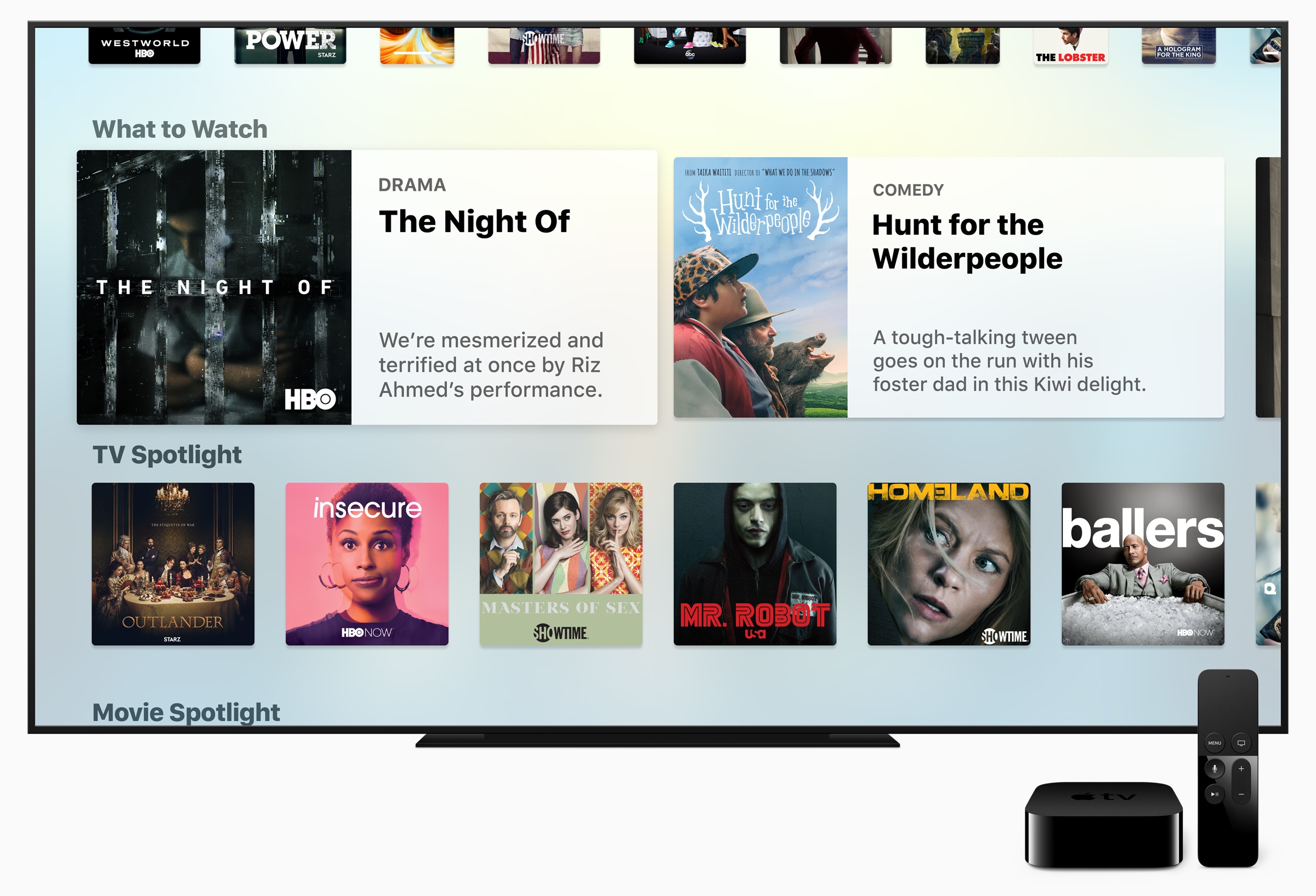
Apple has announced that Jamie Erlicht and Zack Van Amburg are joining the company to lead the company’s worldwide video programming efforts as part of Eddie Cue’s team:

“Jamie and Zack are two of the most talented TV executives in the world and have been instrumental in making this the golden age of television,” said Eddy Cue, Apple’s senior vice president of Internet Software and Services. “We have exciting plans in store for customers and can’t wait for them to bring their expertise to Apple — there is much more to come.”

Erlicht and Van Amburg were responsible for hits such as Breaking Bad, Better Call Saul, The Crown, Rescue Me, and more while at Sony Pictures Television. Apple has been ramping up its video production efforts for quite some time now and if there was any remaining doubt that the company is serious about getting into original content creation, the hiring of Erlicht and Van Amberg should put those doubts to rest.

Permalink

AppStories, Episode 9 – Competing with iOS System Apps

On this week’s episode of AppStories, we consider the pros and cons of competing with, and what it takes to succeed against, Apple’s free, built-in system apps and highlight some of their favorite alternatives.

Sponsored by:

https://staging.macstories.net/podcasts/appstories/episodes/9/embed/

Permalink

Koogeek HomeKit-Enabled Smart Plug and Light Socket Review

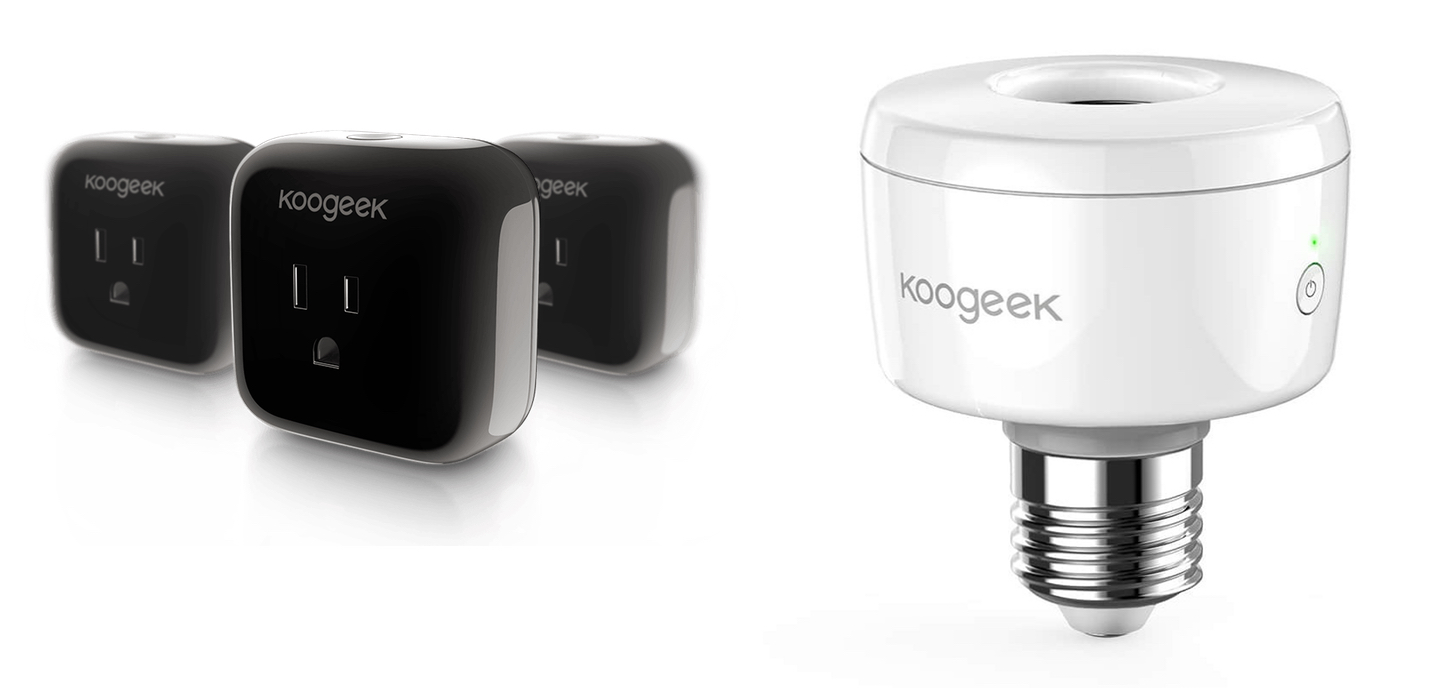
Koogeek may not be a name brand that jumps to mind when you think about home automation, but the company has built a substantial lineup of HomeKit-enabled devices. I’ve had a Koogeek smart plug for about a year and recently received a Koogeek lightbulb socket for review. I’m fairly new to home automation and have found both products to be a good way to dip your toe into home automation despite some limitations.

Read more


Apple Doubles Down on App Store Curation

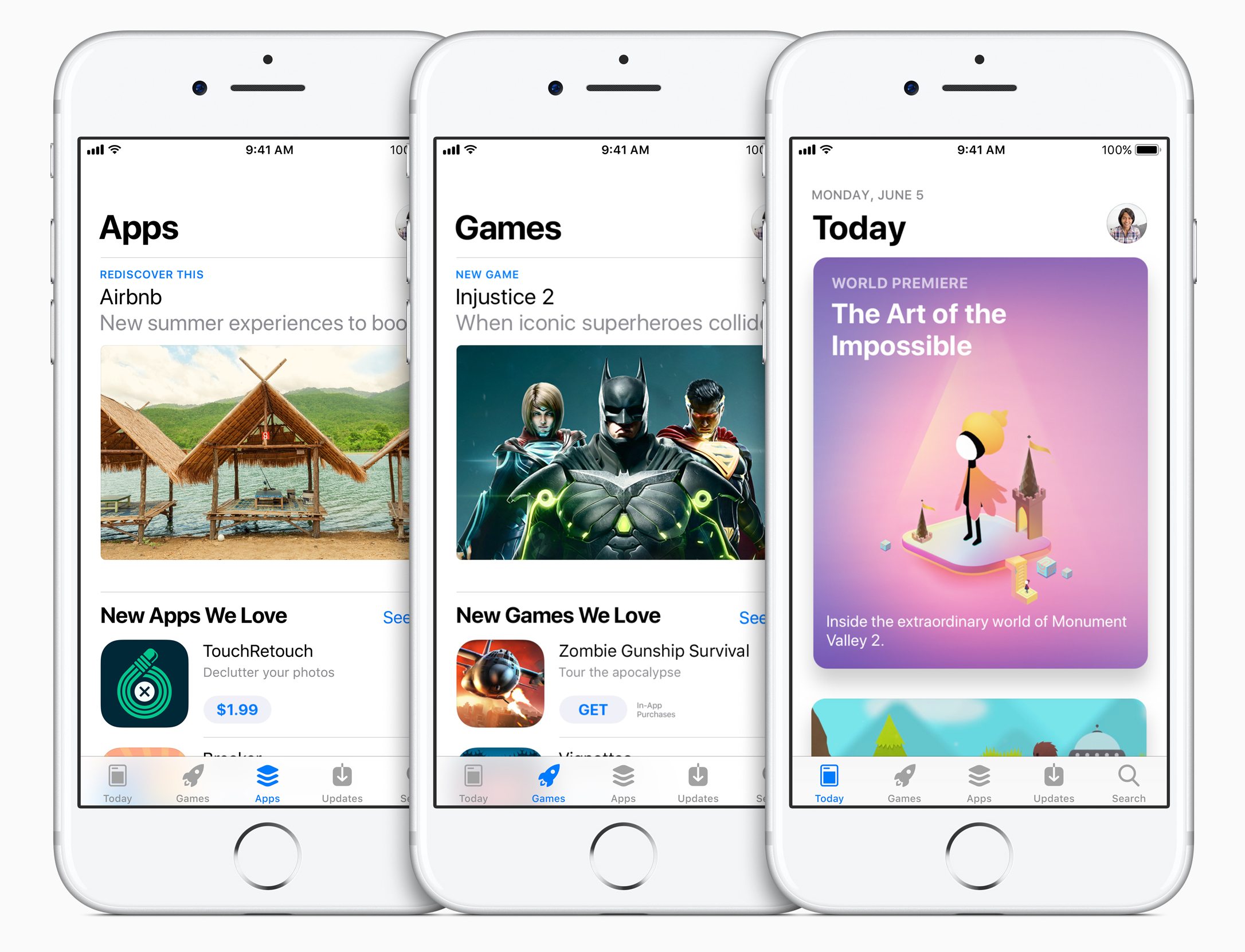
Manton Reece’s assessment of the redesigned App Store coming to iOS 11 is spot on:

The old App Store was designed like a database. Databases are good at showing grids and lists from an algorithm. But the App Store should tell a story about new apps. A blog-like format is the best way to do that.

This plays to Apple’s strengths in design and taste. Where Google might hire more engineers to improve their store, Apple should hire more writers.

Three years ago, Reece argued that Apple should invest heavily in App Store curation, which is precisely what it appears to be doing. The depth and breadth of the new App Store content that Apple has planned is unclear, but during a WWDC session on the changes to the App Store, product manager Pedraum Pardehpoosh declared Apple’s intent to ‘double down’ on editorial curation. If the initial content included with the iOS 11 beta is any indication, Apple may be on track to make the App Store a regular destination for users instead of a place people go to only when they have a specific need.

Permalink

A Frontline Perspective on the Birth of the iPhone

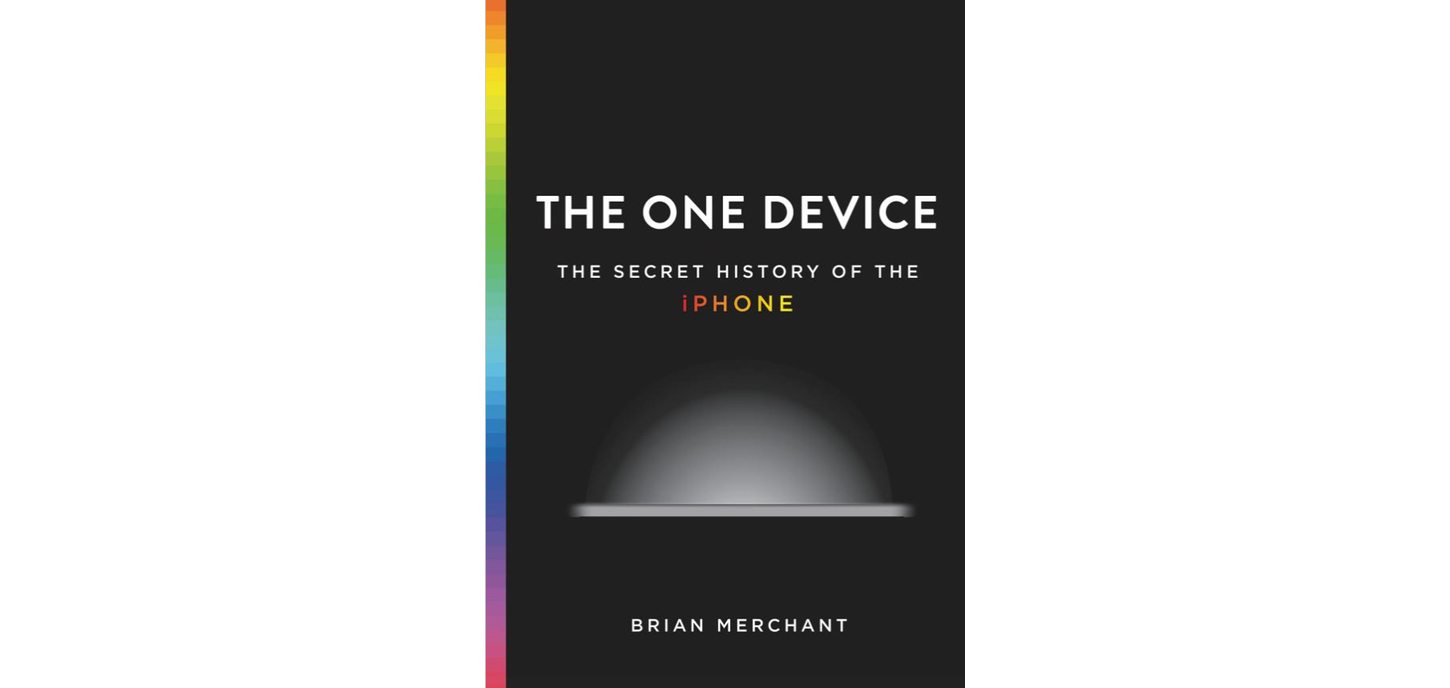
The Verge has a lengthy excerpt from Brian Merchant’s upcoming book, ‘The One Device: the Secret History of the iPhone.’ Merchant’s book chronicles the development of the iPhone from the recruitment of engineers, designers, and others at Apple, through the battles over its hardware and software implementation. What’s unique about the excerpt of ‘The One Device’ is that it doesn’t try to fit the story of the iPhone’s development into a neat and tidy straight-line narrative. Instead, the excerpt embraces the messy, twisted path the product took from inception to launch.

The first battle was over hardware and whether the iPhone would be a multitouch device or an adaptation of existing iPod hardware. According to Merchant, an iPod-based Apple phone made the first calls:

The first calls from an Apple phone were not, it turns out, made on the sleek touchscreen interface of the future but on a steampunk rotary dial. “We came very close,” Ording says. “It was, like, we could have finished it and made a product out of it… But then I guess Steve must have woken up one day like, ‘This is not as exciting as the touch stuff.’ ”

Once it was decided that the iPhone would be a multitouch device, the battleground shifted to whether the operating system would be based on OS X or the iPod’s OS:

“At this point we didn’t care about the phone at all,” Williamson says. “The phone’s largely irrelevant. It’s basically a modem. But it was ‘What is the operating system going to be like, what is the interaction paradigm going to be like?’ ” In that comment, you can read the roots of the philosophical clash: The software engineers saw P2 not as a chance to build a phone, but as an opportunity to use a phone-shaped device as a Trojan horse for a much more complex kind of mobile computer.

Ultimately, the iPhone was released as a touchscreen device that sported a stripped-down version of OS X, and has proven to be the mobile computer that its creators envisioned. What I like most about the excerpt, and why I immediately purchased the book, is that it tells the story of the iPhone from the perspective of the people who worked on it, which provides details that only the engineers and designers working on the front lines can bring to life.

‘The One Device: the Secret History of the iPhone’ by Brian Merchant will be released on June 20th and is available for pre-order on the iBooks Store and Amazon.

Permalink