
Ryan Christoffel

991 posts on MacStories since November 2016

Ryan is an editor for MacStories and co-hosts the [Adapt](https://www.relay.fm/adapt) podcast on Relay FM. He most commonly works and plays on his iPad Pro and bears no regrets about moving on from the Mac. He and his wife live in New York City.

macOS Will Soon Support Universal Apps, Enabling a Single Purchase for Mac, iPhone, and iPad Apps

As first spotted by Steve Troughton-Smith, release notes for the latest beta build of Xcode include a major development: Mac apps can soon be included as universal purchases with their iPhone and iPad companions.

https://twitter.com/stroughtonsmith/status/1225125126427025409?s=21

Universal apps currently enable you to make a single purchase to gain access to both iPhone and iPad versions of an app. Nearly all cross-platform developers default to this option, though some still sell separate iPhone and iPad apps. macOS has never been included as part of universal apps though, even after Mac Catalyst launched last year. That sounds like it’s going to change when the latest OS updates – iOS and iPadOS 13.4 and macOS 10.15.4 – arrive this spring.

With universal app support, developers will be able to charge users a single time to grant access to Mac, iPhone, and iPad versions of their app. As Apple’s release notes state, this option in Xcode will be on by default for apps built with Catalyst, but it will also be available to non-Catalyst apps that are offered on the Mac App Store. While this change won’t be the best option for all developers, especially considering the different business dynamics of Mac and iOS apps, it makes sense for iPad developers who bring their apps to the Mac with Catalyst and don’t want to deal with the complication of a separate purchase system.
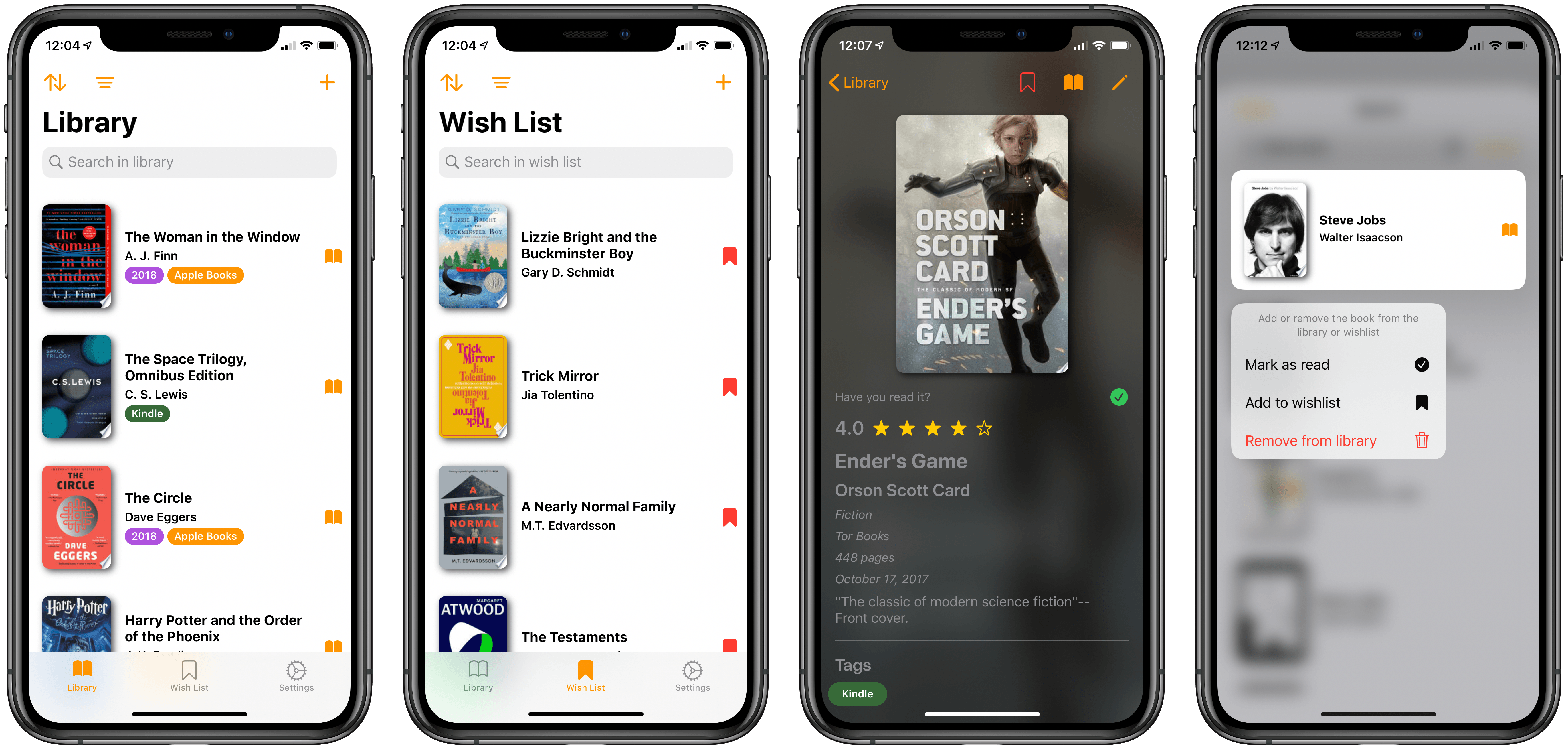
Book Track Review: A Modern, iOS-Friendly Library Manager

The App Store contains millions of apps, yet for some app categories there can be a real scarcity of quality options. Book tracking, for example, features a few solid choices that are still actively developed, but largely this category receives less developer attention than I’d hope. One new option that debuted recently is Book Track, an app designed to provide key library management features in a clean and simple interface. When it comes to utilities like book trackers, I prefer that apps keep complication to a minimum while still providing the key functionality I need. Book Track, with a few exceptions, largely succeeds at that.

Read more


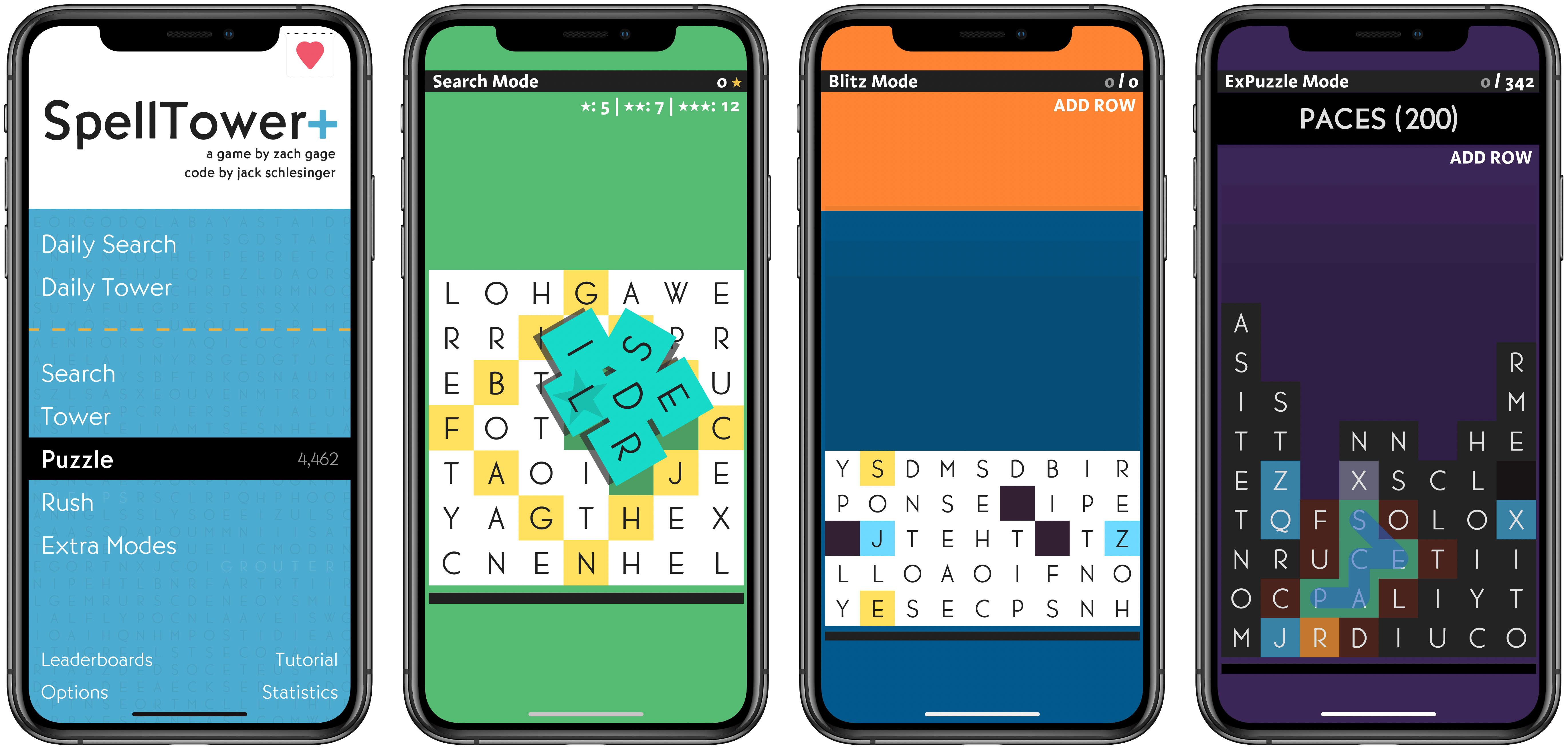
Spelltower+ Review: New Modes and More Resurrect the Classic Word Game

Word game addicts, say goodbye to your family, friends, and productivity: Spelltower is back and better than ever. The newly launched Spelltower+ from Zach Gage and Jack Schlesinger takes the original game, modernizes it for the latest iPhone and iPad screen sizes, adds lots of new game modes, and packs several other key feature enhancements. Whether you’re a longtime Spelltower fan, or the game missed your radar entirely in its glory days, Spelltower+ deserves your attention.

Read more


The Omni Group Shares 2020 Roadmap

As per tradition, The Omni Group has shared its product roadmap for the year ahead. Though these plans are always subject to change, especially pending new OS updates Apple will announce this June, the roadmap still gives a solid idea of where apps like OmniFocus, OmniOutliner, and more are heading.

Included on the roadmap is the launch of OmniPlan 4, expansion of OmniFocus for the Web features, simplifying licensing so you can authenticate your purchases with a sign-in rather than using activation codes, and automation improvements. Check out the full list of planned work here.

One section of the roadmap that stood out to me:

We’re also continuing to improve the flow of using our apps—particularly on iPad and iPhone. We want easy navigation, so everything in the app feels like it’s right at your fingertips—whether your fingertips are using the mouse, touch screen, or a hardware keyboard.

While this is a passing comment in the broader post, it’s also something that many developers fail to consider. Optimizing an app for different platforms, and those platforms’ respective strengths, takes a lot of work and careful thought. Devices like the iPad in particular can suffer from a lack of optimization – do developers optimize for touch input or that of a keyboard? In the age of the iPad Pro and iPadOS, the correct answer is “both.” I look forward to seeing what The Omni Group does in this area.

Permalink

Portal Review: Immersive Ambient Noise with Philips Hue Integration

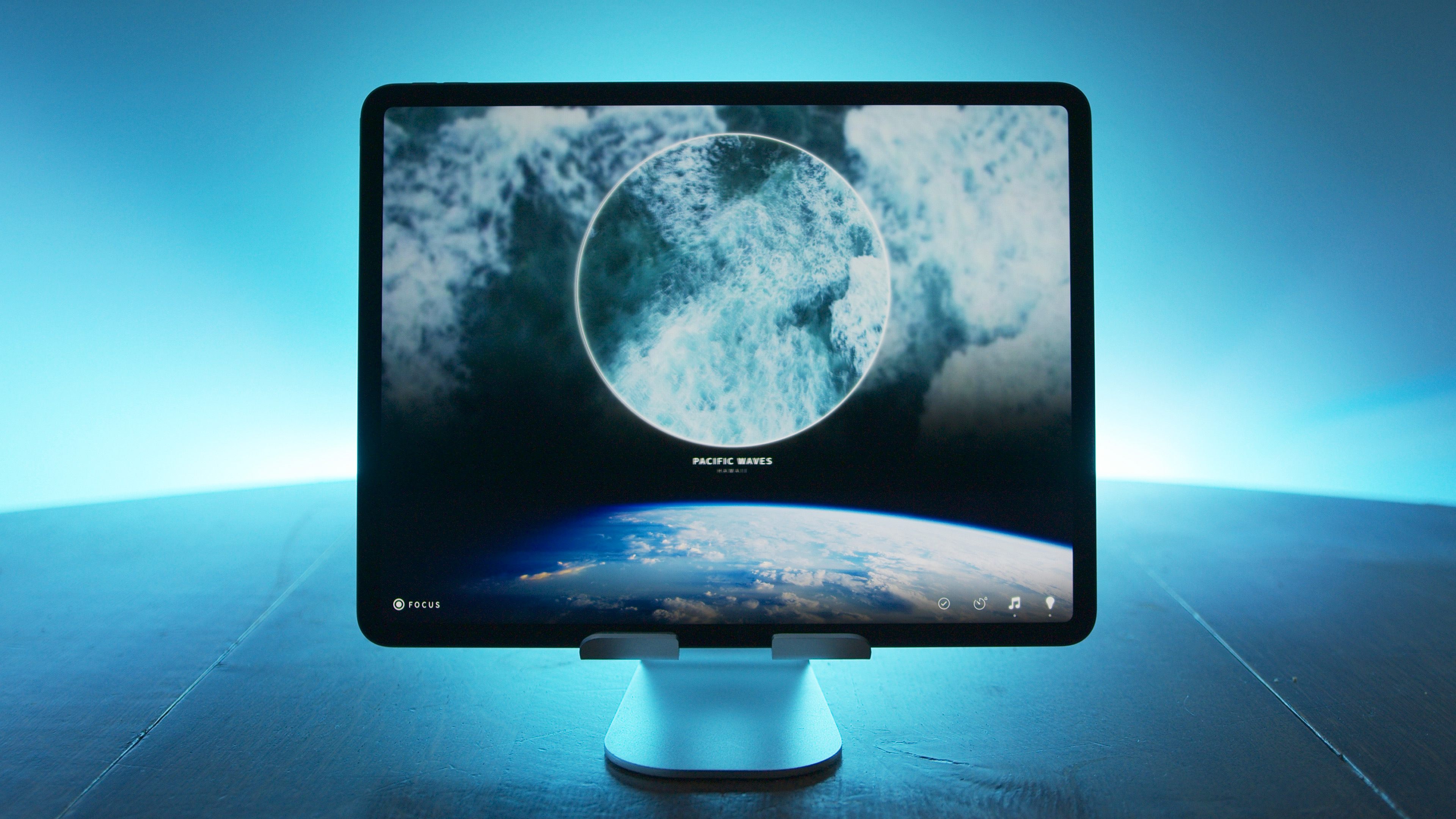
Ambient noise apps exist to help you focus or sleep, primarily. They provide a calming effect and complement mode-switching, whether that’s switching to a specific work project, switching from awake to asleep, or some other purpose. Portal, the ambient noise app that bears no relation to Facebook, works well for these purposes – in fact, focus and sleep are two of the three pillars Portal highlights in its name. However, the third pillar – escape – is what speaks most to the app’s distinct strength.

Portal doesn’t just offer a pleasant soundtrack to work or sleep by. As its name implies, its purpose is more specific and holistic than that, providing an escape portal into another environment entirely. Portal employs 3D soundscapes, Philips Hue integration, and imagination-inspiring visuals to make you truly feel, as much as possible, like you’ve escaped to a new place.

Read more


Reflections from the iPad’s Original Development Team

Ryan Houlihan at Input has published a new interview with two key members of the team that birthed the iPad 10 years ago. Married couple Imran Chaudhri and Bethany Bongiorno, former Director of Design for the HI team and Software Engineering Director, respectively, reflect widely on the development process behind Apple’s tablet. Two of the most interesting answers had to do with envisioning the future of the iPad, and regrets about its past.

Chaudhri on the device’s future:

I think it’ll be interesting for all of us to watch and see how Apple evolves the iPad. But, you know, I think one of the struggles that customers have with the iPad right now is really trying to figure out what role it plays in terms of a portable class computer. You have a traditional desktop computer or a traditional laptop computer — and where does the iPad fit in? You know, I would hope and I think they would continue to evolve it to a point where the iPad does end up doing a lot more that the Mac [currently] does and that the Mac redefines itself as more of a professional tool and the iPad defines itself as more of a mass consumer computing platform. I think that would be almost like a natural progression.

Bongiorno on a regret:

I would say one regret is that it became really hard after we shipped the iPad to continue to push it forward in the way that I think Imran and myself and others at the company really wanted to. The gravity of the phone was so big — and it still is so big, right? It makes it really hard.

This week as the iPad’s 10 years are celebrated, it’s become a great time to reflect on where the device has come from and where it’s going. I use my iPad all day, every day for work, and love it. However, for the device to realize its fullest potential as a mass-market computer replacement, I think there’s still plenty of work yet for Apple to accomplish.

Permalink

Little America Expanding to Apple Podcasts and Apple Books, Show’s Behind-the-Scenes Detailed

Simon Thompson has an excellent, wide-ranging interview at Forbes with the production team behind Little America, the acclaimed Apple TV+ series that debuted recently.

Early on the interview covers why the team chose Apple for this show. Executive Producer Lee Eisenberg explains that unlike many other companies, who were “a little scared” by the pitch, Apple “almost immediately started selling themselves to us and trying to convince us why they should have it.” He attributes this to the series’ tone and spirit being a perfect fit for Apple’s brand. Eisenberg also explains how the company’s platform was a big draw:

“Apple is such a worldwide and multi-faceted brand. We’re doing a podcast to delve more into the stories and the music on the show. There’ll also be a playlist for every episode. We’re putting out a book too. Apple has an infrastructure that just felt like it would be able to touch all of the different pieces that we wanted.”

Word of a Little America podcast seemingly confirms reports of Apple developing original podcast content for its TV+ catalog. The whole paragraph, however, highlights the unique place Apple is in as a media hub. As I’ve written several times now, there’s tremendous potential for the company to utilize its various services in concert to provide experiences not possible anywhere else.

Another fascinating portion of the interview involved production challenges the team faced. Executive Producers Emily V. Gordon and Kumail Nanjiani share the story of a time the show, which centers around U.S. immigrant narratives, had to move production out of the country and into Canada due to an actor being unable to get a visa to enter the country.

“There was a Libyan actor who we were flying in to be in the show, but because of the new immigration laws, we couldn’t film that episode in America. We had to move production to Canada for an episode,” Gordon explained.

Nanjiani added: “For an episode about someone coming to America, who came here with refugee status, we could not shoot it in the US, which was crazy. We couldn’t get a visa for him. We really liked him and really wanted him for the part, so, luckily, Apple was kind enough to allow us, at great expense, to move production to Canada for one episode.”

What an incredible and fitting behind-the-scenes story for a series like this.

Permalink