Ryan Christoffel

991 posts on MacStories since November 2016

Ryan is an editor for MacStories and co-hosts the [Adapt](https://www.relay.fm/adapt) podcast on Relay FM. He most commonly works and plays on his iPad Pro and bears no regrets about moving on from the Mac. He and his wife live in New York City.

New Emoji Announced for 2018

Today the latest batch of emoji approved for addition to the Unicode standard was announced. Jeremy Burge at Emojipedia has the scoop:

The emoji list for 2018 has been published which adds 157 new emojis to the standard. This brings the total number of approved emojis to 2,823.

The latest emoji set includes (finally!) a redhead option, along with a superhero and super villain, kangaroo, llama, bagel, cupcake, and much more.

Emojipedia has created a video featuring designs of the newly approved emoji in a style resembling Apple’s emoji set. While we won’t get a glimpse at Apple’s own designs until later in the year, the video does a great job providing a preview of what we can expect.

In recent years it has become tradition for Apple to add the newest emoji to a point release of iOS, so if that pattern holds, we’ll get our hands on these newest emoji options with iOS 12.1 or 12.2 before the end of the year.

Permalink

What Is Apple’s Video Strategy?

Pavan Rajam shares a broad look at Apple’s video-related efforts, evaluating the company’s current position and its potential for greater impact in the fast-shifting market.

Today, there is no meaningful exclusive video content on Apple platforms. Apple, thus far, has relied on its design and engineering prowess to differentiate its video offerings.

It’s clear this strategy isn’t working.

The iTunes Store is arguably the best transactional video storefront, but that alone is not enough to stop consumers from adopting subscription services. The TV app has a great UI and cross app integration, but that does not justify the $150 price to get it on your TV. Apple TV is the best designed, most capable streaming video box on the market, but that isn’t enough to justify its premium pricing when the same streaming services are available on every other platform with a significantly lower cost of entry.

Rajam’s overview makes clear the significant challenges Apple faces in this market. Though the company is making heavy investment in developing original content, it’s unknown what the plan for distributing that content will be: will it be widely available across all platforms, or exclusive to Apple hardware? Both approaches have clear benefits and drawbacks, so the question goes back to what the bigger goal is.

Apple ultimately has to decide what is more important: Apple TV as a premium hardware product line or a streaming video service that runs across all of its platforms.

I expect that by the end of this year, whether Apple’s video content is released by then or not, we will at least have the answer to that question.

Currently, a big reason video services like Netflix thrive is that they’re available to a huge number of customers – regardless of what TV, phone, or computer you own, you can get Netflix. It would be against industry practice for Apple to create a video streaming service that’s exclusive to its hardware. Hollywood likely wouldn’t appreciate that either, as creators want their work shared as widely as possible. For those reasons, I have a hard time seeing Apple launch a service that isn’t, at the very least, available to users on some other platforms.

If Apple did make its service available on select other platforms, such as Android and the web, it could still position Apple TV as the only way to watch its shows on the big screen. Non-Apple users would still have access to the service, but if Apple does its job and creates truly compelling new shows that people love, many of those users may then be willing to splurge for a premium set-top box. Asking anyone to pay $150 for access to a streaming service is a hard sell, but if you can first hook people on shows they love, they’ll eventually want to watch those shows in a way that’s most comfortable: on their TV.

Permalink

Emoji Use in Apps Leading to App Store Rejections

Over the last several weeks, a few different emoji-related App Review stories have been shared by developers on Twitter. Though it’s common practice to use emoji throughout an app’s interface, Apple has begun rejecting some apps for just this reason.

Emojipedia founder Jeremy Burge researched the issue and summarized what seems to be a shift in Apple’s handling of emoji use. In a piece titled “Apple’s Emoji Crackdown” he walks through his current understanding of what’s permissible regarding emoji use, and what isn’t – though with the caveat that none of this has been officially addressed by Apple yet. He concludes:

It would be a shame to see emojis banished from all apps due to potentially over-zealous app reviewers.

Using an emoji as a core part of an app’s UI, or in-game character seems to be a fairly clear overstepping of the mark, and now that Apple has begun enforcing this, I don’t expect that side of things to change.

It’s understandable there is much confusion about this right now, especially as the Apple Color Emoji font until now has been treated by many as a font like any other. If…thought about as “a set of images created and owned by Apple”, the terms for what seems reasonable do shift.

Despite the lack of word from Apple on an official policy change, the signs don’t look good. Apple owns the rights to its emoji designs, and there is currently no way for developers to license those designs, so we may begin seeing a lot less emoji use in apps soon.

Permalink


ARKit 1.5 Opens a Whole New Realm of Possibilities

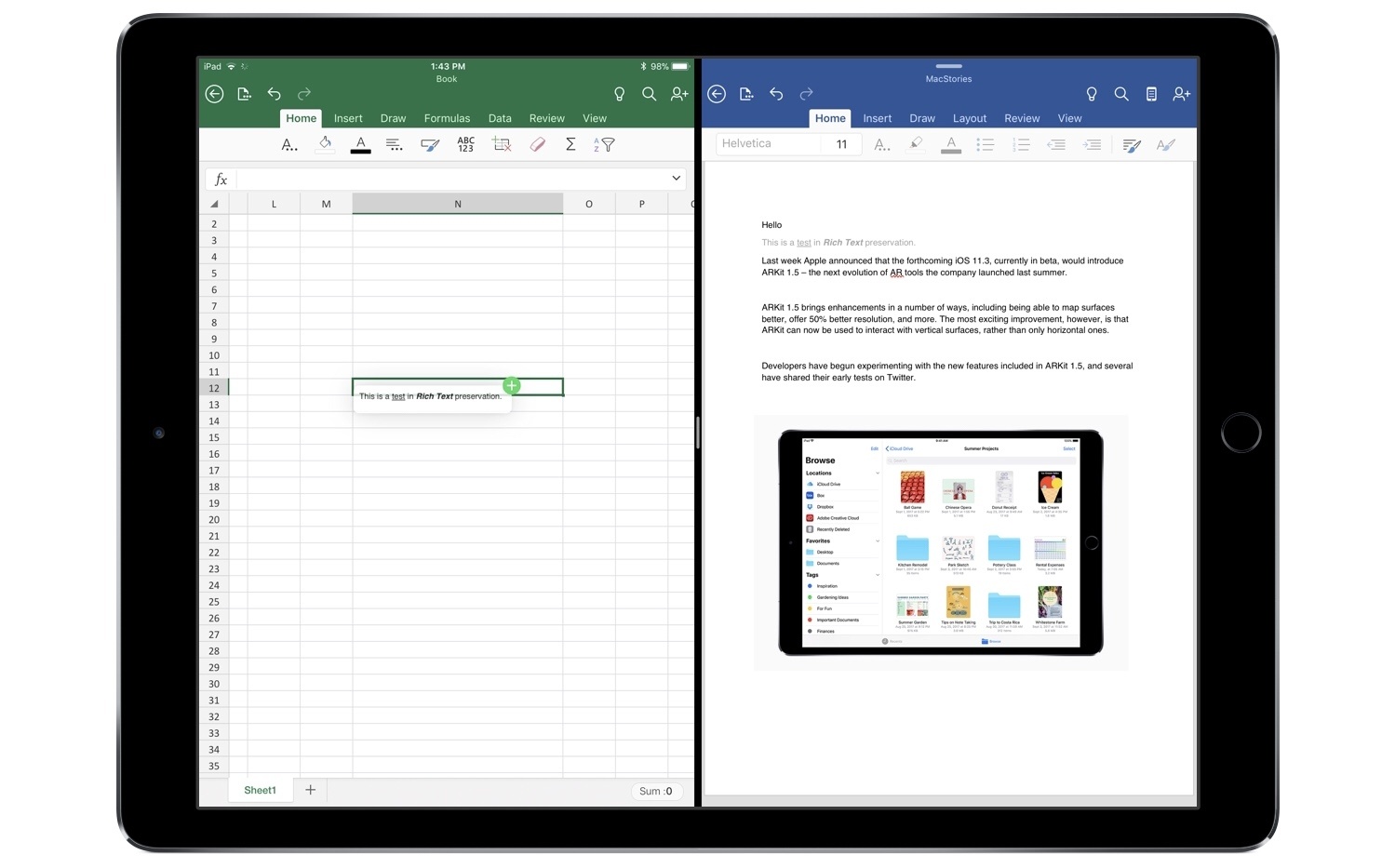
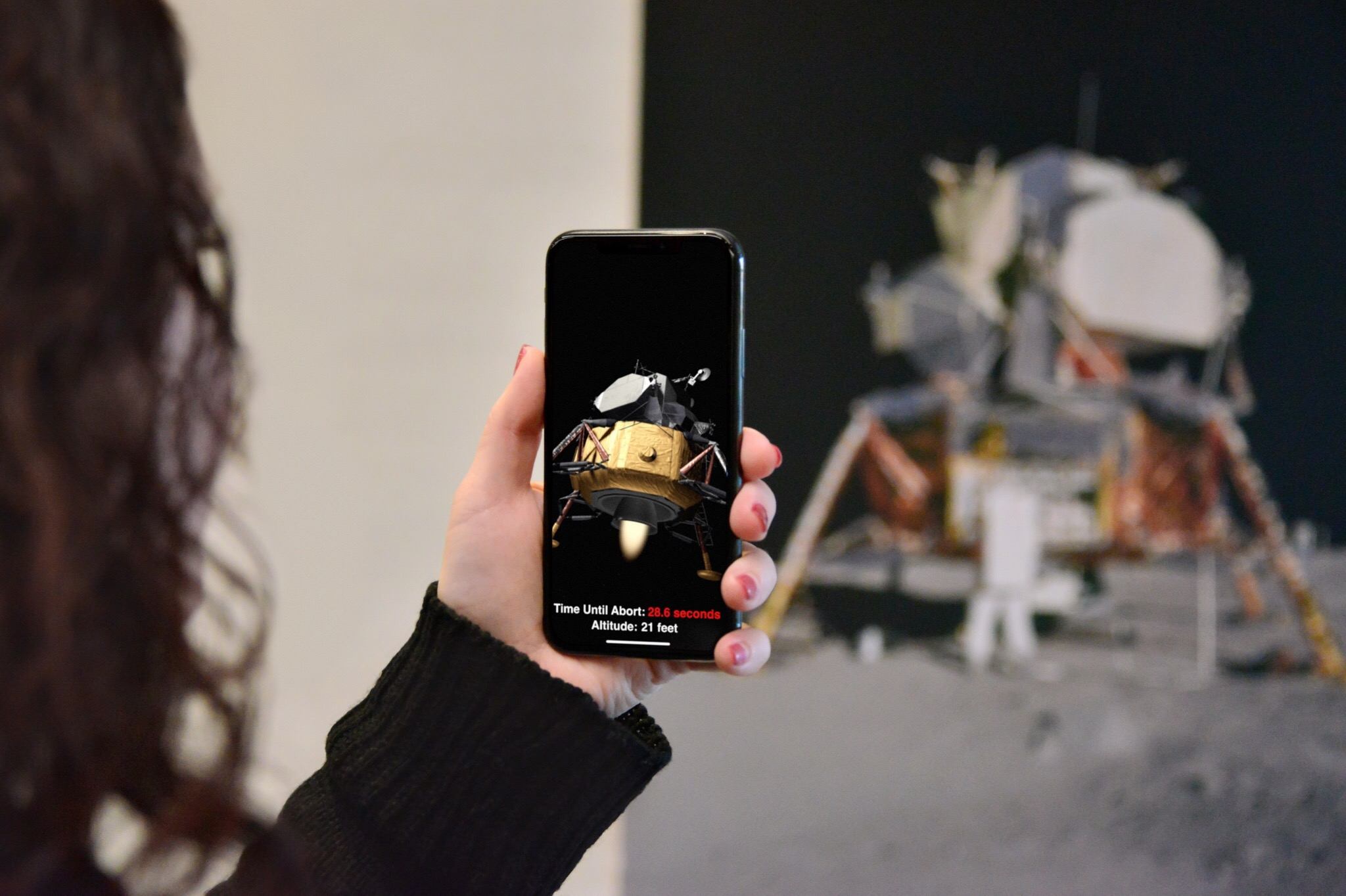
Last week Apple announced that the forthcoming iOS 11.3, currently in beta, would introduce ARKit 1.5 – the next evolution of AR tools the company launched last summer.

ARKit 1.5 brings enhancements in a number of ways, including being able to map surfaces better, offer 50% better resolution, and more. The most exciting improvement, however, is that ARKit can now be used to interact with vertical surfaces, rather than only horizontal ones.

Developers have begun experimenting with the new features included in ARKit 1.5, and several have shared their early tests on Twitter.

Read more


Full Breakdown of Audio That HomePod Can and Can’t Play

We know the HomePod works great with Apple Music, but for those who aren’t Apple Music subscribers, what audio content can the HomePod still play for them – with Siri support, and without?

Serenity Caldwell has put together a comprehensive guide for iMore that answers that question in exacting detail, filling in the gaps left by Apple’s official marketing disclosures.

For iTunes Match subscribers, it’s good news.

Permalink

Apple’s Podcast Analytics Prove the Medium’s Power

Miranda Katz, writing for WIRED:

Podcasters and advertisers alike have long suspected that their listeners might just be a holy grail of engagement. The medium is inherently intimate, and easily creates a one-sided feeling of closeness between listener and host—the sense that the person talking into your ear on your commute is someone you know, whose product recommendations you trust, and whose work you want to support. Cox describes it as a “lean in” medium: “People are really listening and want to consume all of the content that is there and available. There’s a level of dedication that comes from podcast listeners that you otherwise don’t find.” And now the numbers prove it. Podcasts aren’t a bubble, they’re a boom—and that boom is only getting louder.

Last year at WWDC Apple announced that it would soon provide podcasters with new data regarding the behavior of listeners – data like how long an episode is listened to for, and whether ad reads are skipped or listened to.

As Katz shares in her WIRED piece, the early results have been extremely positive, proving what many podcast listeners already knew: podcasting is a uniquely engaging medium that breeds avid fans.

Permalink