Federico Viticci

10804 posts on MacStories since April 2009

Federico is the founder and Editor-in-Chief of MacStories, where he writes about Apple with a focus on apps, developers, iPad, and iOS productivity. He founded MacStories in April 2009 and has been writing about Apple since. Federico is also the co-host of AppStories, a weekly podcast exploring the world of apps, Unwind, a fun exploration of media and more, and NPC: Next Portable Console, a show about portable gaming and the handheld revolution.

Pages Is No iBooks Author Replacement

Stephen Hackett took the updated Pages for a spin and compared its digital book creation features to the existing iBooks Author app for Mac. As it turns out, the new functionality isn’t a replacement for what iBooks Author can do:

It cannot open my iBooks Author file for my book on the iMac G3 and history of Mac OS X. I’m not super surprised by that, but as the future of iBooks Author is unknown, I’d like a way to know I can edit this file using Pages in the future.

The options when creating a book in Pages are currently more limited than what is available in iBooks Author. There are fewer templates available, and the hierarchy of chapters and sections are nowhere to be found. iBooks Author includes tools for a Table of Contents and Glossary, and these are missing from Pages as well.

Pages also lacks iBooks Author’s widgets. These can be used to add Keynote files, pop overs, review questions, videos and even HTML content to books. This is a pretty big oversight, as these tools can add real interactivity to a book.

iMore’s Serenity Caldwell has also clarified with Apple that the eBook creation feature in Pages is not a replacement for iBooks Author, which is still “continuing development” – whatever that means, given its erratic update schedule and lack of an iPad version.

I was hoping to be able to create rich, interactive iBooks using Pages for iPad, but unfortunately this isn’t possible with today’s update. Still, I’m going to experiment with the feature to generate EPUBs for my longform reviews directly from iOS.

See also: AppleScript support for eBook creation in Pages for Mac.
Permalink

The New 9.7” iPad: Our Complete Overview

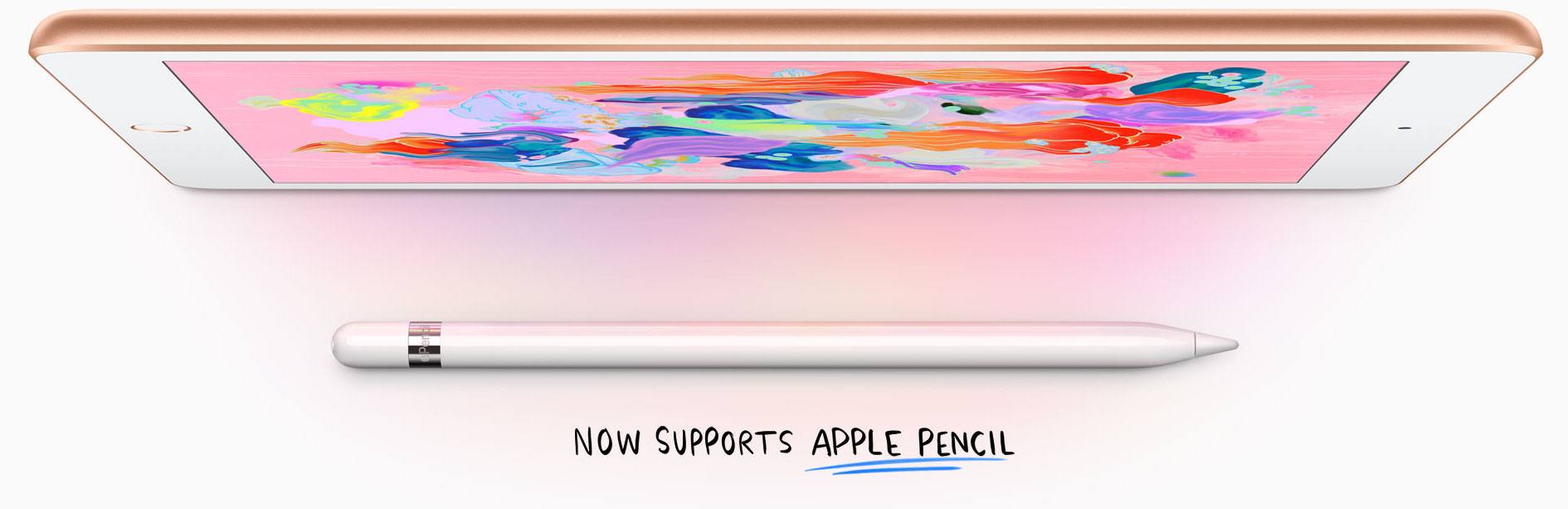
At their education event held in Chicago earlier today, Apple announced an update for the 9.7” iPad model that, while not adopting all the features from the more powerful iPad Pro line, brings support for the Apple Pencil and includes the A10 Fusion chip.

“iPad is our vision for the future of computing and hundreds of millions of people around the world use it every day at work, in school and for play. This new 9.7-inch iPad takes everything people love about our most popular iPad and makes it even better for inspiring creativity and learning,” said Greg Joswiak, Apple’s vice president of Product Marketing. “Our most popular and affordable iPad now includes support for Apple Pencil, bringing the advanced capabilities of one of our most creative tools to even more users. This iPad also has the power of the A10 Fusion chip, combined with the big, beautiful Retina display, advanced cameras and sensors that enable incredible AR experiences simply not possible on other devices.”

Read more


Connected , Episode 185: The Myke Hurley School of Excellence

Federico has taken over San Jose line watching, so Stephen gets to join Myke to talk about the long-rumored Beatles iPod, laptop cart repair and the eMac.

I wasn’t on last week’s episode of Connected, but I really enjoyed the discussion about old Apple rumors and the potential for a new education iPad. You can listen here.

Sponsored by:

  • Squarespace: Make your next move. Enter offer code WORLD at checkout to get 10% off your first purchase.
  • Anchor: The easiest way to make a podcast. Ever.
  • Ting: A smarter way to do mobile. Save $25 on selected devices or keep it as Ting credit.
Permalink


Erasing Complexity: The Comfort of Apple’s Ecosystem

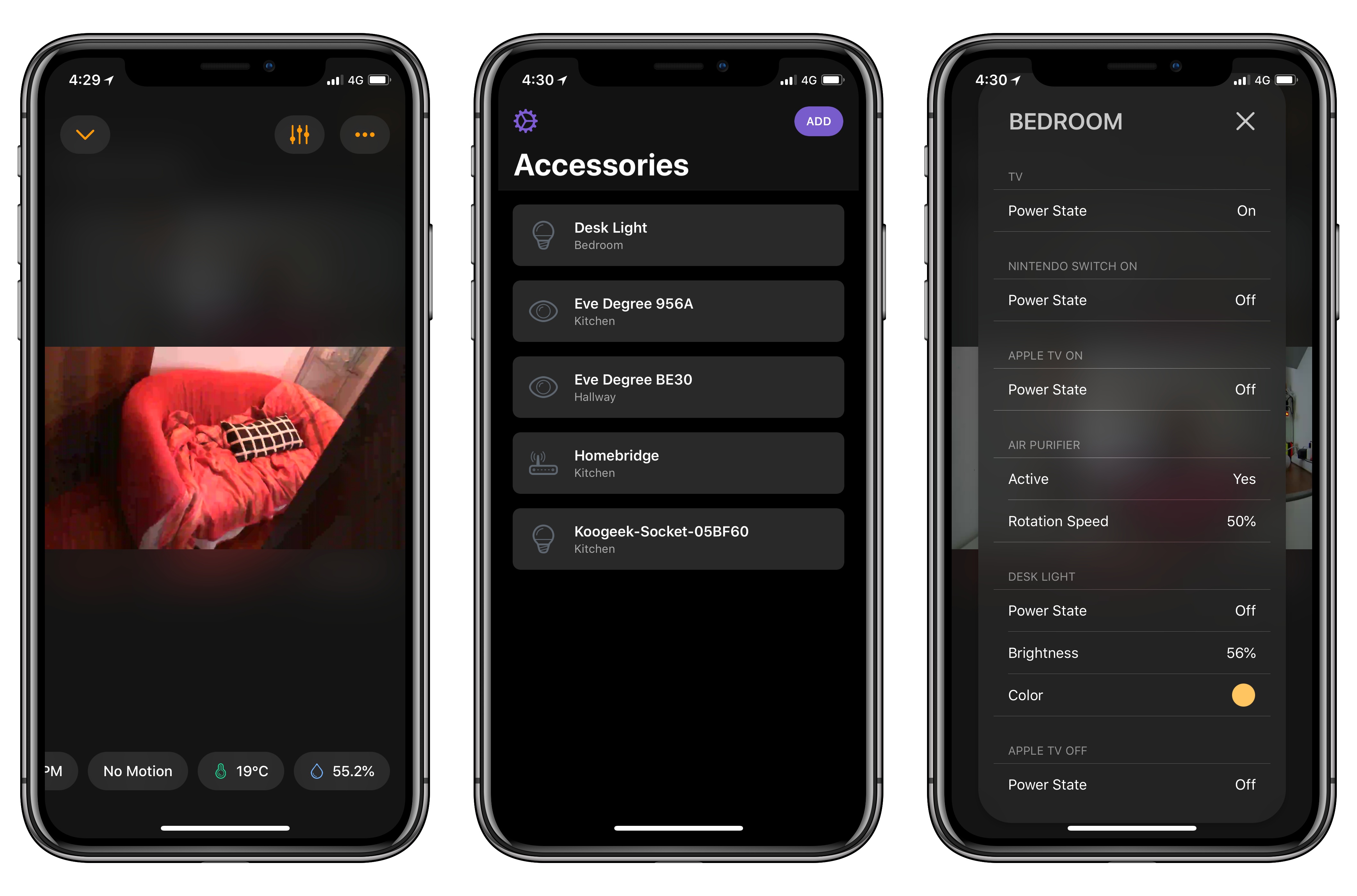
Every year soon after WWDC, I install the beta of the upcoming version of iOS on my devices and embark on an experiment: I try to use Apple’s stock apps and services as much as possible for three months, then evaluate which ones have to be replaced with third-party alternatives after September. My reasoning for going through these repetitive stages on an annual basis is simple: to me, it’s the only way to build the first-hand knowledge necessary for my iOS reviews.

I also spent the past couple of years testing and switching back and forth between non-Apple hardware and services. I think every Apple-focused writer should try to expose themselves to different tech products to avoid the perilous traps of preconceptions. Plus, besides the research-driven nature of my experiments, I often preferred third-party offerings to Apple’s as I felt like they provided me with something Apple was not delivering.

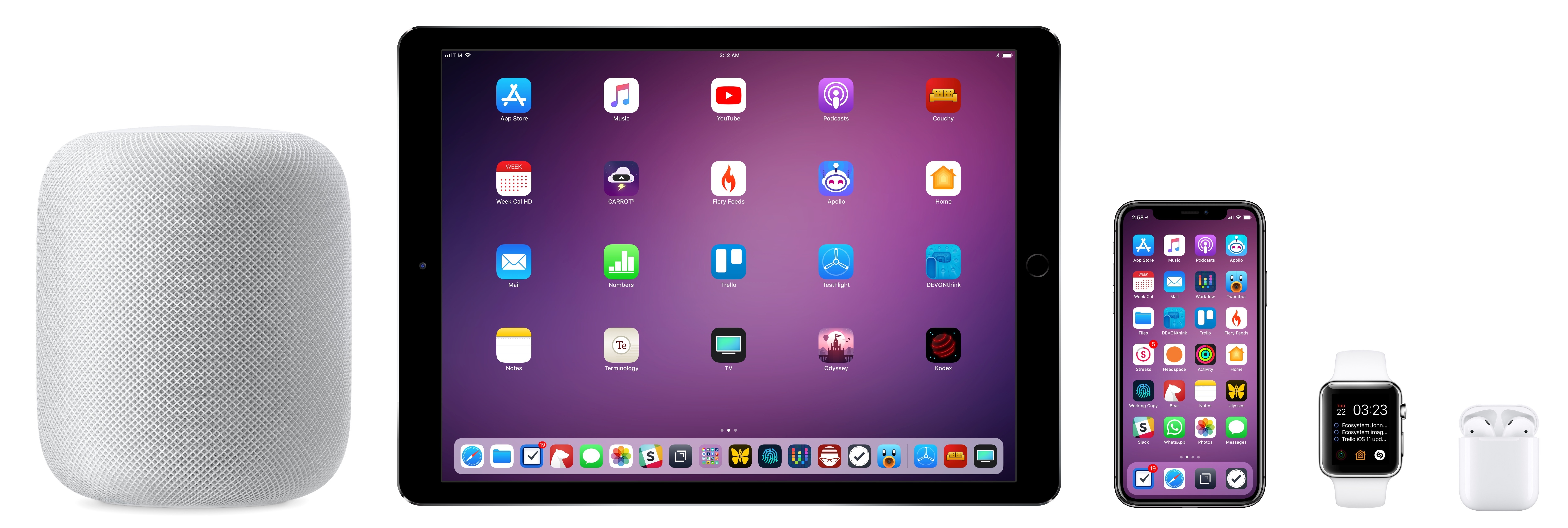
Since the end of last year, however, I’ve been witnessing a gradual shift that made me realize my relationship with Apple’s hardware and software has changed. I’ve progressively gotten deeper in the Apple ecosystem and I don’t feel like I’m being underserved by some aspects of it anymore.

Probably for the first time since I started MacStories nine years ago, I feel comfortable using Apple’s services and hardware extensively not because I’ve given up on searching for third-party products, but because I’ve tried them all. And ultimately, none of them made me happier with my tech habits. It took me years of experiments (and a lot of money spent on gadgets and subscriptions) to notice how, for a variety of reasons, I found a healthy tech balance by consciously deciding to embrace the Apple ecosystem.

Read more


Apple App Acquisitions

AppStories+ Deeper into the world of apps

AppStories Episode 47 - Apple App Acquisitions

0:00
35:28

AppStories+ Deeper into the world of apps

Federico and John look at the apps Apple has acquired over the years and where they are now.

Read more