
Posts in Linked

NewsBlur Adds RSS Feeds for Folders

Speaking of useful web services and Slack, here’s something I’m now using to make my own news-gathering filters available to others via Slack. NewsBlur, my RSS service of choice (I’ll write about it eventually, I promise), has launched support for RSS feeds of entire folders:

These folders keep track of sites you add and remove from them. They also allow you to filter out stories you don’t want to read or even choose to only show the stories you have in focus.

All of your feed subscriptions in the folder, including subfolders, are merged into a single river of news in RSS format. Technically we use Atom 1.0 format for NewsBlur’s many RSS feeds, but I’m not choosing a side here.

This wouldn’t normally be exciting for most RSS people like me, except that NewsBlur lets you train the service to promote stories you like and hide others you don’t want to see, and now you can output a stream of important stories-only via RSS.

For us, this means that the filters I’ve been building for news I care about can be useful to others so that a) they don’t have to subscribe to dozens of blogs themselves and cull their headlines over time and b) they can receive highlights with rich previews in a Slack channel. Great implementation by NewsBlur, and a perfect fit for how we’re using Slack.
Permalink

iMore’s Apple Music Guide

The iMore team has been doing a fantastic job at covering Apple Music and how the service works on various platforms and devices. Last week, they released an eBook version that collects of all their articles in one handy guide, expertly put together by Serenity Caldwell, Rene Ritchie, and the rest of the team.

I was on vacation when the iBooks version came out, but I still downloaded it and read it on my iPhone to see if there was anything I had missed in Apple Music and Beats 1. I discovered a lot of details I hadn’t paid attention to before, and I like how screenshots throughout the book always have informative callouts and descriptions. Fantastic resource (150+ pages) for anyone interested in or trying Apple Music, and just $4.99 on the iBooks Store. Recommended.

Permalink

Apple’s App Search API Validation Tool

I haven’t seen this linked before – and I certainly didn’t see it when I first wrote about iOS 9 search – but Apple has a new validation tool to test websites for App Search, coming with iOS 9 in Spotlight.

Apple writes:

Test your webpage for iOS 9 Search APIs. Enter a URL and Applebot will crawl your webpage and show how you can optimize for best results.

As I wrote, iOS 9 won’t be limited to searching for local app content:

To enhance web crawling with structured data and, again, give developers control of indexed content, Apple has announced support for various types of web markup. Developers who own websites with content related to an app will be able to use Smart App Banners to describe deep links to an app (more on this in a bit) as well as open standards such as schema.org and Open Graph.

Apple calls these “rich results”: by reading metadata based on existing standards, Apple’s web crawler can have a better understanding of key information called out on a webpage and do more than simply parsing a title and a link. With support for schema.org, for instance, Applebot will be able to recognize tagged prices, ratings, and currencies for individual listings on Airbnb, while the Open Graph image tag could be used as the image thumbnail in iOS search results. An app like Songkick could implement structured data to tag concert dates and prices in their related website, and popular concerts could show up for users with rich descriptions in the iOS 9 search page.

The validation tool does indeed analyze information that will be used to power iOS 9 search results – such as thumbnails, descriptions, and deep links to apps. You can try it out here.

Permalink

Google Photos Will Now Show You Photos and Videos From the Past

Sean O’Kane at The Verge:

The Google Photos app will now serve up cards in the “assistant view” that urge you to “rediscover this day,” and they can include photos, photo collages, or videos. The cards will tell you where you were and who you were with on that day, and the app also sticks a little graphic over everything that tells you which year it was from — another little bit that is extremely similar to Timehop.

The first rule of modern photo management services is that, sooner or later, they’re going to bring back a feature from Everpix. I used to love this in the defunct service; it makes sense for the Assistant view of Google Photos. It’s surprising to me that Apple still hasn’t added something like this to Photos (you can search for “one year ago”, but it’s not as precise or visible).

Permalink

Recovering Deleted Files and Data from iCloud

Dan Moren, writing for Six Colors on Apple’s new iCloud feature to restore deleted files and data:

A few weeks back, I noted that recovering lost files from iCloud required a trip to the web interface. At the time, the only data available for recovery were files stored in iCloud, but in the intervening weeks, Apple’s added new capabilities and reorganized the layout in the process.

Rather than Apple squirreling away data recovery options under “Advanced > Data & Security”, you now scroll down to an Advanced section, which contains direct links to file recovery and adds the option to restore both contacts and calendar/reminder data. Clicking any of those links will open the restore data dialog box with the correct tab pre-selected.

On both MacStories and Connected, I’ve often noted how the lack of visible file versions and ability to restore deleted files has pushed me away from iCloud to embrace the safety of Dropbox. I’m still going to need Dropbox for the foreseeable future (and there’s still no comparison with what iCloud is offering when it comes to recovering deleted files and viewing versions), but this is a start by Apple and I like how it applies to iCloud data as well – not just files. More of this, please.

Permalink

The Colors Of An App Icon

Stuart Hall from AppBot has previously written articles about common trends amongst popular apps when it comes to app names, descriptions, screenshots and countries, and he is back today with one about the colors of app icons.

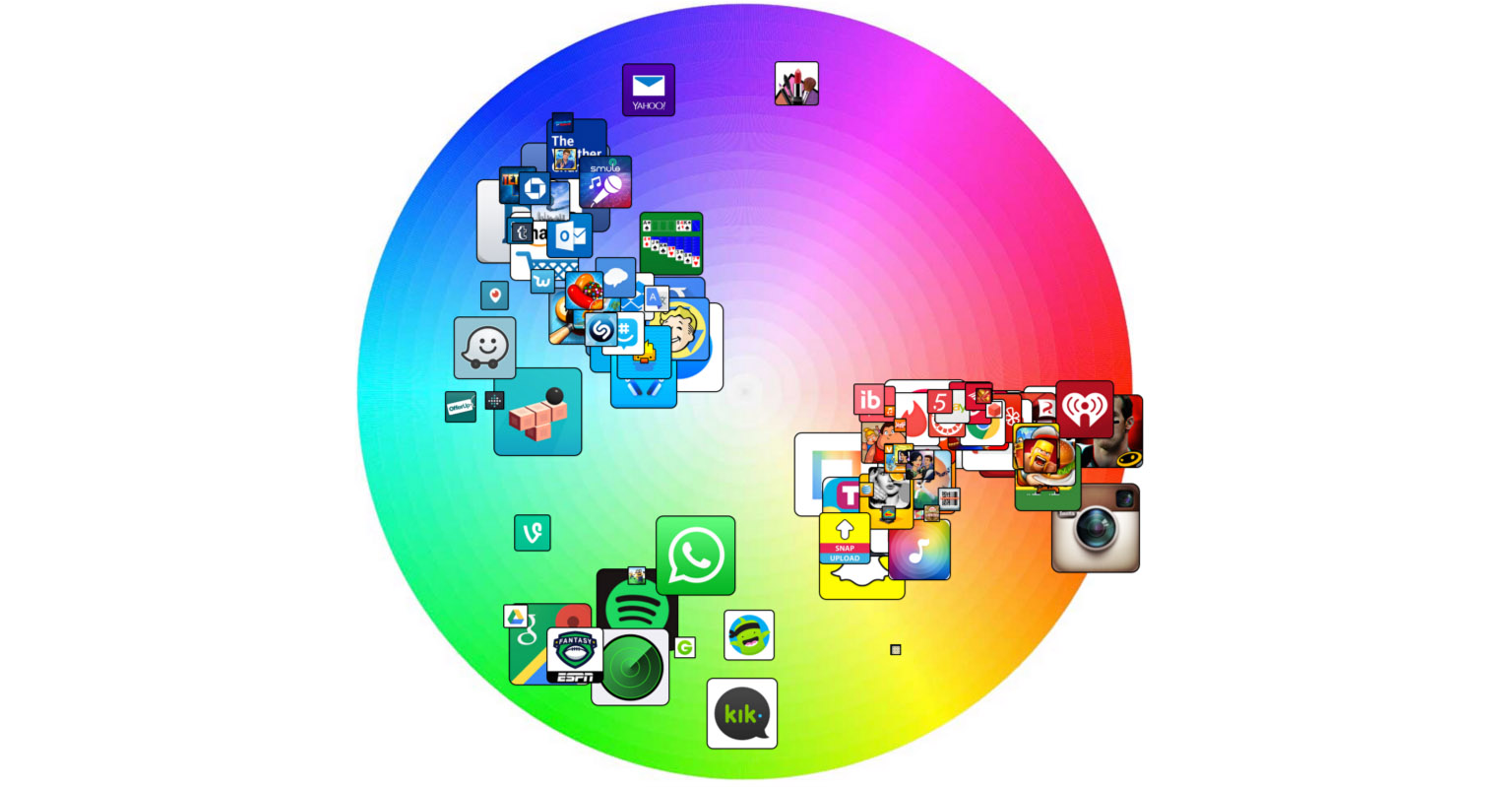
Hall was able to extract the dominant colors from app icons and then plot them on a color wheel. The article features several different ‘color wheels’ showing the top 200 free iOS apps, paid iOS apps, iOS social apps, iOS games and free Mac apps.

You really need to view the article for yourself, but I have embedded one color wheel below. Hall shared a draft of the article with me and I suggested he generate one more color wheel which plotted the app icons based on their major color and sized to reflect their position on the charts (#1 is largest). Hall kindly obliged and you can see the chart below, representing the top 100 free iOS apps.

Permalink

Zane Lowe Talks Beats 1’s First Weeks

Good interview with Apple’s Zane Lowe on Billboard. Sounds like he’s in a charge of a lot of aspects of Beats 1, with Trent Reznor providing overall vision and strategy, and artists having pretty much carte blanche for their own shows.

Beats 1 is supposed to be formatless, but there do seem to be parameters to what’s played. How would you define the Beats 1 sound?

The personality of the station is developing over time. We started with a selection of records. That came down to four or five of us going, “What’s popping?” Then you ask around about the artist, do a bit of due diligence. After the first week, it was really exciting to hear how it all fit together, but also at times it was jarring. For instance, we would come out of big shows by Q-Tip or Disclosure, and the first song was really slow – you’re immediately losing the impact you’ve gained from the previous song. So we made some changes. We also noticed in the first week people listened for really long amounts of time, which meant songs got tired quickly, so we revised our rotations. And we’re working on a replay service and we want to get full on-demand ready.

Permalink

The Rise of (i)Phone Reading

Jennifer Maloney, writing for The Wall Street Journal last week on the rise of phone reading has some interesting stats regarding the iPhone 6:

Since the release of the bigger, sharper iPhone 6 and 6 Plus last September, Apple has seen an increase in the number of people downloading books onto iPhones through its iBooks app. Some 45% of iBooks purchases are now downloaded onto iPhones, an Apple spokeswoman said. Before that, only 28% were downloaded onto phones, with most of the remainder downloaded onto iPads and a small percentage onto computers.

This increase isn’t limited to Apple’s iBooks app:

Amazon has also noted the development. Among all new customers using Kindles or the Kindle app, phone readers are by far the fastest-growing segment, an Amazon spokeswoman said, declining to disclose figures. Among those who use the Kindle app, more people now read books on the iPhone 6 or 6 Plus than on any other Apple device, even the popular iPad Mini, she said.

Note how Apple said “downloaded onto iPhones” and not “entirely read on iPhones” – but still, it makes sense for people to read books (and I would assume, web articles) more continuously and ubiquitously on an iPhone than an iPad, especially thanks to the iPhone 6 and 6 Plus.

Permalink

Set Up Your Own OmniFocus Sync Server

The fine folks at The Omni Group offer a free service called, logically enough, the Omni Sync Server. It will sync your OmniFocus and documents from your other Omni* apps. I use and love this service.

But what if, for some reason, you don’t want to use someone else’s sync service? What if you want to host it all privately? Well, the good news is that you can do that, and pretty easily too. The sync feature of the Omni* apps will work with any standard WebDAV server. If you don’t know how to go about setting up a WebDAV server, the OmniGroup folks have two options for you:

  1. If you use OS X Server, see Setting Up an OmniFocus Sync Server With Server.app.
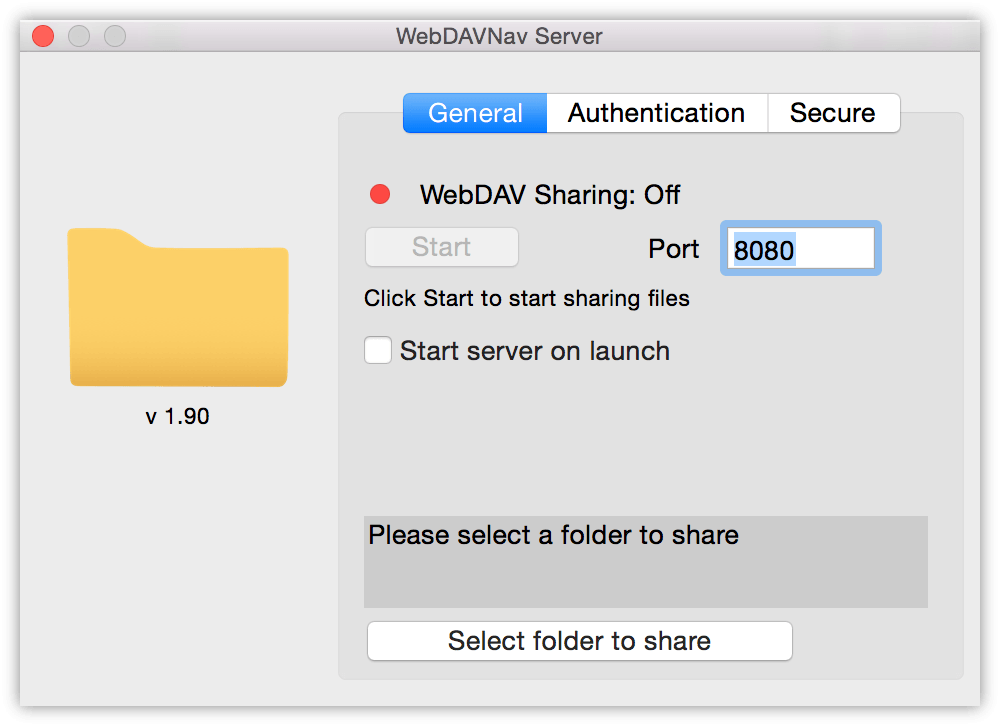
  2. If you want to use a Mac without OS X Server, see Setting Up an OmniFocus Sync Server With WebDAVNav Server which uses the free WebDAVNav Server app which you can download from the Mac App Store.

You can use either of these options to sync your devices on your home network, or even across the Internet if you configure the appropriate ports in your router. If I didn’t use OmniGroup’s server, this would be yet another thing I would host on my Macminicolo machine.

Permalink