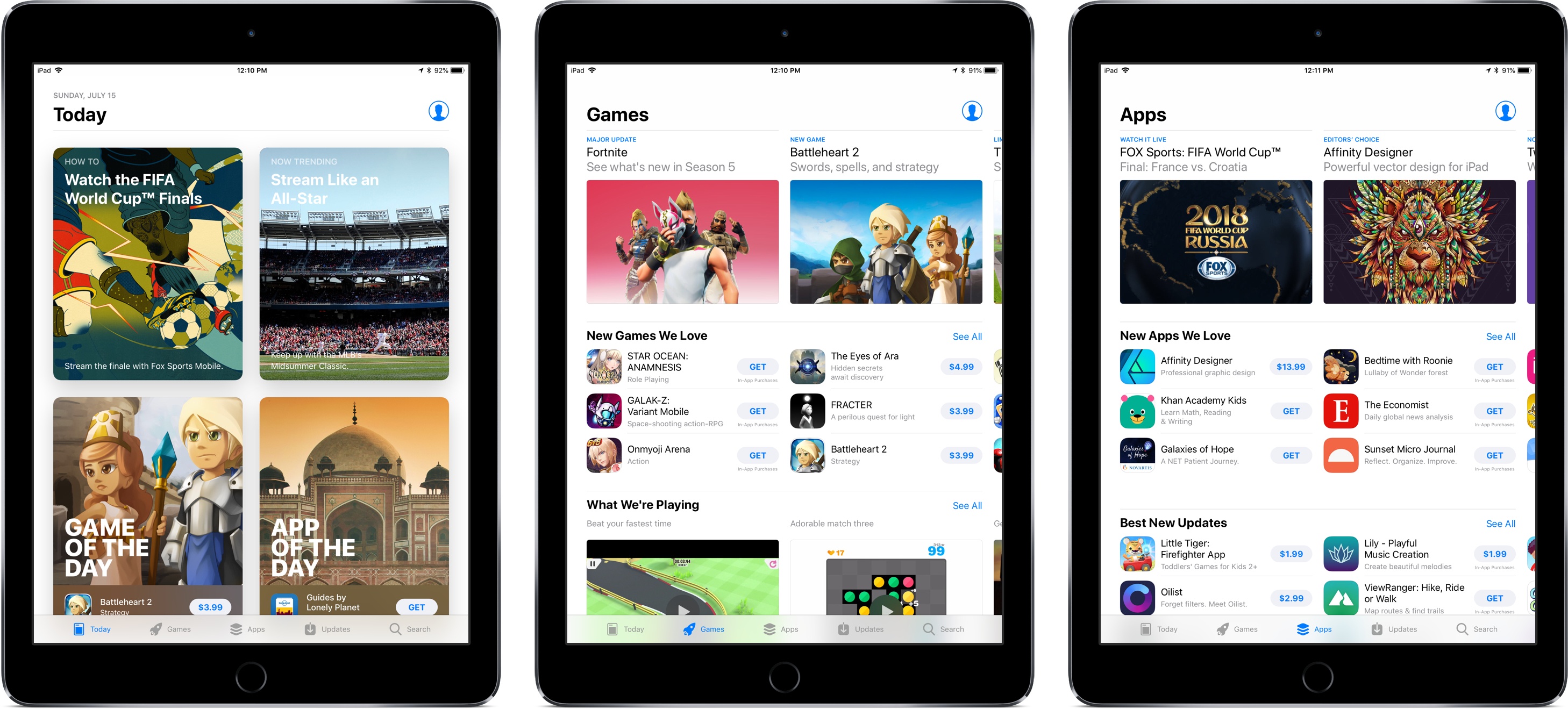
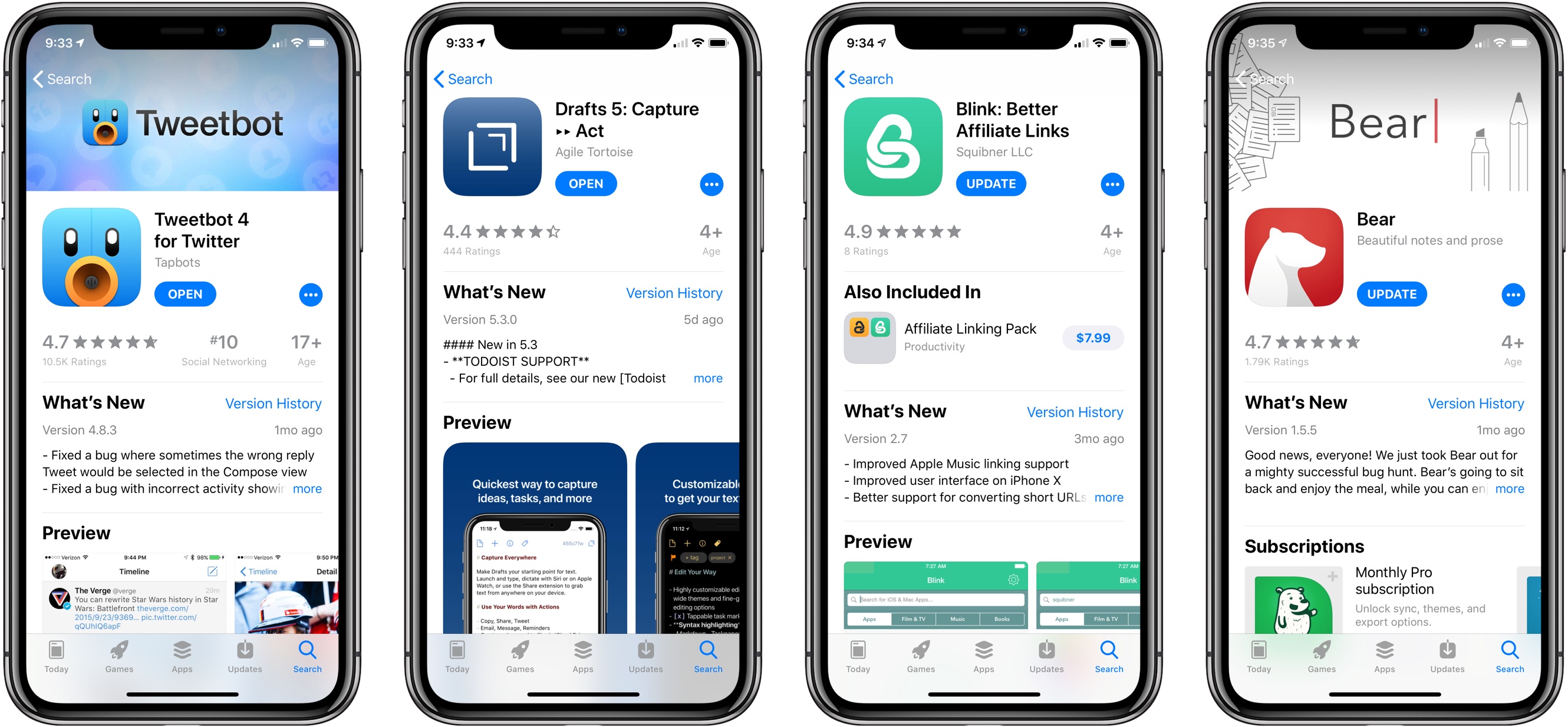
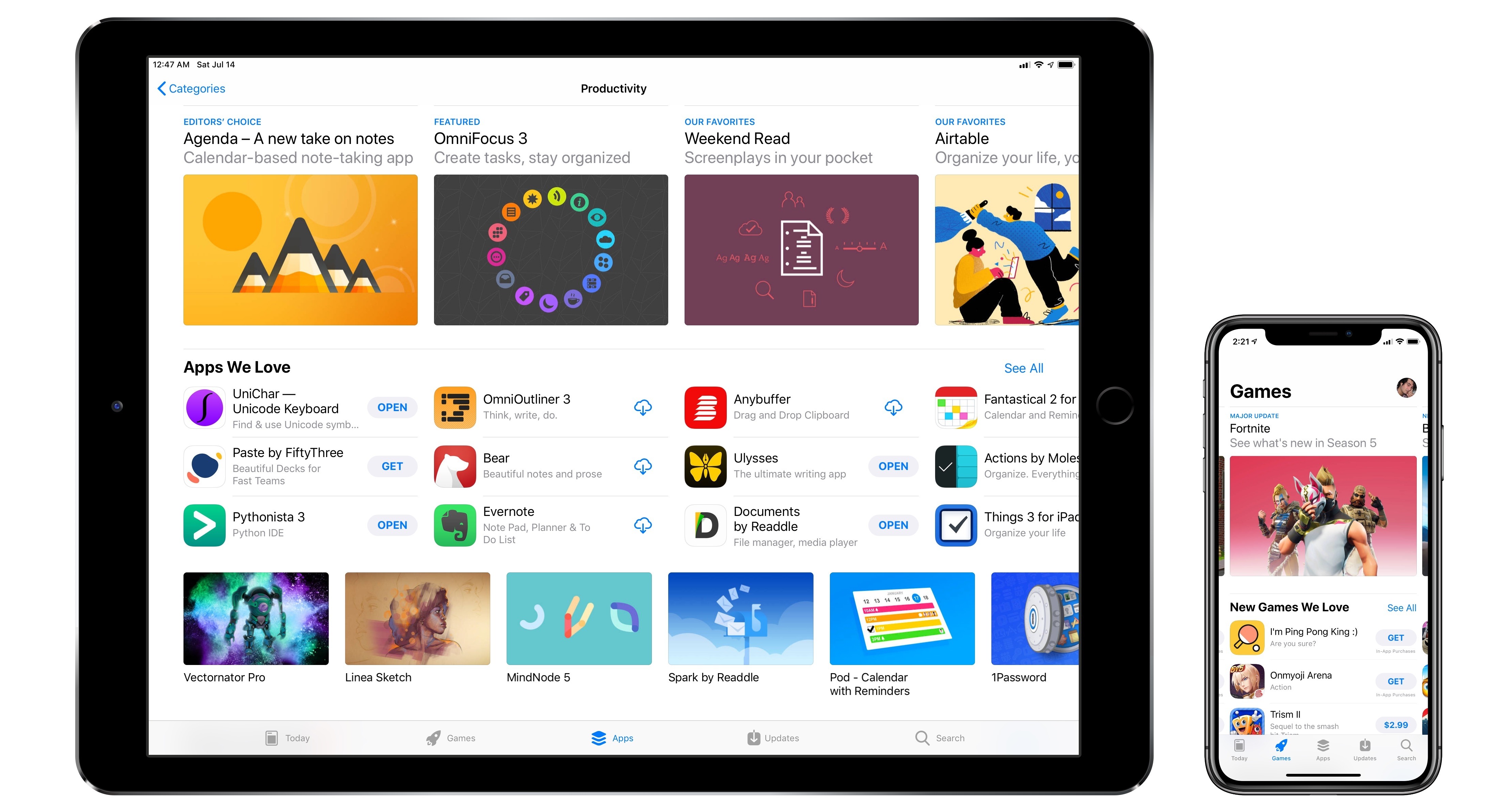
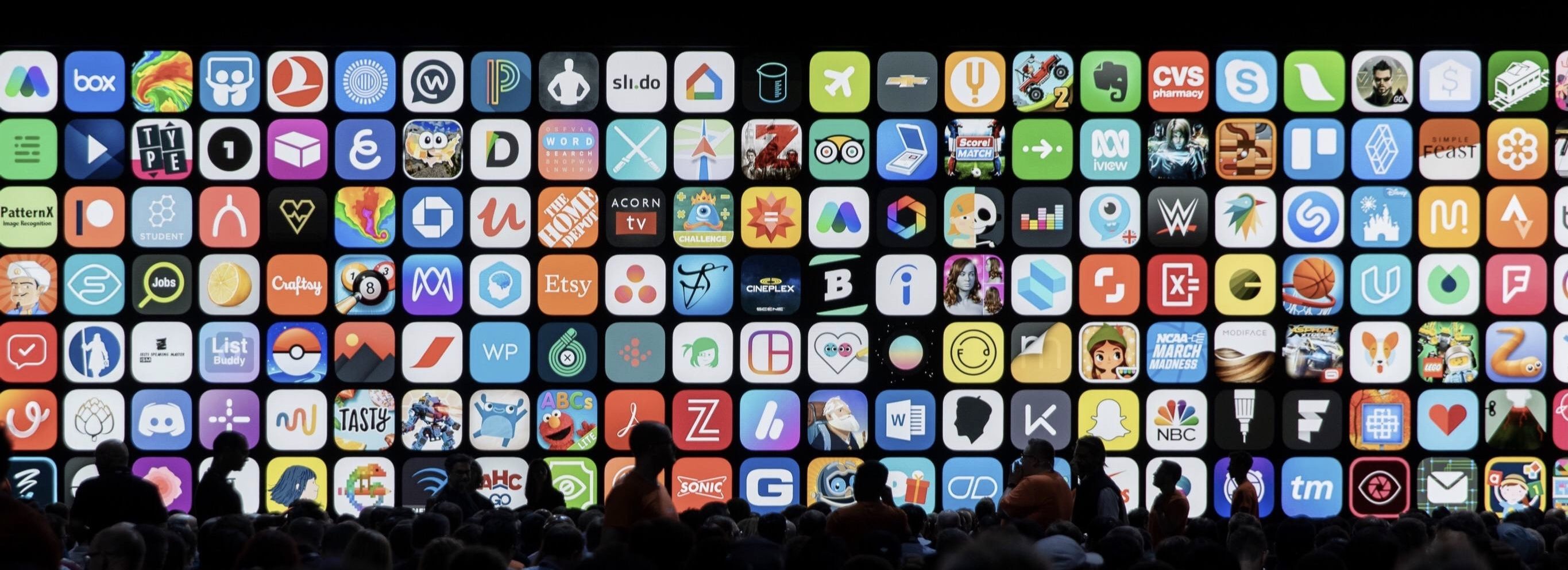
The App Store is a wildly successful product. In 2017 alone it brought Apple somewhere in the range of $11.4 billion, and app developers pocketed $26.5 billion – an increase of 30% over 2016. To kick off 2018, New Year’s Day alone yielded $300 million of App Store purchases. With ever-more Apple devices in the world, the rest of 2018 is sure to end up in the record books.
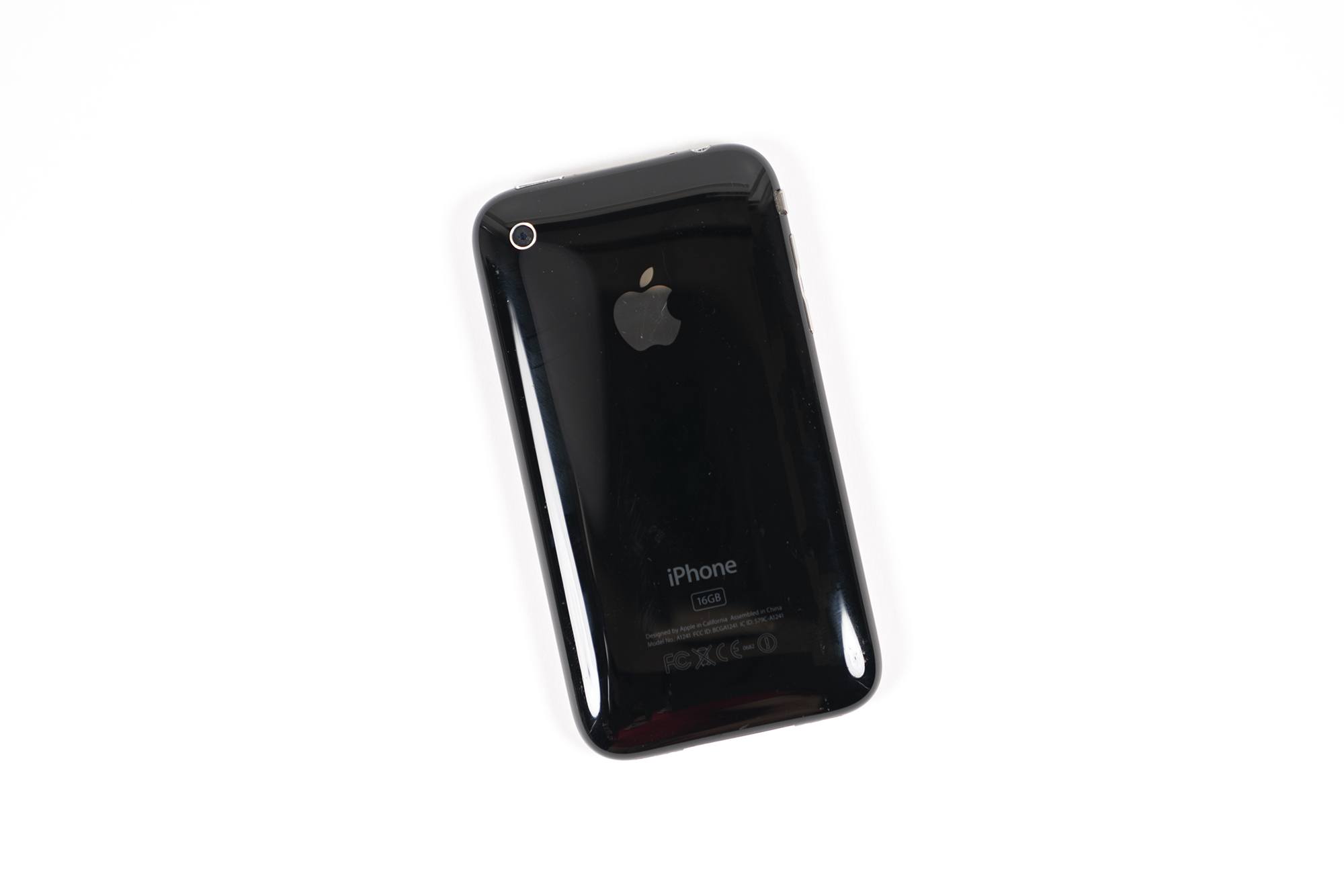
When the App Store first launched in 2008, it was an unproven concept in the software market. Historically when you wanted to download software for your computer, you would usually visit the developer’s website, which handled both the payment and actual download. While it could be argued that smartphones at that time weren’t proper “computers,” the computer designation undoubtedly fit the iPhone. With its powerful operating system built on Mac OS X, the expectation from many developers was that, eventually at least, the device would gain access to native third-party apps through traditional means. Instead, the iPhone – and subsequently, the iPad – has remained a closed platform. And for 10 years now, the App Store has been that platform’s sole gatekeeper.
Apple’s vision for the App Store has always been driven by privacy and security. Rather than sending users out to a host of unvetted websites to find software that may or may not be what it claims, the App Store was a single unified market for approved, malware-free software to live. As a user, you could download any app in the confidence that it wouldn’t be able to bring harm to your device – and you could do so without providing your credit card details to anyone but Apple.
Apple created and has maintained the safety of its closed platform thanks to its thorough review procedures and guidelines. Every app on the App Store must follow Apple’s rules, which for the most part is widely accepted as a good thing. If an app’s aims are nefarious, it should be rejected by Apple and, hence, not allowed in public view. However, throughout the App Store’s life, there have regularly been controversial app rejections that stirred up the Apple community. Here are a few of those controversies.
Read more