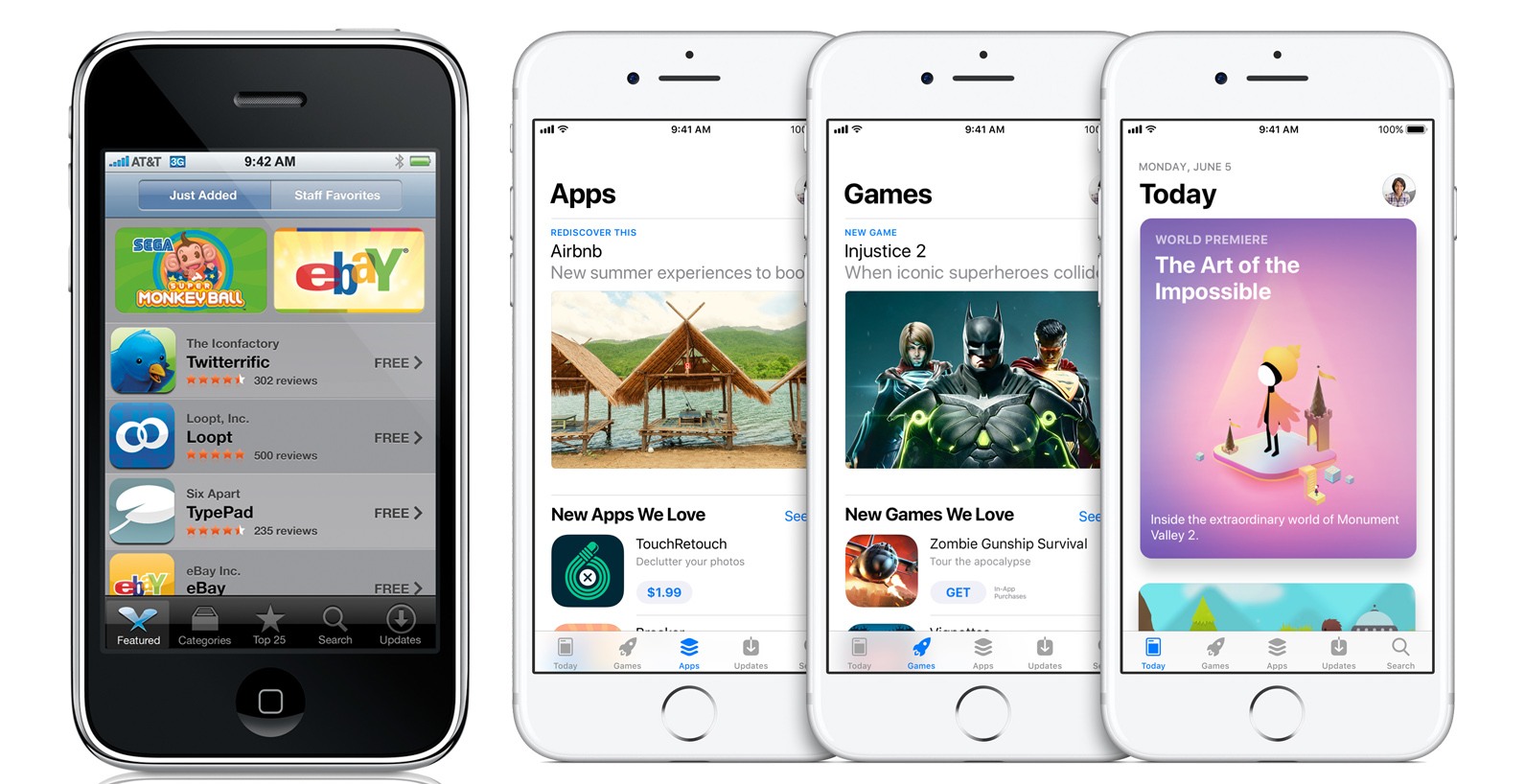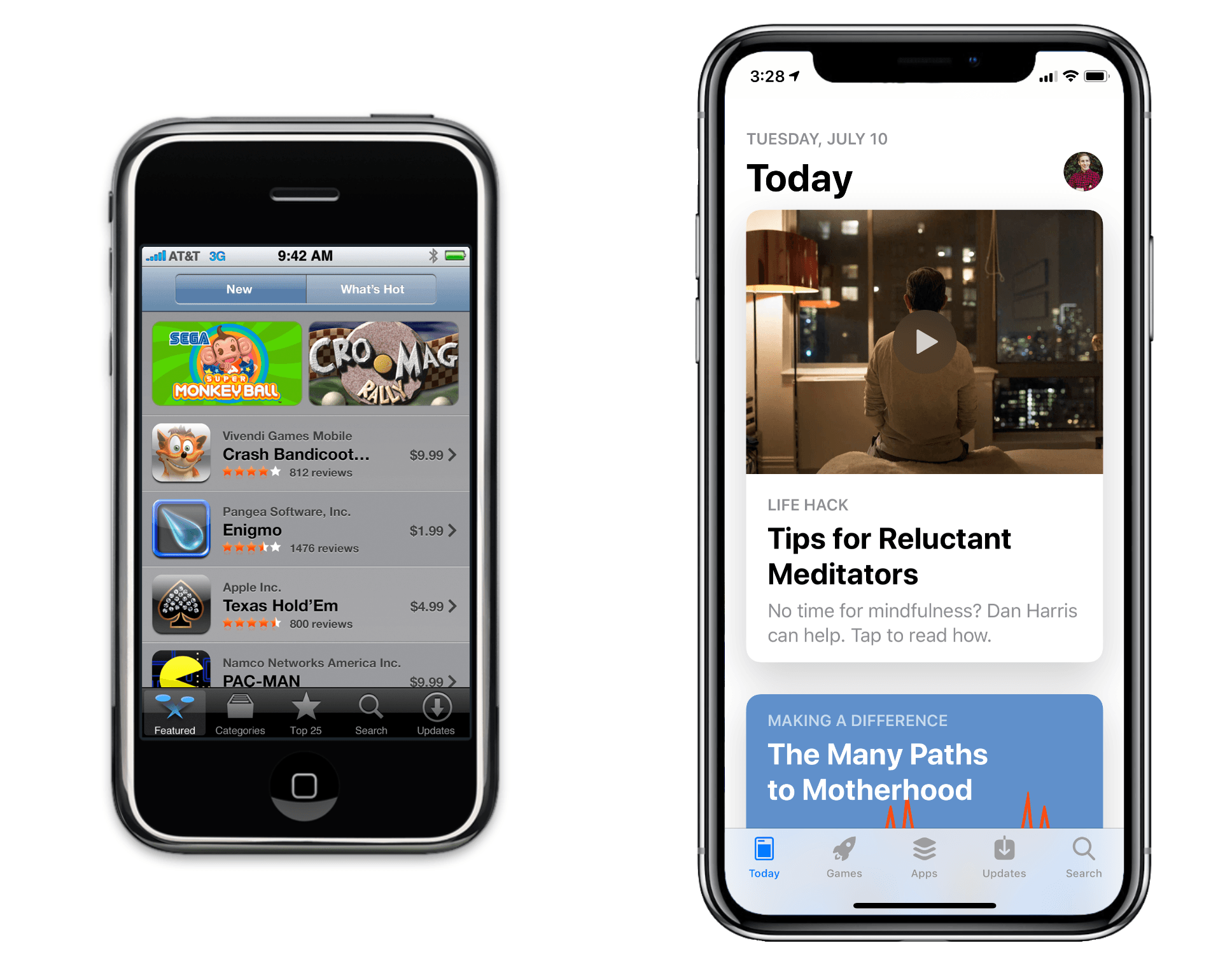
The case for native third-party apps on the iPhone was apparent immediately. By creating a device that blends into the background – with functionality entirely driven by software – Apple built a mobile computing platform that could become anything, so long as there was an app to drive the experience. The idea that the iPhone might be limited to a handful of stock Apple apps felt like a horrible waste to developers who were hungry to build their own apps.
When developers arrived in San Francisco for WWDC in 2007, they were eager for news of a native iPhone SDK. Instead, Scott Forstall took the stage and introduced iPhone web apps as Apple’s ‘sweet solution’. It didn’t go over well.
Fortunately, Apple’s flirtation with web apps was short-lived. By the fall of 2007, Steve Jobs confirmed that the company was working on an iPhone SDK for third-party developers, which was released in March 2008.
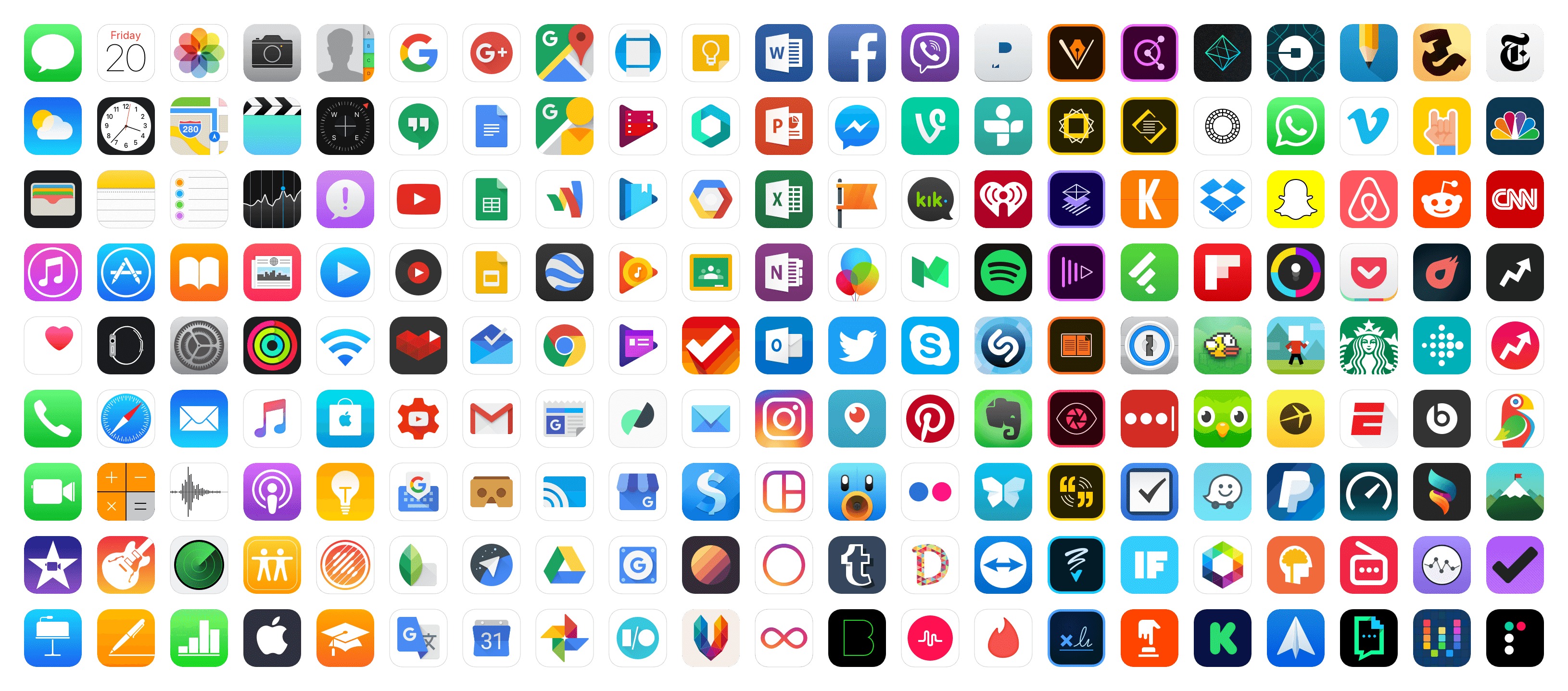
About four months later, the App Store launched on July 10, 2008, with around 500 apps. Ten years later, the Store offers over 2.1 million. Of course, a lot has happened in between too:
- 2008: The App Store was launched with roughly 500 free and paid apps and games.
- 2009: In-App Purchases were added for paid apps, followed by free apps a few months later.
- 2010: Apple launched its iAd in-app advertising platform.
- 2013: By its 5th anniversary, the App Store featured over 900,000 apps.
- 2015: Apple Senior Vice President Phil Schiller took over responsibility for the App Store.
- 2016: Apple expanded the categories of apps that can use auto-renewing subscriptions, discontinued iAd, and launched a search ads program. Free, time-limited In-App Purchases were also used for the first time to approximate free trials of apps.
- 2017: Apple redesigned the App Store with daily editorial content.
- 2018: As of WWDC, the App Store offered over 2.1 million apps and had paid developers over $100 billion in 10 years.
It’s hard to overstate the meteoric growth of the App Store as a marketplace. Over the course of a decade, the App Store’s history has been dominated by rapid growth and constant change that’s been highlighted by spectacular successes, failures, and controversies. Nowhere has that change been more pronounced than the economics of the App Store. It’s a story that has had a profound effect on the way software is sold and how users relate to the apps they use.