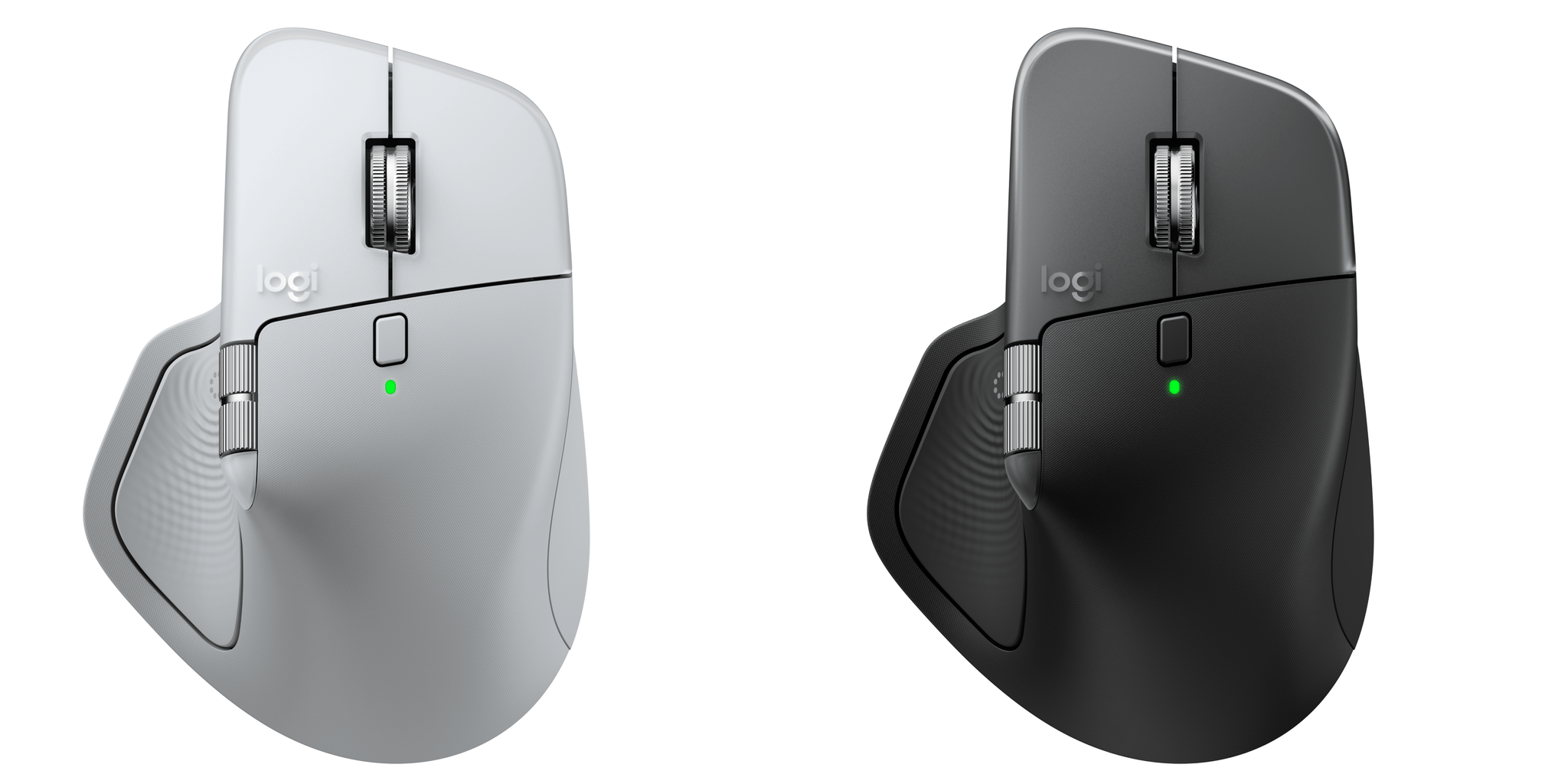
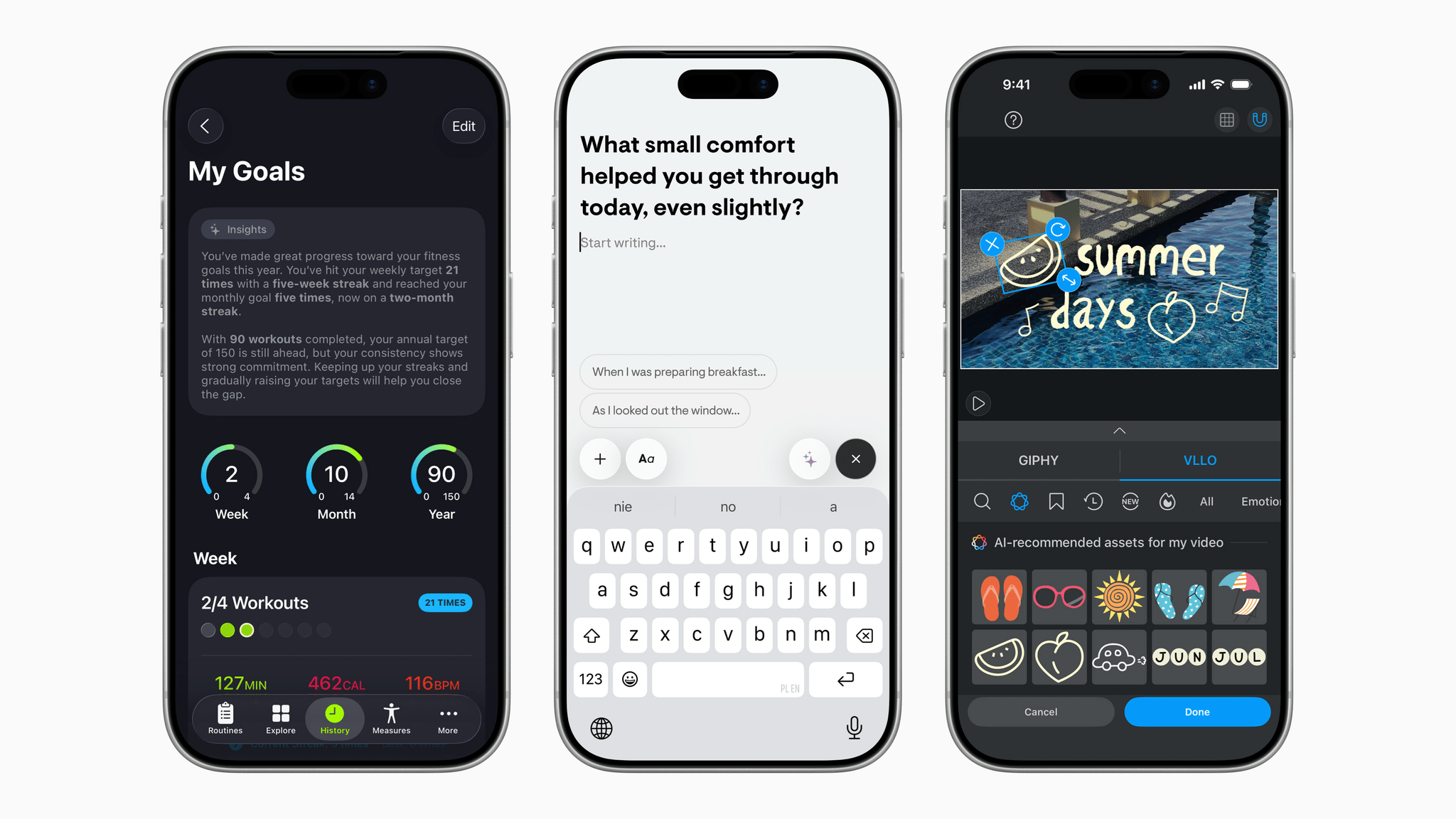
This Week's Sponsor:

Turbulence Forecast

Know before you go. Get detailed turbulence forecasts for your exact route, now available 5 days in advance.


Philips Hue Adds Flexibility to the Play Line with New Wall Washer Lights

For the past couple of weeks, I’ve been testing a pair of Philips Hue Play wall washer lights along with a Play HDMI sync box 8K that the company sent me to test. The wall washer lights are a new and interesting approach to accent lighting for the Hue Play line that I like a lot, but they also come with a premium price tag, so it’s worth taking a close look at what they offer.

Philips Hue's Play wall washer lights. Source: Philips Hue.

Philips Hue’s Play wall washer lights. Source: Philips Hue.

I’ve been using Philips Hue Play lights for a while. I have two Play gradient light tubes in my office; one sits behind a shelf on my desk, providing a backlight to my work environment, while the other is on the top of a tall bookshelf, illuminating what would otherwise be a dark corner of the room. I typically set them to a natural light color using Adaptive Lighting in Apple’s Home app, but they can do fancy gradient colors, too, which can be a fun way to mix things up.

A more traditional Play wall washer setup than mine. Source: Philips Hue.

A more traditional Play wall washer setup than mine. Source: Philips Hue.

But the downside of tube lights is that they take up a lot of horizontal space. That’s where the new wall washer lights come in. They’re cylindrical with a vertical and angled slice taken out of one side, which is where the LEDs are located. Most notably, though, at around six inches tall by a little more than three inches wide, the wall washers work in a much wider variety of places than tube lights. That compact footprint has been perfect for fitting behind my TV, where I’ve already crammed gaming consoles, a Wi-Fi router, and other gear.

Other highlights of the Hue Play wall washers include:

  • ColorCast, Philips Hue’s term for the way the wall washers generate highly saturated multi-colored gradients,
  • 1035 lumens of light, which is impressive for such a small device, and
  • the ability to display white light in a wide 2000–6500 Kelvin range.

The Play wall washers require a Hue Bridge and are compatible with HomeKit, allowing you to use either the Hue app or the Home app to turn them on and off, dim them, and change their colors.

Read more


Who Is Liquid Glass For?

The Iconfactory’s Craig Hockenberry had an interesting post over the weekend on Furbo.org that struck a chord with me. The post explores the ‘why’ surrounding Liquid Glass contrasting the upcoming iOS 26 changes with the transition from iOS 6 to iOS 7. That earlier change was driven by a need to make app design accessible to more people, which, as Hockenberry explains, seems different from the motivation behind Liquid Glass:

I’m unaware of anyone outside of Apple who’s thinking “we really need to have more fluid glass in our designs”. Of particular note during the introduction is how much time they spend showing off glass blocks and talking about the physical effect itself. While not addressing the most important question: “why do we need this?”

And I’m pretty sure the answer is “we don’t”. The answer is “Apple does.”

Hockenberry thinks the switch to Liquid Glass is being driven by unreleased hardware very much like the iOS 11 safe areas that were instituted before the iPhone X’s notch and Home indicator debuted. It’s a great theory that could easily have people facepalming in the not-too-distant future. I hope he’s right.

Permalink

The iOS 26 Features Not Coming to Older iPhones

Source: Apple.

Source: Apple.

Each fall’s major iOS update and its accompanying set of new features have become a staple of the iPhone user experience. iPhone owners – even those who don’t keep up with all the latest Apple news – expect and anticipate these enhancements every year. However, for those who aren’t on the latest-generation devices, it may not always be clear which of this year’s new features you’ll have access to. Even if a device supports iOS 26, that doesn’t necessarily mean it will be able to run every system feature.

To save you from having to comb through a bunch of footnotes on Apple’s website or, worse, wait until this fall to find out which capabilities your device will support, I’ve compiled a list of all the iOS 26 features that are limited to newer iPhones. Here’s what you can expect based on the model you’re using.

Read more


Rogue Amoeba: Powerful Audio Tools for Your Mac [Sponsor]

The folks at Rogue Amoeba are back to sponsor MacStories this week. If you’re not already familiar with them, they’ve been notable makers of powerful audio tools for your Mac since 2002. From professionals to hobbyists to everyday consumers, they’ve got tools to help you with audio.

It’s a cinch to make recordings with the flagship product Audio Hijack, which can now even transcribe audio.

Or, take advantage of SoundSource to gain volume control for each app playing audio on your Mac, as well as the power to apply audio effects and even redirect playback to different devices.

If you want to enhance your microphone’s capabilities, Loopback is the perfect tool. With its virtual audio devices, you can combine app audio and your microphone seamlessly, then bring it into Zoom or any other voice chat app. You can even pair Loopback with the Mac’s best soundboard app, Farrago, to add sound effects or background audio to calls and recordings.

Rogue Amoeba offers free trials for all their apps, and you can set them up in seconds. And if you’re running Apple’s beta OS, you’ll be happy to know Rogue Amoeba’s apps already work on Tahoe.

As a MacStories reader, you can save 20% on any purchase through the end of August by using discount code STORIES2508. Visit their store to get started.

Our thanks to the folks at Rogue Amoeba for sponsoring MacStories this week.


Podcast Rewind: A Big Ball and The Buccaneers

Enjoy the latest episodes from MacStories’ family of podcasts:

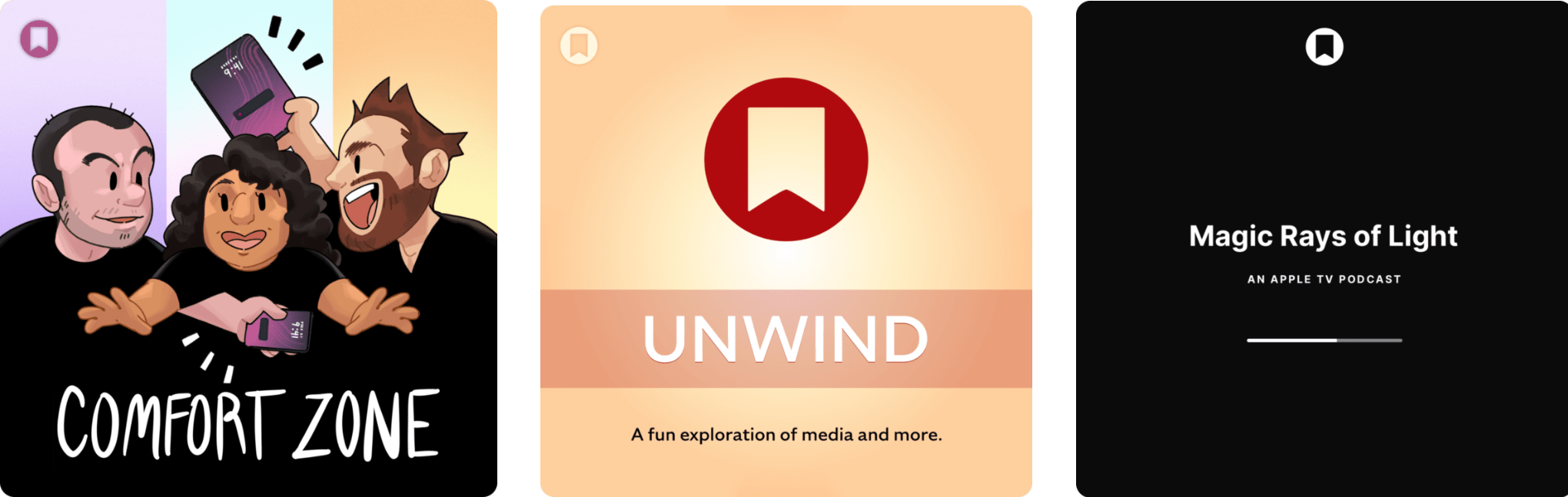
Comfort Zone

Matt wonders why there are so many face computers, Niléane has an awesome podcast app update, and Chris figures out which of two compelling pitches he gets to buy.


Magic Rays of Light

Sigmund and Devon break down the variations in video and audio quality across streaming and recap the second season of The Buccaneers.

Read more


Apple Announces Redesigned Blood Oxygen Feature for U.S. Watch Market

Source: Apple.

Source: Apple.

Since 2023, Apple has been locked in a dispute with Masimo over patents related to the Apple Watch’s Blood Oxygen feature. That meant for more than 18 months, Apple Watches in the U.S. were sold without Blood Oxygen monitoring.

Today, the company announced that:

Apple will introduce a redesigned Blood Oxygen feature for some Apple Watch Series 9, Series 10, and Apple Watch Ultra 2 users through an iPhone and Apple Watch software update coming later today.

The update doesn’t affect watches in the U.S. that already had Blood Oxygen feature or watches sold elsewhere in the world.

According to Apple, today’s update was enabled by a recent U.S. Customs ruling, and:

Following this update, sensor data from the Blood Oxygen app on Apple Watch will be measured and calculated on the paired iPhone, and results can be viewed in the Respiratory section of the Health app.

It’s good to see the Blood Oxygen feature returning to all Apple Watches, and not just future hardware releases. It will be interesting to see how the redesigned feature, which requires an iPhone, compares to the original feature that is no longer available in new hardware.


Cassette: A Video Time Machine

Devin Davies, the developer of Crouton whom Federico and I interviewed after he won an Apple Design Award in 2024, has released a new app called Cassette. It’s an app for browsing videos from the photo library on your iPhone or iPad that has a fun design twist.

Leaning heavily into the nostalgia of watching old videos of friends and family, Cassette sorts your videos using a VCR metaphor. Videos are organized by year and by collection, with video cassette art and a label identifying each. At the top of the screen is an old CRT TV with a built-in VCR. Tap a year or collection, and it loads into the TV with satisfying haptic feedback on the iPhone.

Videos running full-screen.

Videos running full-screen.

Tap the virtual TV, and the video goes full-screen with date and location data that’s reminiscent of a VCR’s UI. While watching videos, the app offers standard playback controls along with a shuffle button, buttons to share and favorite videos, and an eject button to return to your video collections.

Videos cycle from one to the next and then loop back to the beginning, where playback continues. You can also swipe through videos TikTok-style, skipping over any you don’t want to watch. Finally, there’s a ‘Take Me Somewhere’ button at the bottom that drops you at a random location in your video collection, eliminating the need to pick something yourself.

Most of the functionality found in Cassette is available in other video players, but that doesn’t make it any less fun or delightful. What sets the app apart is its focus on design and framing. From the drop, Cassette is designed to transport you to the past with its VCR-inspired UI and singular focus on videos, transforming into a sort of handheld time machine.

Cassette is available on the App Store as a free download. Certain features are only available via a $0.99/month or $5.99/year subscription or a $7.99 one-time payment.


Podcast Rewind: The Ideal AI App and Nintendo’s Pricing Changes

Enjoy the latest episodes from MacStories’ family of podcasts:

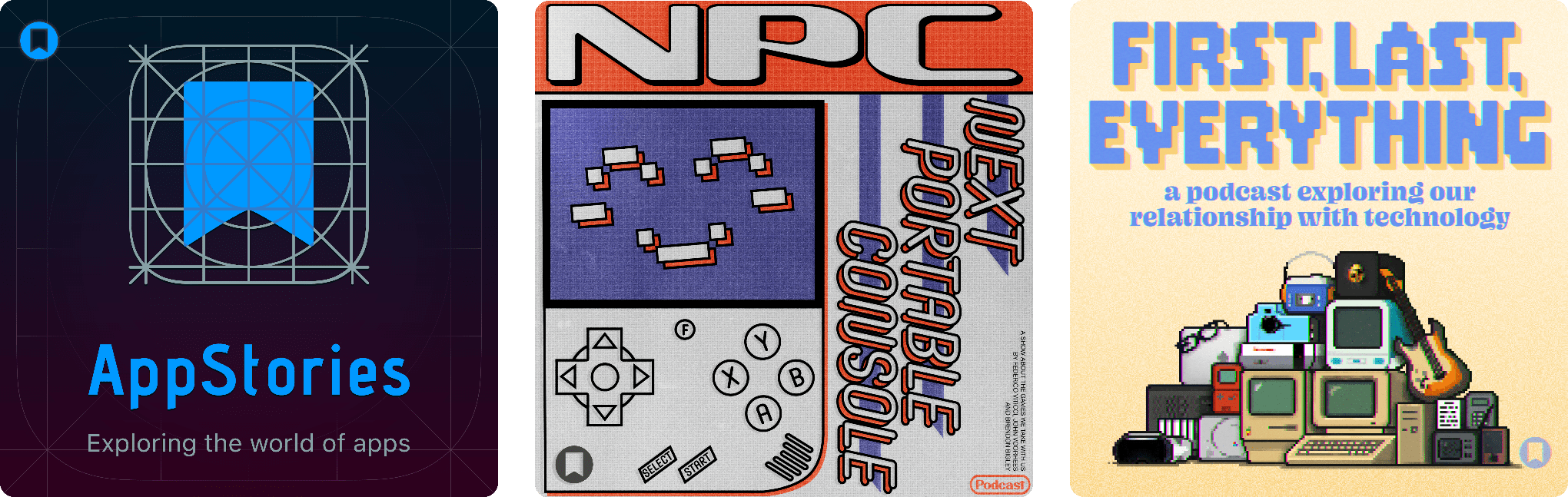
AppStories

This week, Federico and John pick and choose their favorite AI app features to imagine a better AI app future, critiquing the leading LLM apps along the way. And as a bonus, John explains why read-later apps should support Shortcuts and other automation schemes.

On AppStories+, the critique continues with a look at how Todoist could be improved.

This episode is sponsored by:

  • Factor – Healthy, fully-prepared food delivered to your door. Use code appstories50off

NPC: Next Portable Console

This week, Brendon and John mind the show while Federico is on vacation, covering Nintendo’s pricing changes, the latest on Retroid’s second screen accessory, the TrinketOS Android front end, Manic EMU for iOS, and more.

Then, for Patreon members, John and Brendon share what they’d like to see from a Steam Deck 2 and consider the intersection of No Phone Summer and retro handhelds.

Read more


Claude’s Chat History and App Integrations as a Form of Lock-In

Earlier today, Anthropic announced that, similar to ChatGPT, Claude will be able to search and reference your previous chats with it. From their support document:

You can now prompt Claude to search through your previous conversations to find and reference relevant information in new chats. This feature helps you continue discussions seamlessly and retrieve context from past interactions without re-explaining everything.

If you’re wondering what Claude can actually search:

You can prompt Claude to search conversations within these boundaries:

  • All chats outside of projects.
  • Individual project conversations (searches are limited to within each specific project).

Conversation history is a powerful feature of modern LLMs, and although Anthropic hasn’t announced personalized context based on memory yet (a feature that not everybody likes), it seems like that’s the next shoe to drop. Chat search, memory with personalized context, larger context windows, and performance are the four key aspects I preferred in ChatGPT; Anthropic just addressed one of them, and a second may be launching soon.

As I’ve shared on Mastodon, despite the power and speed of GPT-5, I find myself gravitating more and more toward Claude (and specifically Opus 4.1) because of MCP and connectors. Claude works with the apps I already use and allows me to easily turn conversations into actions performed in Notion, Todoist, Spotify, or other apps that have an API that can talk to Claude. This is changing my workflow in two notable ways: I’m only using ChatGPT for “regular” web search queries (mostly via the Safari extension) and less for work because it doesn’t match Claude’s extensive MCP support with tools; and I’m prioritizing web apps that have well-supported web APIs that work with LLMs over local apps that don’t (Spotify vs. Apple Music, Todoist vs. Reminders, Notion vs. Notes, etc.). Chat search (and, again, I hope personalized context based on memory soon) further adds to this change in the apps I use.

Let me offer an example. I like combining Claude’s web search abilities with Zapier tools that integrate with Spotify to make Claude create playlists for me based on album reviews or music roundups. A few weeks ago, I started the process of converting this Chorus article into a playlist, but I never finished the task since I was running into Zapier rate limits. This evening, I asked Claude if we ever worked on any playlists, it found the old chats and pointed out that one of them still needed to be completed. From there, it got to work again, picked up where it left off in Chorus’ article, and finished filling the playlist with the most popular songs that best represent the albums picked by Jason Tate and team. So not only could Claude find the chat, but it got back to work with tools based on the state of the old conversation.

Resuming a chat that was about creating a Spotify playlist (right). Sadly, Apple Music doesn't integrate with LLMs like this.

Resuming a chat that was about creating a Spotify playlist (right). Sadly, Apple Music doesn’t integrate with LLMs like this.

Even more impressively, after Claude was done finishing the playlist from an old chat, I asked it to take all the playlists created so far and append their links to my daily note in Notion; that also worked. From my phone, in a conversation that started as a search test for old chats and later grew into an agentic workflow that called tools for web search, Spotify, and Notion.

I find these use cases very interesting, and they’re the reason I struggle to incorporate ChatGPT into my everyday workflow beyond web searches. They’re also why I hesitate to use Apple apps right now, and I’m not sure Liquid Glass will be enough to win me back over.

Permalink