This Week's Sponsor:

SoundSource

New Year, New Audio Setup: SoundSource 6 from Rogue Amoeba


Spelltower+ Review: New Modes and More Resurrect the Classic Word Game

Word game addicts, say goodbye to your family, friends, and productivity: Spelltower is back and better than ever. The newly launched Spelltower+ from Zach Gage and Jack Schlesinger takes the original game, modernizes it for the latest iPhone and iPad screen sizes, adds lots of new game modes, and packs several other key feature enhancements. Whether you’re a longtime Spelltower fan, or the game missed your radar entirely in its glory days, Spelltower+ deserves your attention.

Read more


The Omni Group Shares 2020 Roadmap

As per tradition, The Omni Group has shared its product roadmap for the year ahead. Though these plans are always subject to change, especially pending new OS updates Apple will announce this June, the roadmap still gives a solid idea of where apps like OmniFocus, OmniOutliner, and more are heading.

Included on the roadmap is the launch of OmniPlan 4, expansion of OmniFocus for the Web features, simplifying licensing so you can authenticate your purchases with a sign-in rather than using activation codes, and automation improvements. Check out the full list of planned work here.

One section of the roadmap that stood out to me:

We’re also continuing to improve the flow of using our apps—particularly on iPad and iPhone. We want easy navigation, so everything in the app feels like it’s right at your fingertips—whether your fingertips are using the mouse, touch screen, or a hardware keyboard.

While this is a passing comment in the broader post, it’s also something that many developers fail to consider. Optimizing an app for different platforms, and those platforms’ respective strengths, takes a lot of work and careful thought. Devices like the iPad in particular can suffer from a lack of optimization – do developers optimize for touch input or that of a keyboard? In the age of the iPad Pro and iPadOS, the correct answer is “both.” I look forward to seeing what The Omni Group does in this area.

Permalink

Connected, Episode 279: Like, Zero Bubbles

On this week’s episode of Connected:

This week, the gang reflects on the iPad 10th’s birthday, complains about Google AMP and then reviews Fantastical 3.

You can listen below (and find the show notes here).

AppStories+ Deeper into the world of apps
0:00
01:48:20

Connected, Episode 279

AppStories+ Deeper into the world of apps

Sponsored by:

  • Pingdom: Start monitoring your website performance and availability today, and get instant alerts when an outage occurs or a site transaction fails. Use offer code CONNECTED to get 30% off. Offer expires on January 31, 2021.
  • TextExpander, from Smile: Unlock your productivity with TextExpander. Get 20% off with your first year.
  • Booz Allen: Integrate. Innovate. Get it done with Booz Allen.
Permalink

The New Fantastical Review

The new Fantastical.

The new Fantastical.

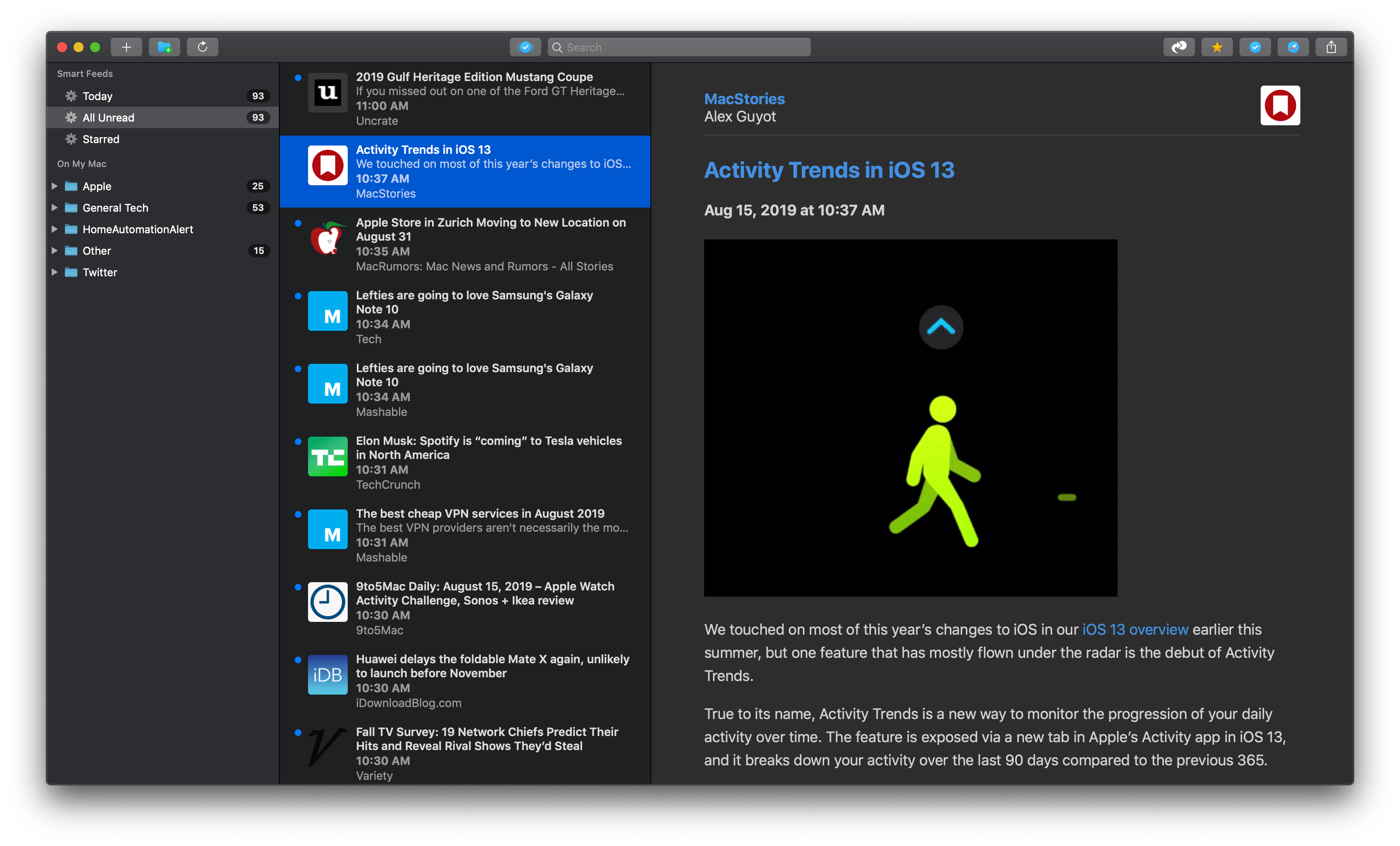
Over six years after the debut of the second major iteration of Fantastical – version 2.0 for iPhone, which I reviewed in October 2013 – Flexibits is introducing a new version of their popular hybrid calendar client/task manager today. The new Fantastical1, available today on the App Store, is a single app that runs on iPhone, iPad, Mac, and Apple Watch.

In many ways, the new Fantastical is a distillation of themes typically found in the modern productivity app scene: the app is free, and the developers have switched to a subscription model to unlock a variety of premium features. Fantastical Premium – the name of the new service – costs $4.99/month or $39.99/year and brings a collection of brand new functionalities, integrations, as well as enhancements to existing features. Users of Fantastical 2, regardless of the platform they were using, get to carry all existing features into the new app for free, and can try the Premium service at no cost for 14 days.

I’ll cut right to the chase: I’ve been using the new Fantastical for the past few months (hence the inclusion in my Must-Have Apps story), and it’s become the only calendar app I need, offering more power and flexibility than any alternative from Apple or the App Store. The free version of the new Fantastical – effectively, Fantastical 2 with a fresh coat of paint and some smaller bonuses – is a capable alternative to Apple’s Calendar app, but the Premium version is where Flexibits’ latest creation truly shines. At $40/year, Fantastical Premium may be a big ask for some users, but as a busy individual who deals with teammates all over the globe and likes Fantastical’s new features, I plan to subscribe.

In addition to the unification of the app across all platforms, design changes, and new premium features, which I will detail below, Flexibits has devised one of the most reasonable, generous upgrade flows from the old, paid-upfront app to the new, subscription-based one I’ve seen to date. There will be backlash from folks who are against subscriptions on principle – a discussion that is beyond the scope of this review – but I believe Flexibits has done a commendable job granting existing users access to all features they’ve already paid for, while replacing Fantastical 2 (the new app is an update over the old version) with something that is faster, visually more attractive, and potentially more useful.

With the new Fantastical, I’ve replaced a series of apps I was using for calendars, calendar sets, and time zones, and integrated everything into a single dashboard, kicking Apple’s Calendar app off my Home screen in the process. Even with a few shortcomings and system limitations, the new Fantastical is, at least for me, the non plus ultra of calendar apps at the moment.

Let’s dig in.

Read more


Portal Review: Immersive Ambient Noise with Philips Hue Integration

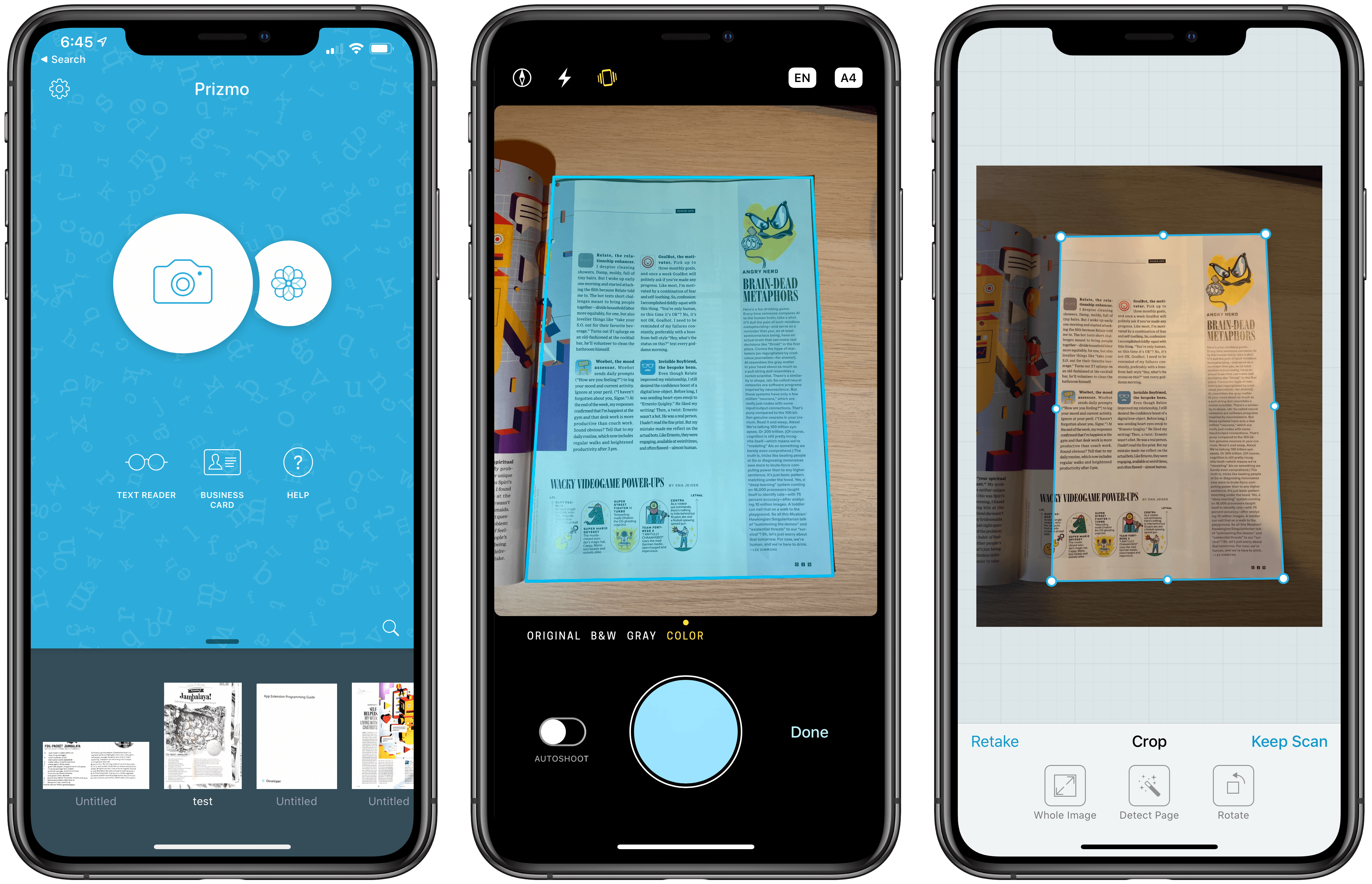
Ambient noise apps exist to help you focus or sleep, primarily. They provide a calming effect and complement mode-switching, whether that’s switching to a specific work project, switching from awake to asleep, or some other purpose. Portal, the ambient noise app that bears no relation to Facebook, works well for these purposes – in fact, focus and sleep are two of the three pillars Portal highlights in its name. However, the third pillar – escape – is what speaks most to the app’s distinct strength.

Portal doesn’t just offer a pleasant soundtrack to work or sleep by. As its name implies, its purpose is more specific and holistic than that, providing an escape portal into another environment entirely. Portal employs 3D soundscapes, Philips Hue integration, and imagination-inspiring visuals to make you truly feel, as much as possible, like you’ve escaped to a new place.

Read more


AppStories, Episode 147 – The Apps That Defined the iPad

This week on AppStories, we look back at the introduction of the iPad ten years ago, the apps announced onstage, and how the iPad’s app story has changed over the past decade.
Sponsored by:

  • Linode – Cloud Hosting and Linux Servers. Get a $20 credit.
  • Health IQ – Insurance for the Health Conscious. Save up to 41%. Take the quiz now to see if you qualify.

https://staging.macstories.net/podcasts/appstories/episodes/147/embed/

Permalink

Apple Q1 2020 Results - $91.8 Billion Revenue

Apple has just published its financial results for Q1 2020. The company posted revenue of $91.8 billion. Apple CEO Tim Cook said:

“We are thrilled to report Apple’s highest quarterly revenue ever, fueled by strong demand for our iPhone 11 and iPhone 11 Pro models, and all-time records for Services and Wearables,” said Tim Cook, Apple’s CEO. “During the holiday quarter our active installed base of devices grew in each of our geographic segments and has now reached over 1.5 billion. We see this as a powerful testament to the satisfaction, engagement and loyalty of our customers — and a great driver of our growth across the board.”

Estimates and Expectations for Q1 2020 and the Year-Ago Quarter (Q1 2019)

Apple’s revenue guidance for Q1 2020 fell between $85.5 billion and $89.5 billion, with gross margin estimated to be between 37.5% and 38.5%.

Going into today’s earnings call, CNBC said:

Analysts are expecting earnings per share of $4.55, up from $4.18 per share from a year ago, according to Refinitiv. Revenue is expected to be $88.5 billion, up year-over-year from $84.3 billion.

In the year-ago quarter (Q4 2018), Apple earned $84.3 billion in revenue.

After the break, we’ve compiled a graphical visualization of Apple’s Q1 2020 financial results.

Read more


Reflections from the iPad’s Original Development Team

Ryan Houlihan at Input has published a new interview with two key members of the team that birthed the iPad 10 years ago. Married couple Imran Chaudhri and Bethany Bongiorno, former Director of Design for the HI team and Software Engineering Director, respectively, reflect widely on the development process behind Apple’s tablet. Two of the most interesting answers had to do with envisioning the future of the iPad, and regrets about its past.

Chaudhri on the device’s future:

I think it’ll be interesting for all of us to watch and see how Apple evolves the iPad. But, you know, I think one of the struggles that customers have with the iPad right now is really trying to figure out what role it plays in terms of a portable class computer. You have a traditional desktop computer or a traditional laptop computer — and where does the iPad fit in? You know, I would hope and I think they would continue to evolve it to a point where the iPad does end up doing a lot more that the Mac [currently] does and that the Mac redefines itself as more of a professional tool and the iPad defines itself as more of a mass consumer computing platform. I think that would be almost like a natural progression.

Bongiorno on a regret:

I would say one regret is that it became really hard after we shipped the iPad to continue to push it forward in the way that I think Imran and myself and others at the company really wanted to. The gravity of the phone was so big — and it still is so big, right? It makes it really hard.

This week as the iPad’s 10 years are celebrated, it’s become a great time to reflect on where the device has come from and where it’s going. I use my iPad all day, every day for work, and love it. However, for the device to realize its fullest potential as a mass-market computer replacement, I think there’s still plenty of work yet for Apple to accomplish.

Permalink