This Week's Sponsor:

Turbulence Forecast

Know before you go. Get detailed turbulence forecasts for your exact route, now available 5 days in advance.


Posts tagged with "HomeKit"

Apple Highlights HomeKit’s Potential on New Webpage

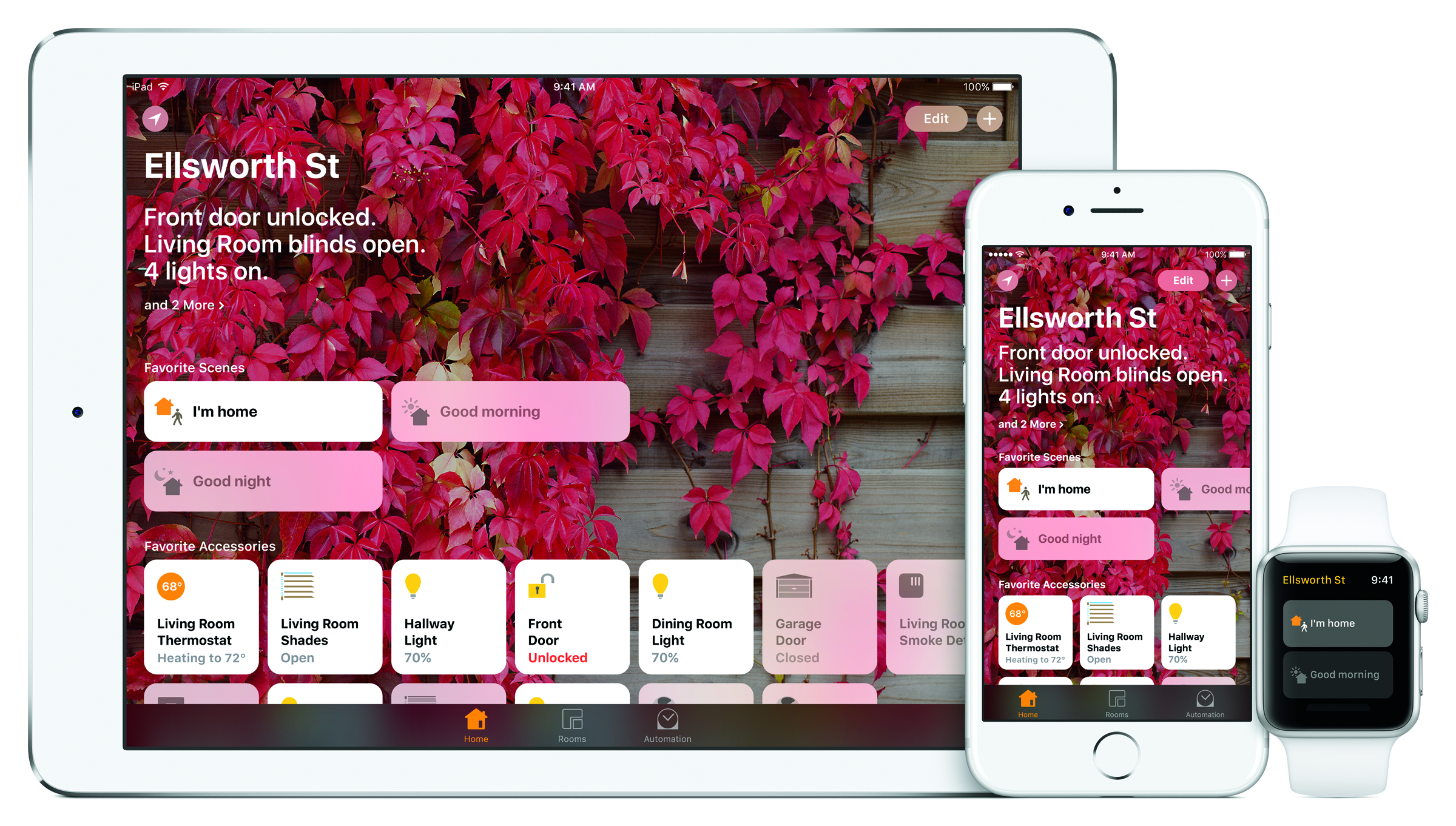
Today Apple’s webpage about HomeKit and the iOS Home app has been completely revamped. It includes a new 45-second video where Siri commands and scenes in the Home app are used to control lights, window shades, door locks, coffee makers, and more. The video highlights how easy and convenient it can be to control smart devices once they’re set up in Home.

Besides the featured video, the new Home-centric page includes sections covering various aspects of the Home platform, such as:

  • Every type of home accessory that is available with HomeKit, with a link to the full list of devices that are either on sale now or have been announced for future release.
  • An explanation of how the Home app organizes devices by different rooms.
  • Short videos showcasing several different scenes that can be set up, like ‘Good Morning’ or ‘I’m Home.’ Each of these features parts of the featured video mentioned above, but with different music.
  • Examples of voice commands that can be used with Siri to control HomeKit devices.
  • A description of the Apple TV’s role as a home hub.
  • Automation’s presence in the Home app as a tool for enabling certain actions automatically.

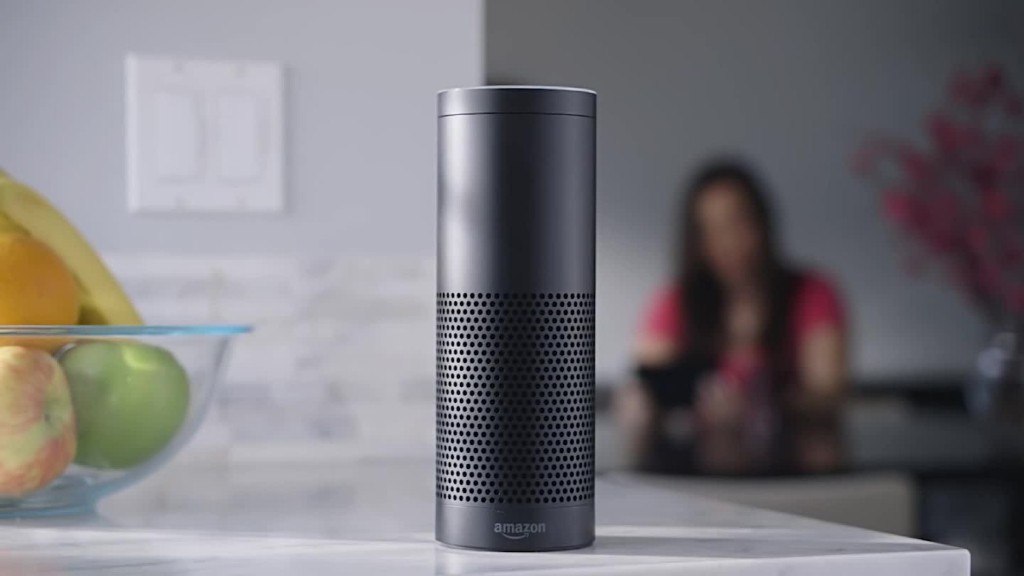
This past year has seen the first major smart home push from Apple since HomeKit’s announcement nearly three years ago, at WWDC 2014. It comes at a time when Amazon’s Alexa is quickly expanding its reach beyond the Echo and into devices of all kinds. It will be interesting to see if any announcements are made at this year’s WWDC to further bolster HomeKit against increased competition.

Permalink

The Battle to Control Home Automation


Reuters reports on the on-going battle among Apple, Amazon, and Google for control of the home automation market. The article focuses on the different approaches taken by Apple and Amazon, which are in stark contrast. Reuters explains what’s at stake for Amazon:

The strategic importance of the “connected home” niche looms large: Amazon wants a way to own its customer interactions -mainly shopping online - without an Apple phone or a Google Web browser as an intermediary.

In contrast to Apple’s relatively slow, security-conscious approach to HomeKit, Amazon has lowered the barrier to entry to Echo support, which has given it a lead over Apple in terms of the number of compatible devices, which may be hard to overtake. Yet,

Amazon acknowledges that unlike Apple, it can’t guarantee the security of third-party devices. A company spokeswoman did note that sensitive commands like unlocking doors have an extra layer of security such as a voice-controlled PIN.

Still, it’s not clear whether Apple’s elaborate but slow-to-develop system will have enough advantages to overcome Amazon’s widening lead.

That’s precisely where things get interesting. Amazon’s strategy has captured device manufacturer support faster, but it’s a risky one. One well-publicized, mainstream security scare story could ruin Amazon’s home automation aspirations. At the same time, if that moment never occurs, the Echo’s lead could effectively bury HomeKit.

Permalink

Apple and Homebuilders Work to Spread HomeKit Adoption

Apple has begun working with large US-based home builders, like Lennar and KB Home, to incorporate HomeKit-enabled systems into newly-constructed homes. HomeKit was introduced with iOS 8. Makers of home automation equipment were initially slow to adopt HomeKit, but it has begun to gain momentum in recent months.

With device manufacturers embracing HomeKit in greater numbers, Bloomberg reports that Apple has turned to large homebuilders to help get those devices into homes. One drag on home automation adoption is cost. As Bloomberg points out, a touchscreen deadbolt lock costs $200 compared to $32 for a traditional lock. Another issue is incorporating smart devices into older homes that were not designed with them in mind. To address both problems, Apple is focusing on new homes:

’We want to bring home automation to the mainstream,’ said Greg Joswiak, Apple’s vice president of product marketing. ‘The best place to start is at the beginning, when a house is just being created.’

By focusing on new construction, the cost of smart devices can be rolled into a homeowner’s mortgage at the time of purchase, making the cost easier to rationalize. New construction also has the advantage that it is easier to design devices into a home when it is built than to retro-fit existing homes.

Permalink