John Voorhees

5429 posts on MacStories since November 2015

John is MacStories' Managing Editor, has been writing about Apple and apps since joining the team in 2015, and today, runs the site alongside Federico. John also co-hosts four MacStories podcasts: AppStories, which covers the world of apps, MacStories Unwind, which explores the fun differences between American and Italian culture and recommends media to listeners, Ruminate, a show about the weird web and unusual snacks, and NPC: Next Portable Console, a show about the games we take with us.

Techmeme Ride Home, iPhone Event Debrief with John Voorhees of MacStories

On today’s weekend interview episode of Techmeme Ride Home, I was interviewed by Brian McCullough all about this week’s Apple event. We discussed the backlash against Apple events, how the company’s keynotes are evolving into something more than a showcase for iPhones, and then dove into all the new hardware and services announced.

As always, it was a pleasure to dig into the details as well as the big-picture implications of the week’s news with McCullough. You can find the episode on Apple Podcasts.

Permalink

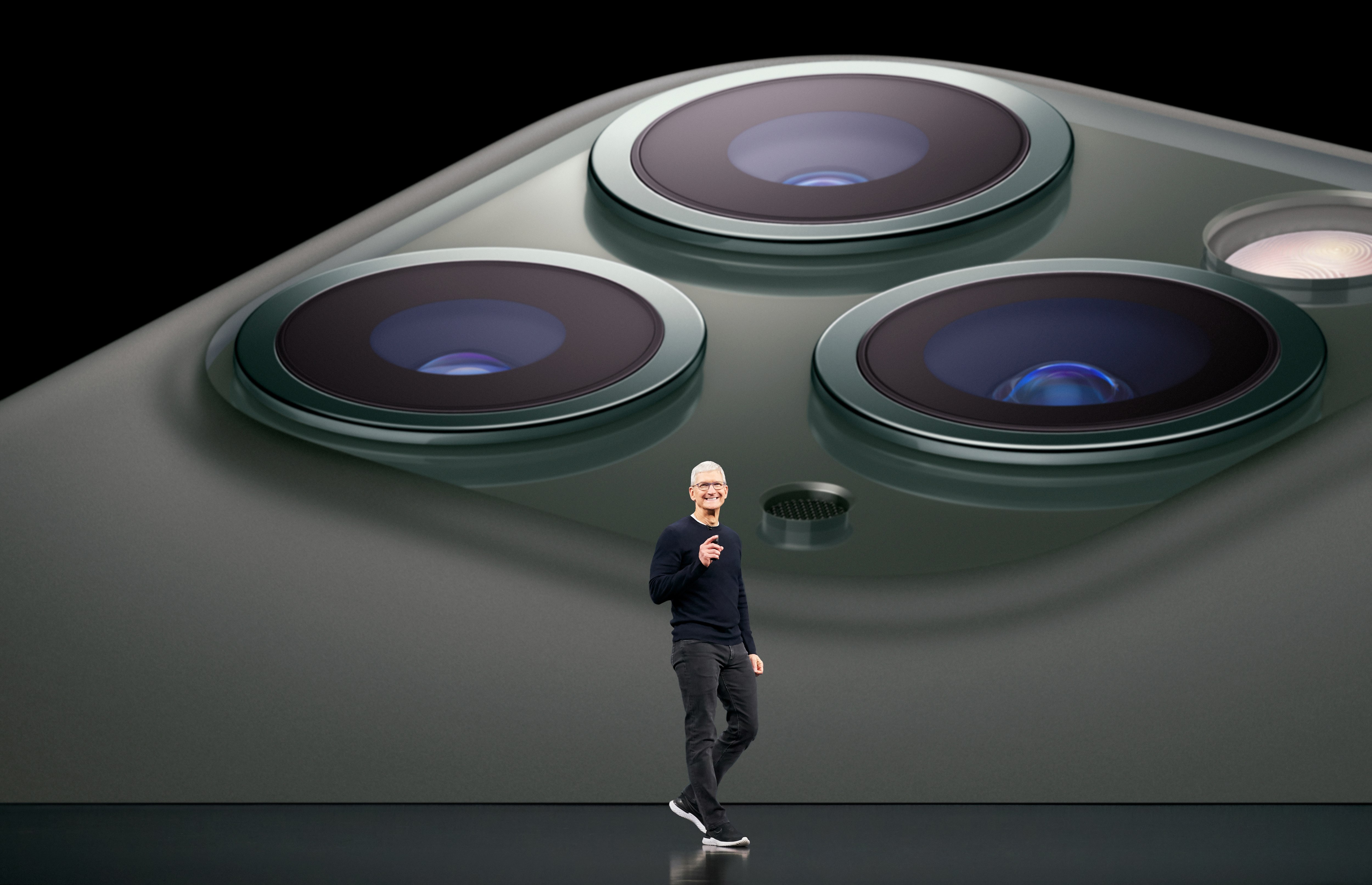
The Potential of the iPhone 11’s Ultra Wideband U1 Chip

A feature of the iPhone 11 and 11 Pro that didn’t get stage time this week was Apple’s new U1 chip, which adopts the relatively new Ultra Wideband wireless technology. The UWB Alliance, an industry trade group, describes the technology as follows:

UWB is a unique radio technology that can use extremely low energy levels for short-range, high-bandwidth communications over a large portion of the radio spectrum. Devices powered by a coin cell can operate for a period of years without recharge or replacement. UWB technology enables a broad range of applications, from real-time locating and tracking, to sensing and radar, to secure wireless access, and short message communication. The flexibility, precision and low-power characteristics of UWB give it a unique set of capabilities unlike any other wireless technology.

For now, all Apple has said is that the U1 chip will permit users to point an iPhone 11 at another iPhone 11 and “and AirDrop will prioritize that device so you can share files faster.” However, the same iPhone 11 Pro preview page also notes that the U1 is “going to lead to amazing new capabilities.” In light of recent rumors that Apple is developing a hardware tag for tracking your belongings, it’s not hard to imagine at least one application that the company probably has in mind. However, Tile-like item tracking is just the tip of the iceberg.

Over on Six Colors, Jason Snell has dug deeper into UWB technology. Snell spoke to Mickael Viot, the VP of marketing at UWB chipmaker Decawave, to better understand other use cases for UWB:

But the possible applications of UWB go way beyond AirDrop and tracking tags. Decawave’s Viot says potential applications include smart home tech, augmented reality, mobile payments, the aforementioned keyless car entry, and even indoor navigation. (And it’s not a power hog, either—Viot says that Decawave’s latest UWB chip uses one-third of the power of a Bluetooth LE chip when in beacon mode, as a tracking tile would be.)

It’s interesting to consider what UWB could enable, especially inside the home. Apple will expand the automation capabilities of NFC tags, which are useful for home automation setups, in iOS and iPadOS 13.1. However, NFC tags still need to be scanned to trigger actions. UWB has the potential to go well beyond NFC by using spatial awareness and presence to expand how we interact and automate all sorts of smart devices.

Permalink


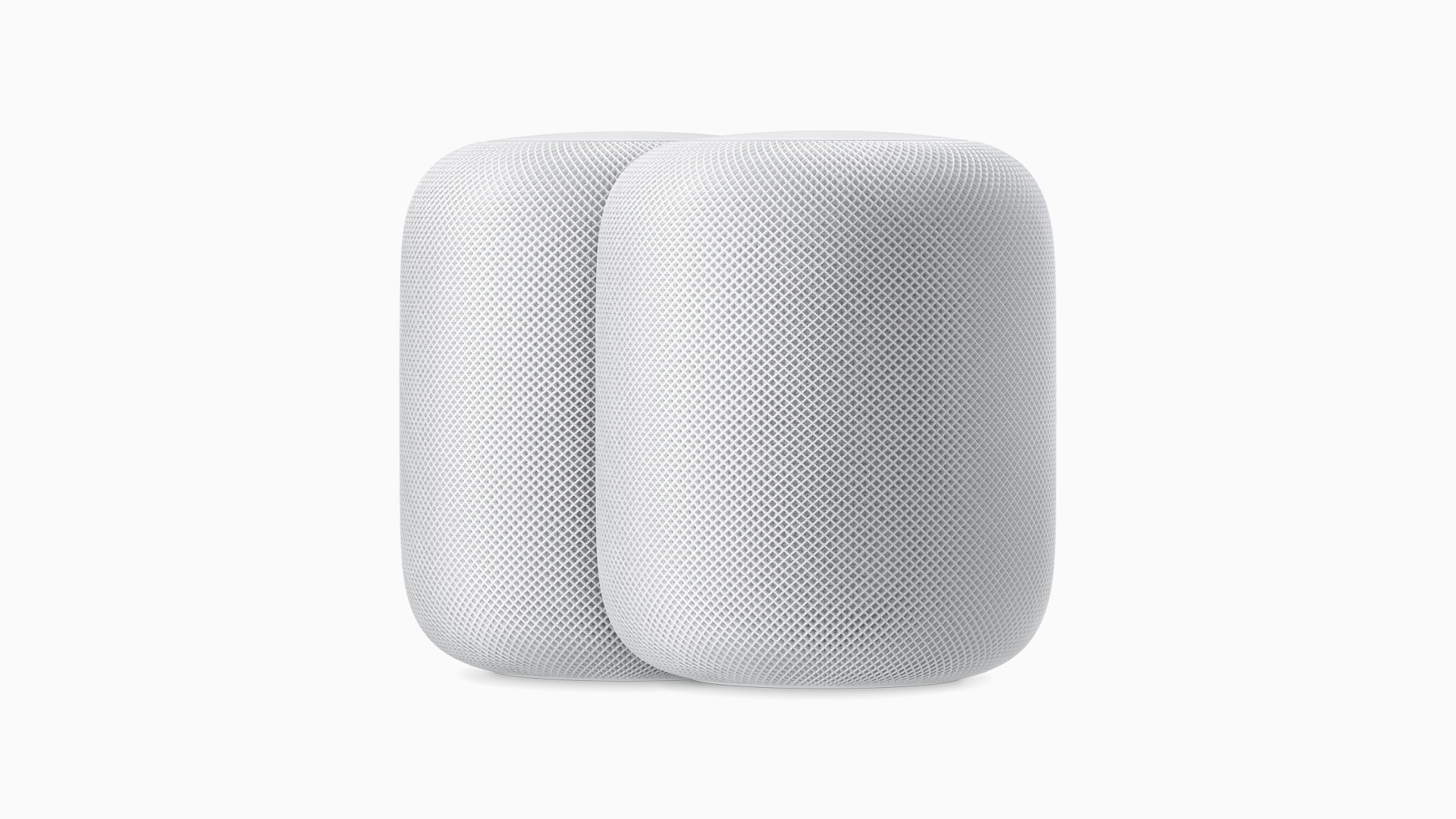
New HomePod Details Emerge

The HomePod was conspicuously absent from yesterday’s Apple keynote. However, the company has quietly updated the HomePod’s product page with new details, as spotted by Benjamin Mayo of 9to5Mac.

According to Mayo,

Firstly, the radio stations feature is launching on HomePod on September 30. However, the previously-announced multi-user support and the music handoff features are not coming in September. Apple simply says ‘later this fall’. They also teased a new white noise mode that they hadn’t talked about before…

The new Ambient Sounds feature will allow users to play sounds including “ocean waves, forest birds, rainstorms, and more.”

Although Apple doesn’t say so, the September 30th timing for radio station support suggests that the feature is dependent on the release of iOS and iPadOS 13.1, which is due for release that same day. The company’s OS release schedule is far more complicated this year than in the recent past. For those interested in all the product launch and OS update release dates, we’ve collected a complete list of all dates on MacStories.

Permalink

New iPhone Cases Join a New Lineup of Apple Watch Bands

The new iPhones and Apple Watch Series 5 won’t arrive on your doorstep for a little while yet, but you can order iPhone cases today for delivery September 13th and admire them until your new hardware arrives. Many Watch bands will be available on September 20th, but some of the pricier models won’t be in Apple Stores or delivered until sometime in October. Note too, that some of the Hermès bands don’t come in both Watch sizes.

To make comparing colors easier, we’ve created a gallery of every available case and band after the break; all 58 of them.

Read more


Apple Asks Developers to Submit iOS 13 Apps for Review

Ahead of the upcoming public releases of iOS 13 on September 19th, Apple has told developers via its developer website that App Store submissions are open.

On its developer news site Apple highlights the advantages of iOS 13:

With iOS 13, your app can take advantage of Dark Mode, a dramatic new look for iPhone, Sign in with Apple, the fast, easy way to sign in to apps, and the latest advances in ARKit 3, Core ML 3, and Siri. Build your apps using Xcode 11 GM seed, test them on iOS devices running the latest GM seeds, and submit them for review.

Apple also took the opportunity in its post to remind developers that:

Starting April 2020, all new apps and app updates will need to be built with the iOS 13 SDK and support the all-screen design of iPhone XS Max or later.

Apple has added many features to its operating systems that developers can take advantage of to improve existing apps and create all-new ones that were impossible before the new APIs were introduced.


You can follow all of our Apple event coverage through our September 10, 2019 hub, or subscribe to the dedicated September 10, 2019 RSS feed.