John Voorhees

5429 posts on MacStories since November 2015

John is MacStories' Managing Editor, has been writing about Apple and apps since joining the team in 2015, and today, runs the site alongside Federico. John also co-hosts four MacStories podcasts: AppStories, which covers the world of apps, MacStories Unwind, which explores the fun differences between American and Italian culture and recommends media to listeners, Ruminate, a show about the weird web and unusual snacks, and NPC: Next Portable Console, a show about the games we take with us.

Instagram Announces In-App Checkout Feature

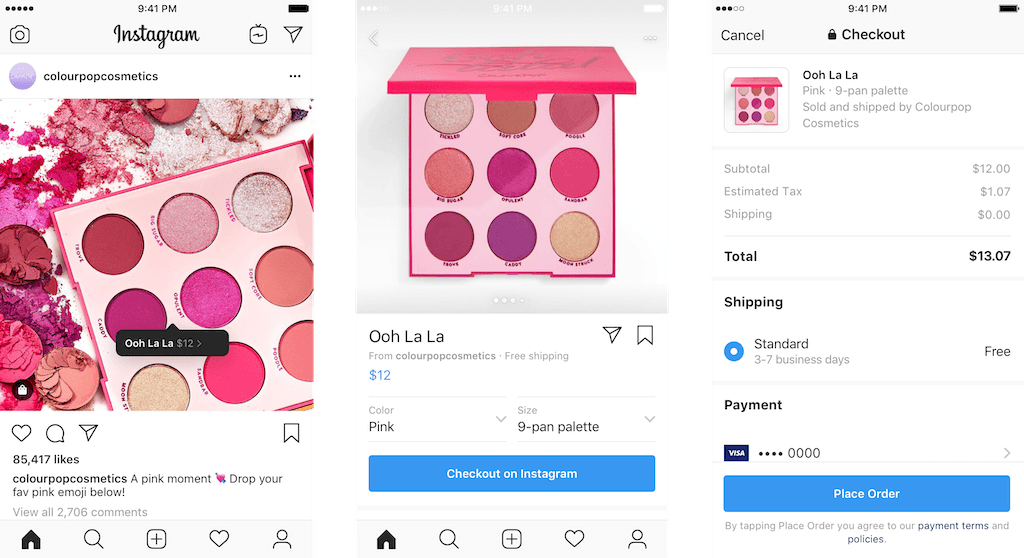
Instagram has announced a new in-app checkout feature that will allow consumers to purchase items from brands they follow from within the app.

In a press release, Instagram explains that when you tap on a product from a participating brand, you’ll see a new ‘Checkout on Instagram’ button that displays options like colors and size when tapped. After any necessary selections are made, the app advances to a payment view where you enter billing and shipping information.

You’ll only need to enter billing and shipping information once. Instagram says it will store that information securely to make future checkouts faster. The new feature also tracks the progress of shipments from within the app itself providing alerts about status changes.

The advantage to Instagram and retailers is obvious. It will be easier for brands to make a sale if users don’t have to leave the Instagram app, which, of course, is in Instagram’s interest too. Currently, Instagram lists 23 brand-partners including companies like Nike, Prada, Zara, Michael Kors, H&M, Adidas, Burberry, Dior, and Warby Parker.

Instagram says the checkout feature is currently in closed beta and limited to the US Instagram users. The company hasn’t provided a launch date or indicated when it might be available in more countries.


The New 21.5 and 27-inch iMacs: The MacStories Overview

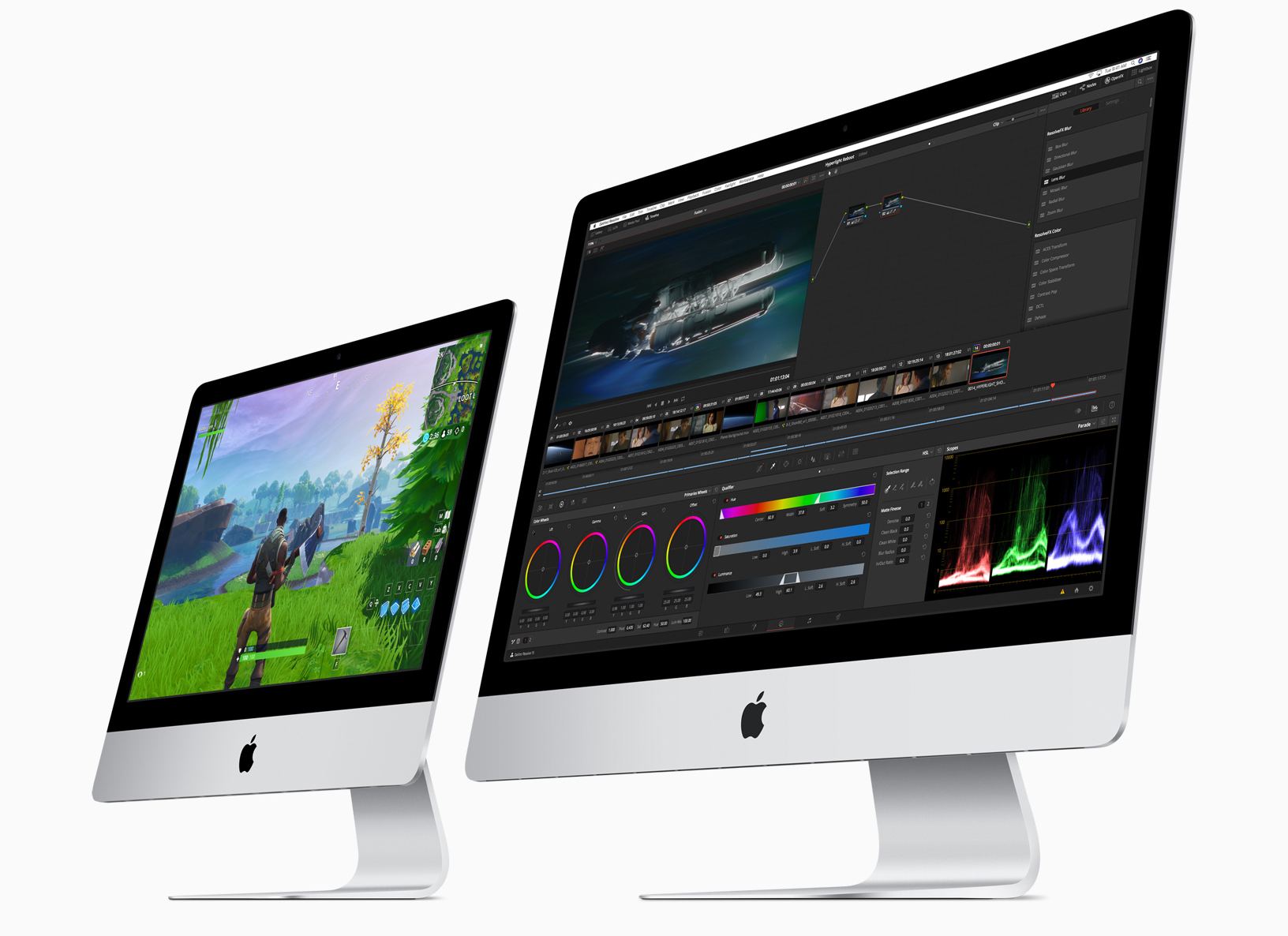
Today, Apple has updated its online store with improved iMacs. Although the iMac Pro models were updated in December 2017, the non-Pro version hadn’t seen an update since June 2017, the longest time ever between iMac revisions according to MacRumors. The new iMacs, which were announced via a press release, include new base models and custom-build options for the 21.5 and 27-inch models that will allow customers to configure an iMac that rivals the specs of the lower-end iMac Pro models.

Read more


AppStories, Episode 103 – Reading Apps

On this week’s episode of AppStories, we discuss our favorite reading apps including Apple Books, Kindle, Comixology, and Shonen Jump.

Sponsored by:

  • Hoban Cards - Thoughtfully designed letterpress-printed business cards & stationery for creative individuals and small businesses. Use the code MacStories for $10 off your first order.
  • Setapp, from Macpaw - More than 100 powerful apps for your Mac.

https://staging.macstories.net/podcasts/appstories/episodes/103/embed/

Permalink

Reading Apps

AppStories+ Deeper into the world of apps

AppStories Episode 103 - Reading Apps

0:00
32:25

AppStories+ Deeper into the world of apps

This week, Federico and John discuss their favorite reading apps including Apple Books, Kindle, Comixology, Shonen Jump and Apple News.

Read more


Stanford Medicine Presents Results of the Apple Heart Study

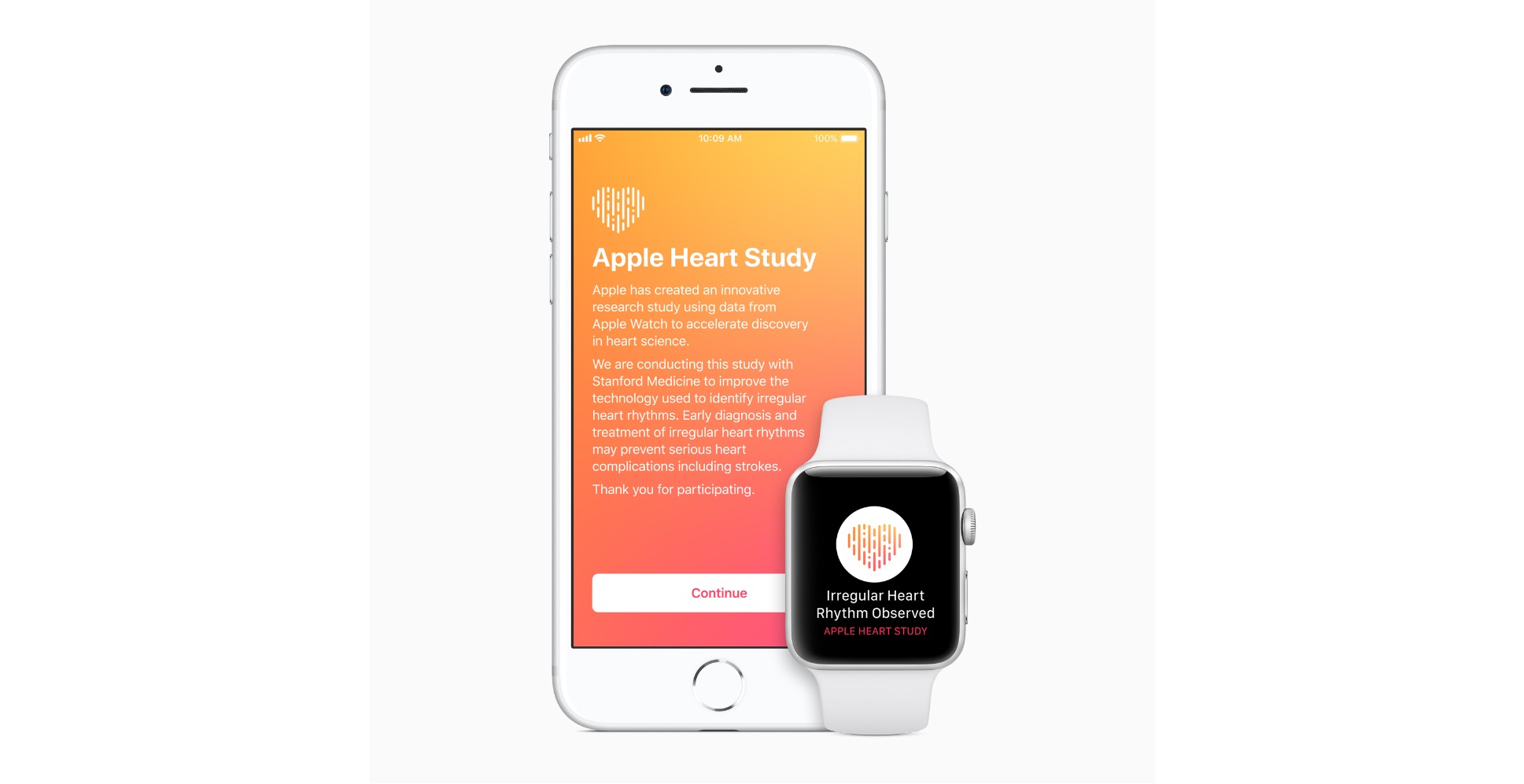
Over 400,000 people participated in the Apple Heart Study, which used the Apple Watch to collect irregular heart rhythm data from participants for eight months. When an irregular rhythm was detected and suggested the possibility of arterial fibrillation, the Watch sent the user a notification. Study participants who got the notification were contacted telephonically by a doctor and given an electrocardiogram patch for further monitoring.

This weekend, Stanford Medicine reported the results of the study at the American College of Cardiology’s Annual Scientific Session and Expo in New Orleans. The study showed that 0.5% of participants received irregular rhythm notifications putting to rest concerns in some quarters that the Apple Watch’s sensor would overburden health professionals with false positives. In a press release, Jeff Williams, Apple’s Chief Operating Officer said:

We are proud to work with Stanford Medicine as they conduct this important research and look forward to learning more about the impact of Apple Watch alongside the medical community. We hope consumers will continue to gain useful and actionable information about their heart health through Apple Watch.

We’re still in the early days of the potential healthcare benefits of wearable devices like the Apple Watch, and it’s encouraging to see results like these, which show the potential good that can come from arming people with information to help them get the care they need.


Apple Responds to Spotify’s Claims of Anticompetitive Behavior

In a lengthy response, Apple has addressed many of the allegations leveled against it by Spotify earlier this week. As we reported, Spotify has filed a complaint with the European Commission alleging that Apple’s treatment of the music streaming service is unfair and anti-competitive. Today, Apple fired back with a response to many of Spotify’s contentions.

Apple denies it has blocked access to its products and updates. To the contrary, the company says it has approved over 200 updates to Spotify’s app and reached out to inquire about the adoption of features like Siri and AirPlay 2. Apple says the only time it has requested changes to Spotify’s apps is when the company ‘has tried to sidestep the same rules that every other app follows.’

Apple also takes issue with what it characterizes as Spotify’s desire for the benefits of a free app without being free. Long gone are the days when apps were either free or paid. Spotify, like many other apps, offers a free music streaming tier. Spotify doesn’t pay Apple anything for those free users or users that sign up for streaming through other channels like mobile carriers. For Spotify’s paid subscribers, Apple receives 30% in year one and 15% after that for access to its platform and payment system, which the company says Spotify is unfairly trying to sidestep.

Finally, Apple claims that Spotify’s complaints against it are just one facet of a pattern of actions that are in Spotify’s economic interests but are damaging to musicians and the music industry. As evidence of this, Apple raises recent moves by Spotify against songwriters after the US Copyright Royalty Board required Spotify to increase royalty payments.

I don’t know whether Apple’s actions constitute unfair and anti-competitive behavior under EU law. Separate and apart from the legalities of the situation though, Spotify’s complaints have struck a chord because they come at a time when new online app stores are taking a significantly smaller cut of revenue. Spotify has other legitimate complaints, like its frustrations with App Review, but what seems to really be driving the dispute is how much Apple charges for access to the App Store and its payment system. Now more than ever, Apple’s 30% cut looks like a bad deal even when that cut is reduced to 15% for the second year of subscriptions.

What makes this dispute unique is that Spotify competes with Apple Music and is big enough to grab public attention and raise the stakes for Apple by getting European regulators involved. Usually, this sort of fight would play out privately, but by making their disagreement very public and involving regulators, Spotify may have taken the outcome out of its and Apple’s control.


Apple Illustrates iPhone Privacy with Real-World Analogs

Finding a way to convey the benefits of privacy isn’t easy, which is why I like Apple’s ‘Privacy on iPhone – Private Side’ video so much.

The video, which runs under a minute, opens with images of several ‘No Trespassing,’ ‘Keep Out,’ ‘Beware of Dog,’ and other signs. In a series of quick cuts, the video shows two people who pause an intense conversation when interrupted by a waiter as well as people locking file cabinets, closing blinds, locking doors, shredding documents, and more. Near the end, a woman rolls up the window of a car when she sees someone nearby watching her put on makeup.

As Apple’s description of the YouTube video says:

Your privacy matters. From encrypting your iMessage conversations, or not keeping a history of your routes in Maps, to limiting tracking across sites with Safari. iPhone is designed to protect your information.

Every clip of the video, which adds a bit of levity to an otherwise serious topic, reinforces the closing message that ‘If privacy matters in your life, it should matter to the phone your life is on.’

The video is an effective rebuttal of the ‘I have nothing to hide’ argument against privacy. Even the mundane aspects of day-to-day life aren’t something that you necessarily want to broadcast to the world, which this video is very effective in conveying.

Permalink