Federico
AppStories Episode 92 - Introducing the 2018 MacStories Selects
0:00
37:52
37:52
This week, Federico and John unveil the MacStories team’s 2018 MacStories Selects for Best New App, Best New Game, and Best App Update.


 Introducing the 2018 MacStories Selects
 Although Amazon initially indicated that it would be out the week of December 17th, Apple Music support has begun to roll out on Amazon Echo devices today in the US.
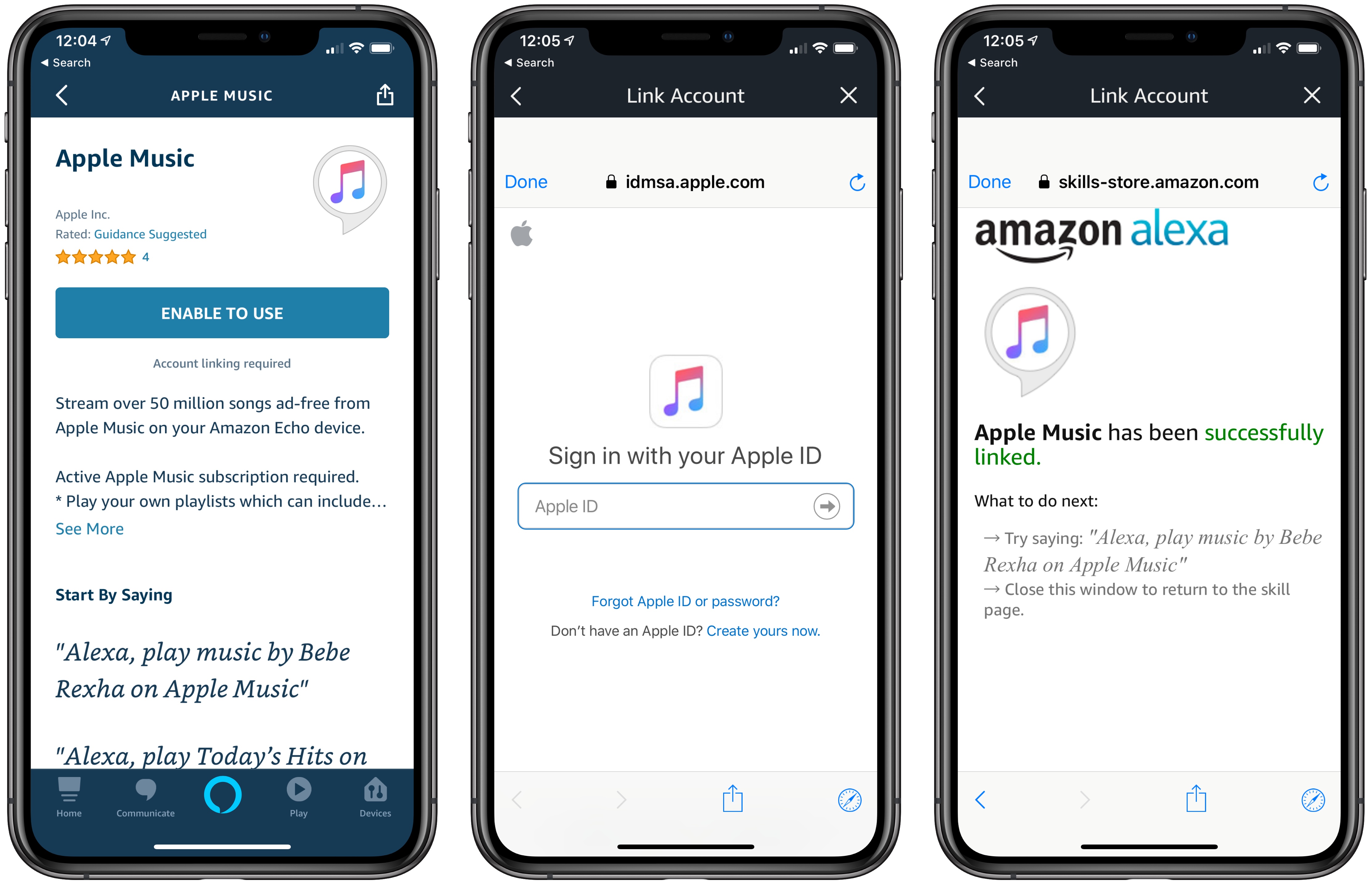
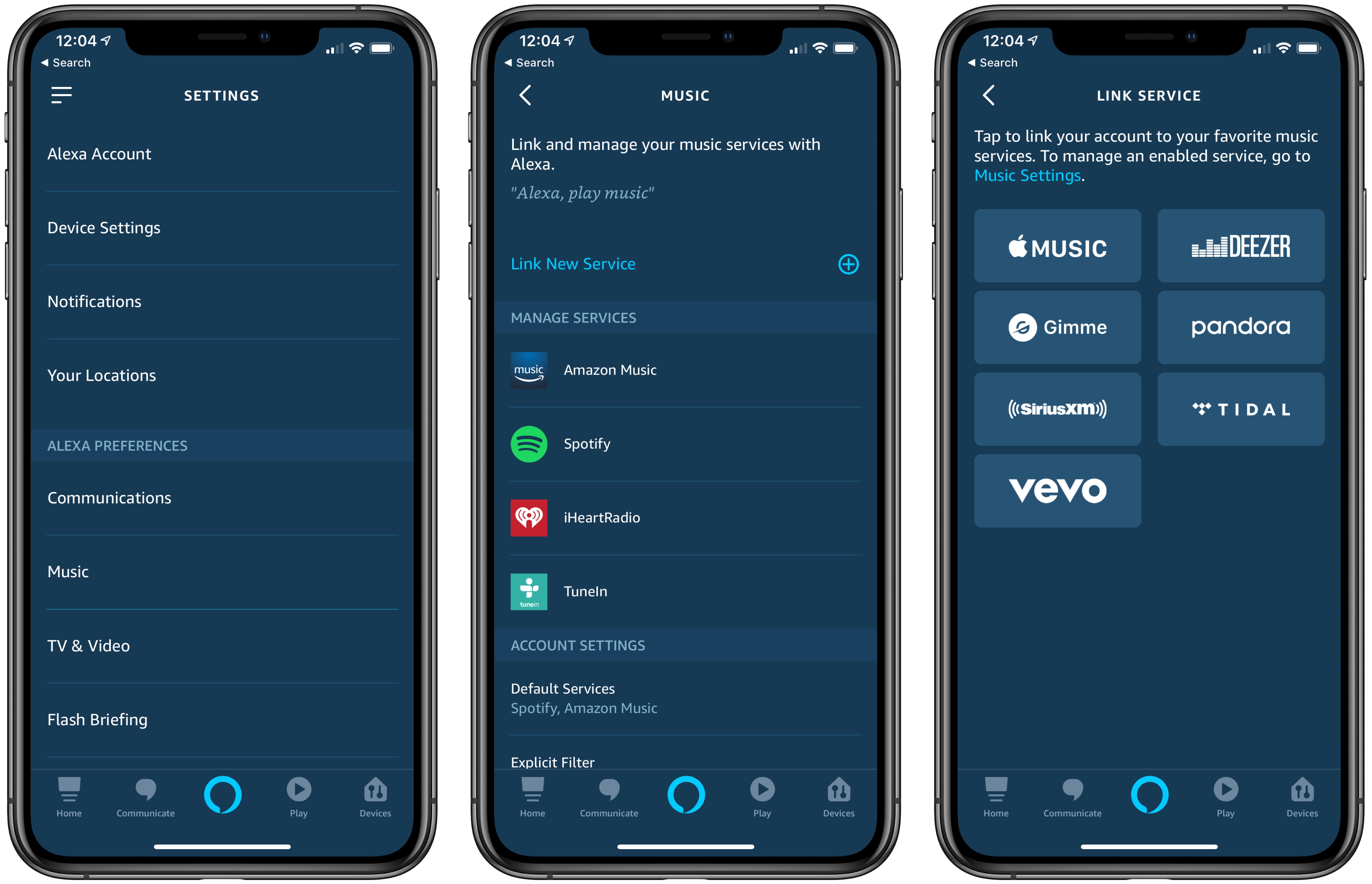
To set up Apple Music on the Echo, open the Alexa iOS app and go to the Music section of the app’s Settings. You won’t see Apple Music listed as an existing service, so tap the ‘Link New Service’ button, which will list Apple Music along with several other services.
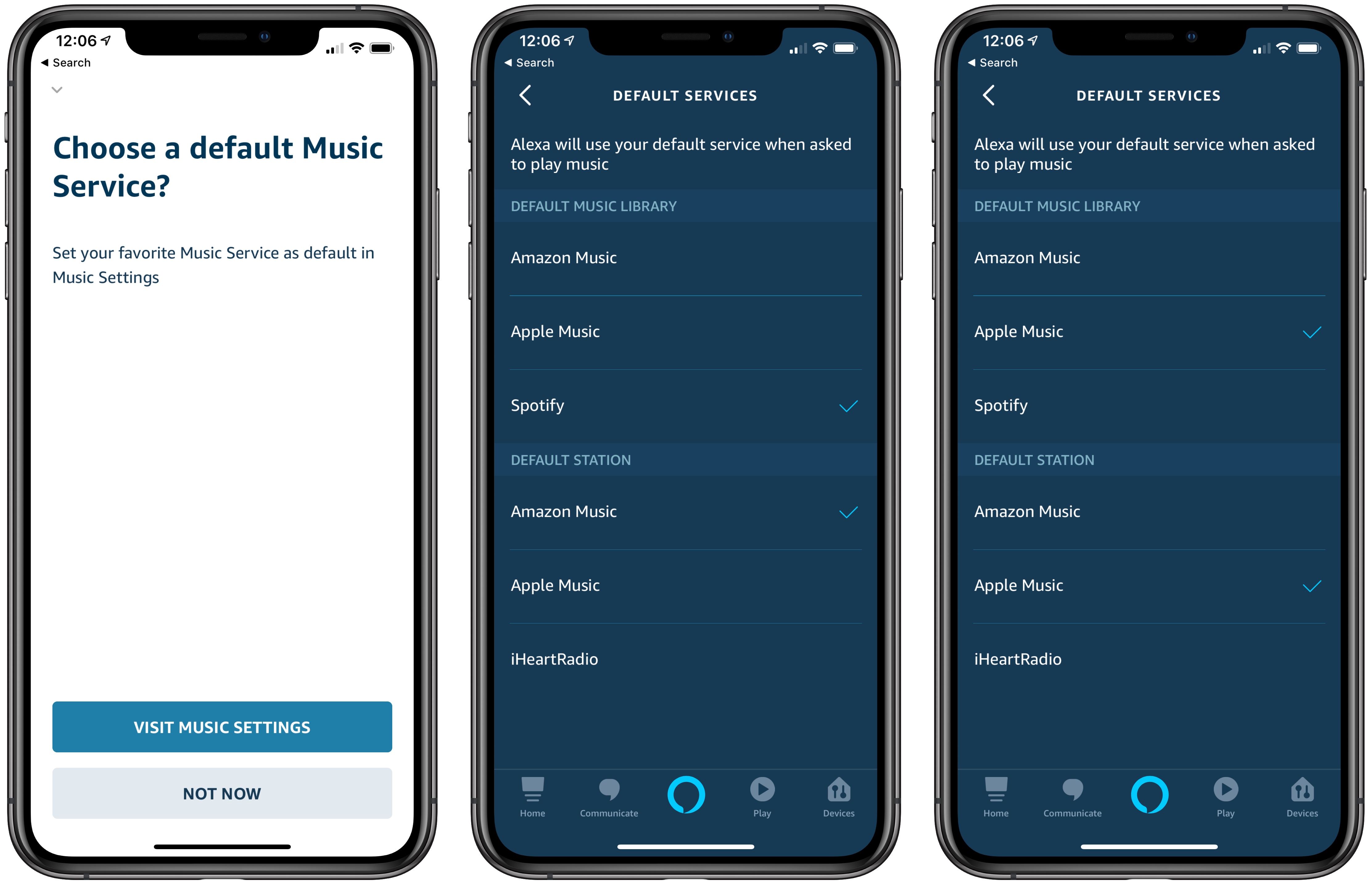
Once you’ve logged in with your Apple Music credentials, the Apple Music Skill is enabled, which allows you to say things like ‘Alexa, play my New Music Mix on Apple Music.’ You can separately set Apple Music as your default music service, which lets you use Alexa to request music without specifying ‘on Apple Music.’ When you make a request for music Alexa will let you know that playback is coming from Apple Music with a response like ‘Playing New Music Mix from Apple Music.’
Not all of the Apple Music features that work on a HomePod work with an Echo. For example, although Alexa will acknowledge your feedback if you say you like a song, that does not result in the songs being marked as ‘liked’ in Apple Music or iTunes. Nor can Apple Music be triggered through third-party Alexa apps like Astra. However, for basic playback of playlists, albums, and songs, the new integration works well.
At least one thing you cannot do with a HomePod is available on the Echo. With Apple Music activated, you can set alarms to play specific playlists as Zac Hall demonstrates on 9to5Mac, which is handy.
Overall, Apple Music’s integration with the Amazon Echo is about what you would expect. If you’re an Apple Music subscriber and use Echo devices, the option of using your Apple Music subscription is a nice addition, but it’s also a development that has the potential to help drive consumer adoption of the Echo and Apple Music.
 Q&A
Q&A Question: I share a Google calendar with my wife, but when I add an event it takes a while to sync to other devices. Is it possible to speed it up or should I use an iCloud calendar instead? Which service are you guys using and why?
I’ve used shared Google calendars in the...
App Debuts Gone Home Five years after its original release, Gone Home is now available on iOS. The first-person mystery was released in 2013 to critical acclaim. When you return home from overseas, you arrive to an empty house where something is clearly wrong. By exploring the house and its contents, the story of what became...
1Blocker X It’s worth saying up front that I’m not in favor of blocking ads indiscriminately across all sites. After all, MacStories relies on advertising as one of its sources of income. Still, there are sites that overload pages with distracting ads and other page elements, run all sorts of trackers, and use excessive JavaScript, all...
Apple Music Connect, which once had a tab to itself in Apple’s Music app, was a multimedia feed of artist-submitted posts that debuted with the company’s music streaming service. The feature never really got traction after an initial flurry of posts by artists, and in the latest versions of Apple Music and iTunes, it was buried at the bottom of the ‘For You’ section and on individual artists’ pages.
According to Zac Hall at 9to5Mac, artists were contacted by Apple today with news that the company is ending Connect, which is backed up by a support page also cited by Hall. As of today, artists can no longer post Connect content, and existing posts are no longer visible in the Music app or iTunes. However, Apple also told artists that previously-uploaded content would remain available until May 24, 2019, via search.
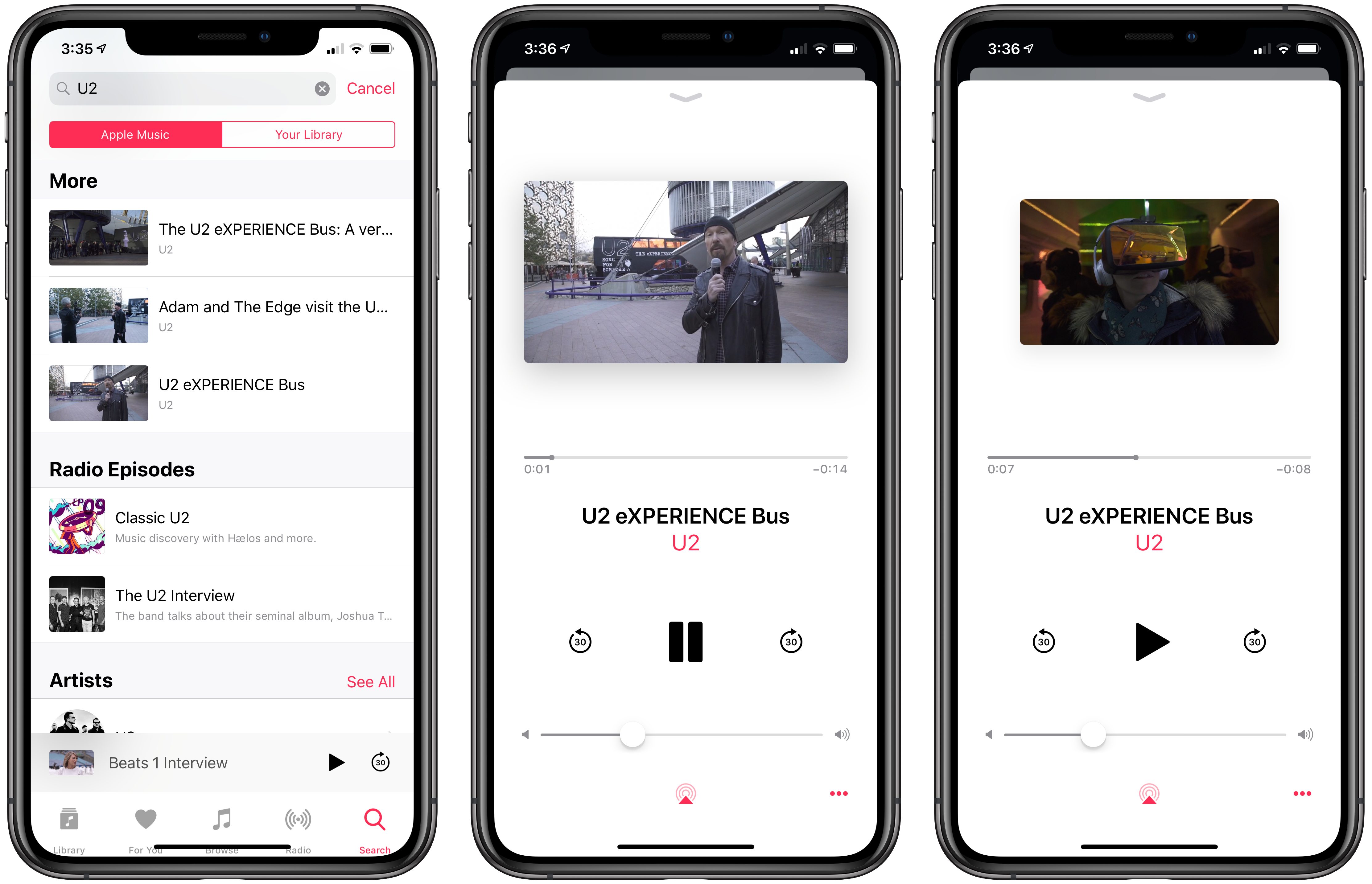
Based on searches of artists who I recalled having participated in Connect, it looks as though that content is included in the ‘More’ section of search results. Presented outside the context of an explanatory post, some of the material, like U2’s tour of its eXPERIENCE VR bus in the screenshots above, feels out of place. However, I’m glad Apple has chosen to preserve Connect content for the time being because it also included things like alternate versions of songs and other material that is valued by fans. Hopefully, the best of that content will surface elsewhere for fans to enjoy.
Connect wasn’t Apple’s first attempt to bring music fans and artists together. Ping, Apple’s attempt at a music-themed social network that NPR called one of the worst ideas of 2010, failed more swiftly than Connect. The third try may be the charm, however. With iOS 11, Apple introduced the ability to follow friends as a way to discover new music, which has been met with greater acceptance by users.
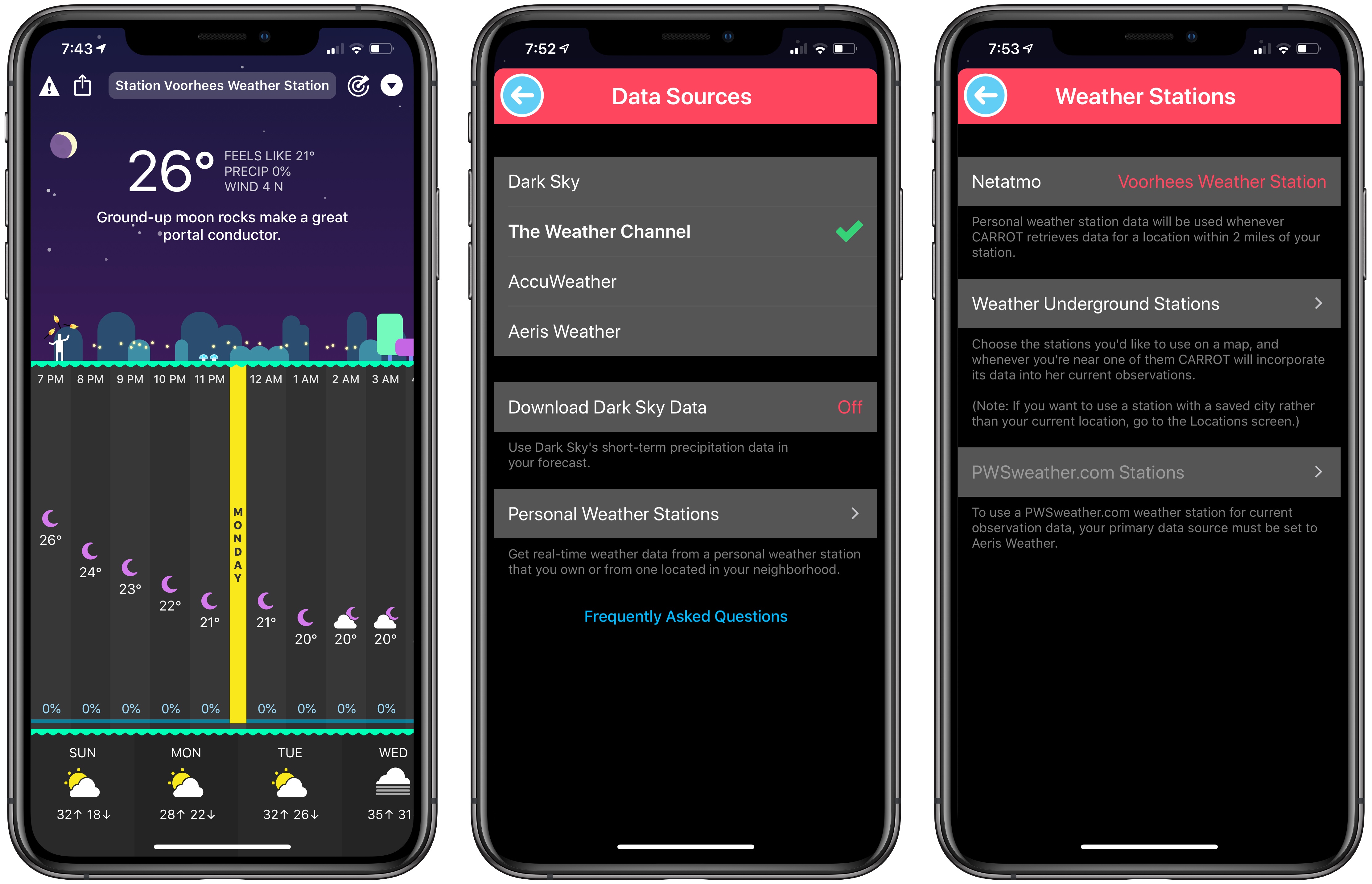
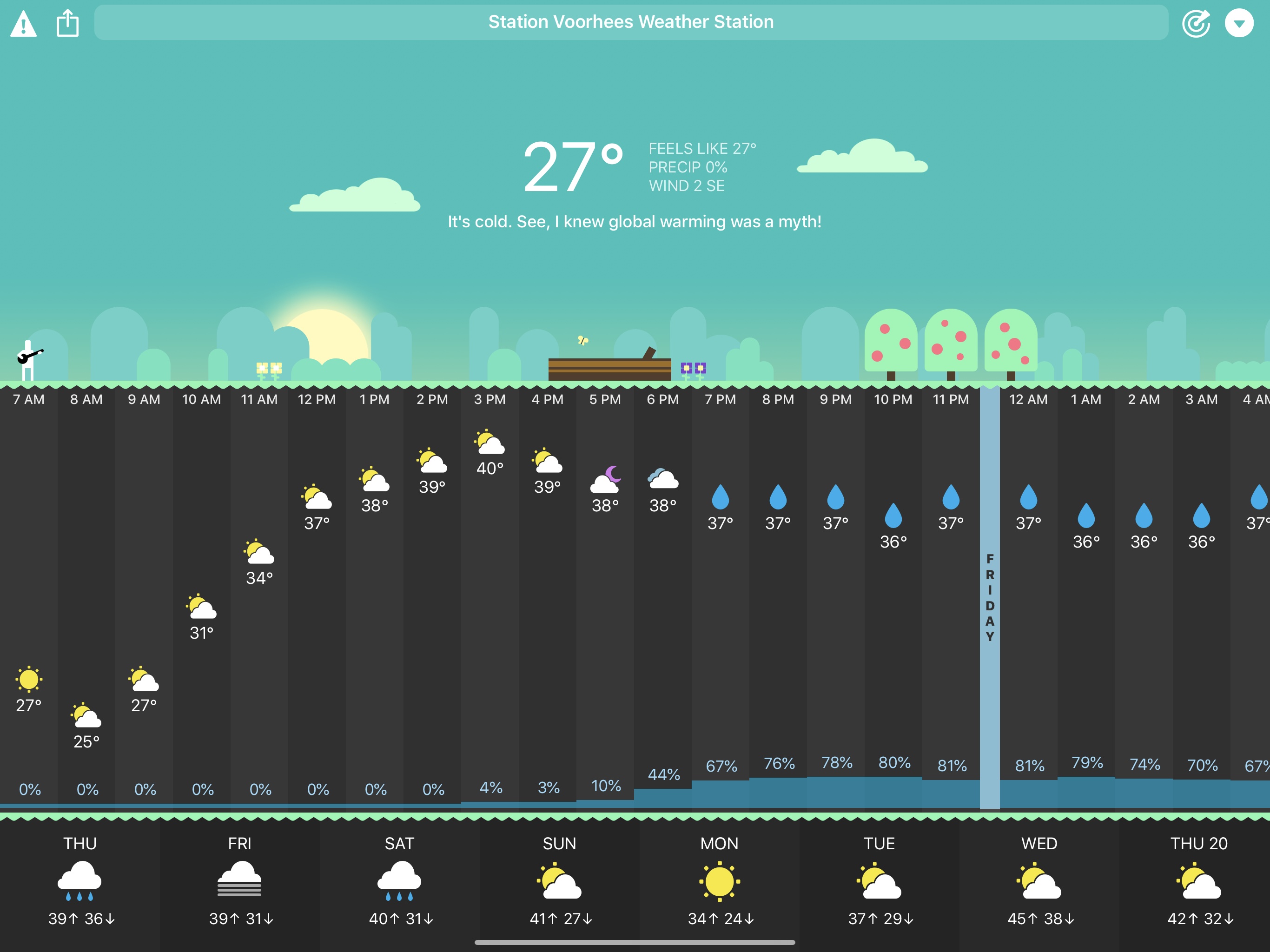
One of the nerdy features of CARROT Weather I love is its support for personal weather stations as a data source. Not long ago, Federico explained on AppStories that the weather station down the street from him had shut down, so he could no longer use it as a source in CARROT. I suggested he get a Netatmo Personal Weather Station and connect it to Weather Underground’s network of stations, but at about the same time Weather Underground ended its support for the Netatmo device, which left us both without a hyper-local weather source. It wasn’t a huge deal, but there’s something fun about knowing that the temperature you’re seeing in CARROT is the precise temperature outside your window and not some weather station that may be miles away from your home.
With today’s update, CARROT has stepped in with direct support for the Netatmo weather station as well as other new data sources. For the Netatmo device, all you need to do is sign in using the same login you use for Netatmo’s dedicated app, and as long as you’re within two miles of your home, CARROT will include the data collected by the Netatmo device.
Dark Sky is the default data source for CARROT, but users have three other options. The first is The Weather Channel, which provides the most extended-range forecast (data covering the next 360 hours and 15 days), is available worldwide, and can access personal weather stations connected to the Weather Underground network. CARROT has also added AccuWeather and AerisWeather as data sources. The AerisWeather option includes PWSweather.com personal weather station data. Users have the option of including Dark Sky’s short-term precipitation in CARROT even if The Weather Channel, AccuWeather, or AerisWeather is their data source.
Personal weather stations connected to the Weather Underground system and PWSweather.com can be selected from a map allowing you to pick one closest to where you live. Other than the personal weather station access through the Weather Channel’s API though, Weather Underground data, which was previously a data source option in CARROT, has been removed because IBM, which owns Weather Underground, has discontinued its API.
CARROT Weather’s update includes a host of other smaller additions too:
I’m glad Brian Mueller has expanded the data source options for CARROT Weather. The best source varies depending on where you are, and with more sources, CARROT should be a better option for more users going forward. I especially like the personal weather station integration. Whether you have a weather sensor yourself or want to piggy-back on another publicly-available station nearby, they’re an excellent way to track hyper-local conditions.
CARROT Weather is available as a free update to existing users on the App Store.

Apple has announced a significant expansion across the US, including an expanded presence in Austin, a city where it currently employs over 6,000 people. Over the next three years, Apple also plans to grow to more than 1,000 employees in Seattle, San Diego, Culver City and add hundreds of jobs in New York, Pittsburgh, Boulder, Boston, and Portland. The company is also expanding its data centers in places like North Carolina, Nevada, Iowa, and Arizona.
At the center of the announcement though is a new facility that will be located in North Austin not far from Apple’s current Austin campus. The new office will cost over $1 billion to build and sit on a 133-acre site, 50 acres of which will be set aside for open space. Initially, the Austin campus will house 5,000 employees, with the ability to expand to as many as 15,000. The new complex will run on 100% renewable energy too.
Regarding the new site and the company’s expansion plans across the US, Apple CEO Tim Cook said:
“Apple is proud to bring new investment, jobs and opportunity to cities across the United States and to significantly deepen our quarter-century partnership with the city and people of Austin,” said Tim Cook, Apple’s CEO. “Talent, creativity and tomorrow’s breakthrough ideas aren’t limited by region or zip code, and, with this new expansion, we’re redoubling our commitment to cultivating the high-tech sector and workforce nationwide.”
Overall, Apple added 6,000 jobs in the US during 2018 to bring its total US employee count to 90,000.
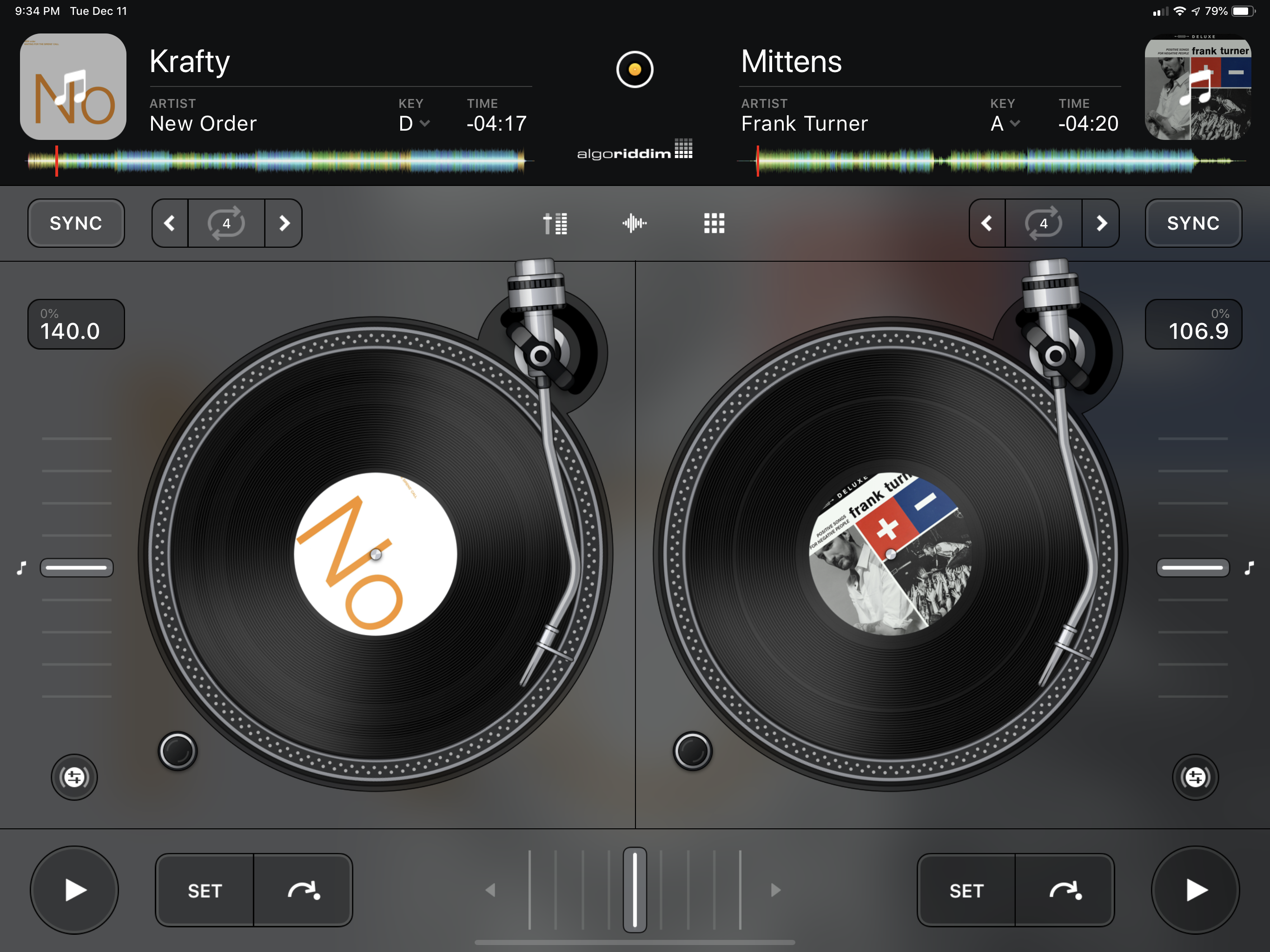
During the October iPad Pro event in Brooklyn, New York, Apple briefly showed off an upcoming version of djay by Algoriddim. Today, djay 3.0 was released on the App Store as a universal app that’s free to download with premium features available as a subscription.
Previously, Algoriddim offered free and paid iPhone apps as well as separate paid iPad apps. Add-ons like audio effects and skins were available separately as In-App Purchases. Algoriddim also offered a video mixing app called vjay. Today’s launch of version 3.0 consolidates all of those apps into one with a simplified pricing model.