John Voorhees

5429 posts on MacStories since November 2015

John is MacStories' Managing Editor, has been writing about Apple and apps since joining the team in 2015, and today, runs the site alongside Federico. John also co-hosts four MacStories podcasts: AppStories, which covers the world of apps, MacStories Unwind, which explores the fun differences between American and Italian culture and recommends media to listeners, Ruminate, a show about the weird web and unusual snacks, and NPC: Next Portable Console, a show about the games we take with us.

Sonos Adding Support for Amazon Echo and Spotify

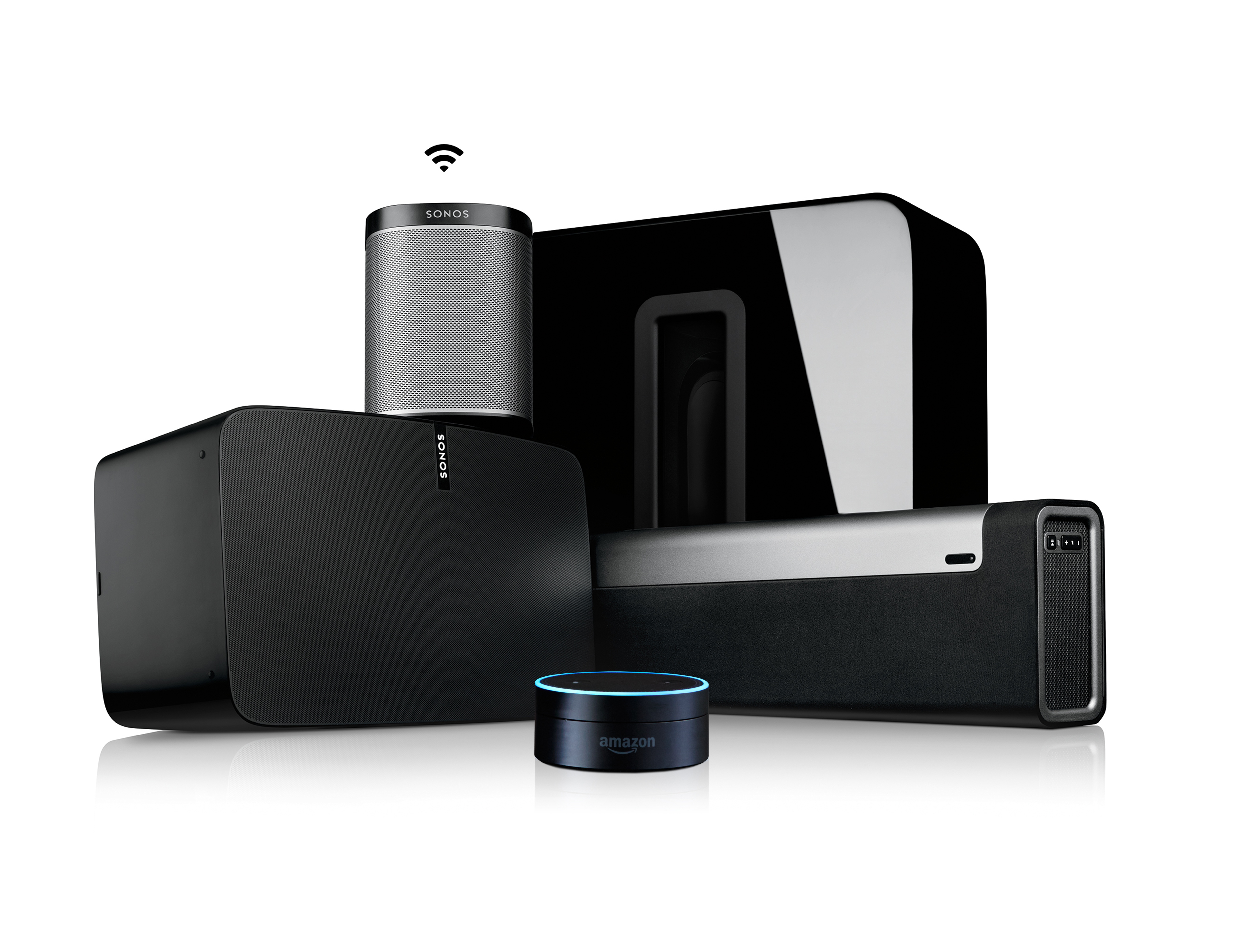
In a March blog post announcing layoffs, Sonos CEO John MacFarlane made cryptic comments about bringing voice control to Sonos that specifically called out Amazon’s work with the Echo. According to The Verge and Variety, Sonos unveiled plans today to integrate Sonos with Amazon’s popular line of voice-controlled products beginning in 2017. A video released by the companies shows a family using an Amazon Echo Dot to play music, skip tracks, get artist information, and pause music. It is unclear from reports whether the Amazon integration is limited to Amazon’s music products or will be available to use with other services too.

Variety is also reporting that Sonos has struck a deal with music streaming service Spotify to allow Spotify customers to stream music to Sonos speakers directly from Spotify’s mobile app. Spotify will begin beta testing the new integration in October.
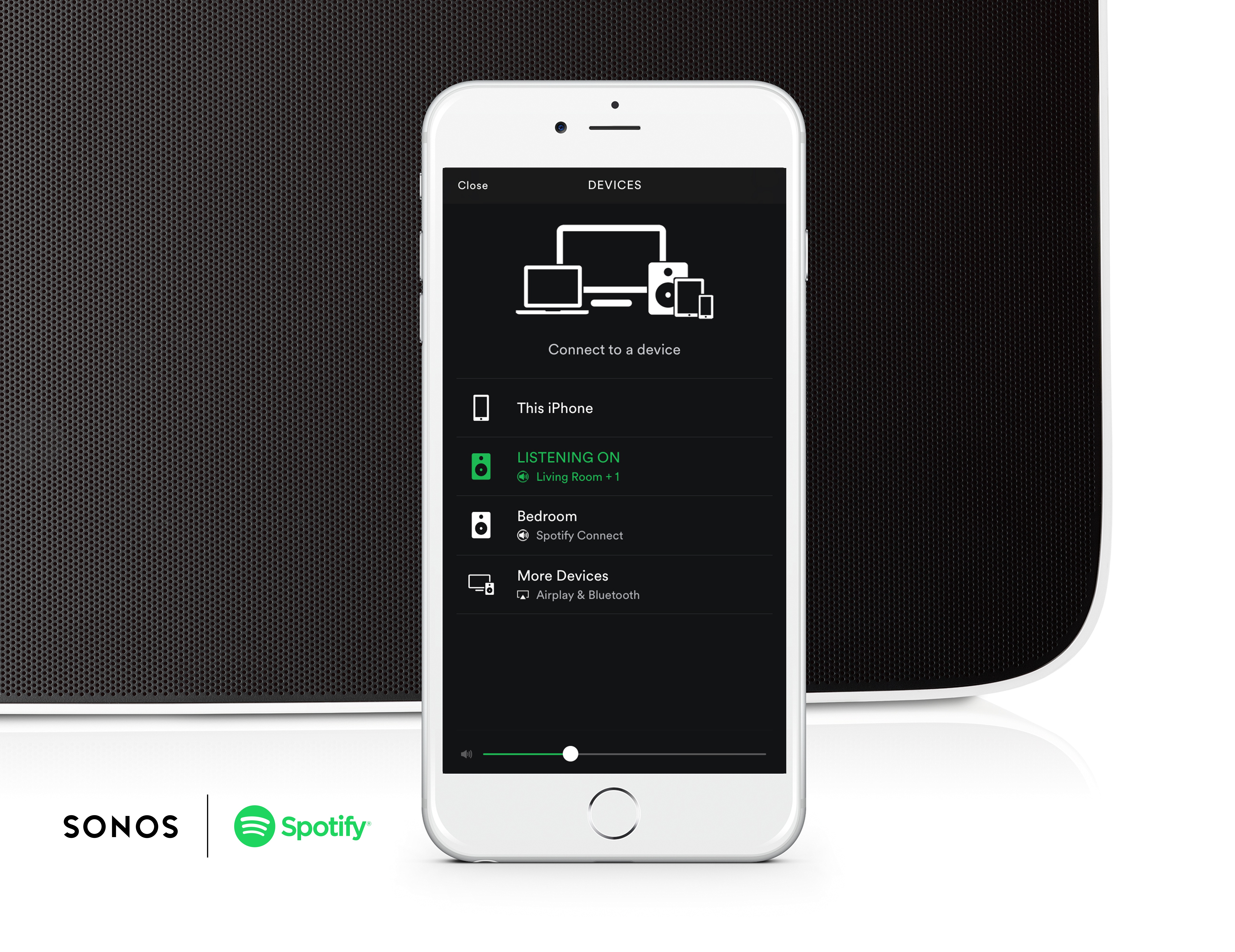
In February, Sonos added support for Apple Music in its own app. With these latest deals Sonos appears to be taking a Netflix-like approach to ensure it remains relevant by integrating with as many services and platforms as possible. The strategy makes a lot of sense given today’s highly competitive music streaming landscape.

For more on the Amazon/Sonos announcement, check out the video after the break.

Read more


Apple Announces September 7 Event

As first reported by Jim Dalrymple at The Loop, Apple has announced a media event for September 7 at 10 AM. The event will be held at the Bill Graham auditorium in San Francisco.

Based on recent speculation and rumors, Apple is widely expected to introduce a new iPhone 7 line, which may eliminate the 3.5 mm headphone jack and include a dual camera system in the higher-end model. A second generation Apple Watch and refreshed Retina MacBook Pros may also be announced at the event. There have been few rumors about what to expect from a new Apple Watch, but the Retina MacBook Pro is rumored to be thinner, lighter, and include a touch sensitive strip on the keyboard that replaces the function keys and can be programmed to perform different tasks.

In addition to hardware, Apple is expected to announce release dates for iOS 10 and macOS Sierra, which have been in public and developer beta since WWDC in June. As in the past, Apple should release a Golden Master seed of iOS 10 and macOS shortly after the event, with a public release to follow within about 10 days.


Game Day: Legend of the Skyfish

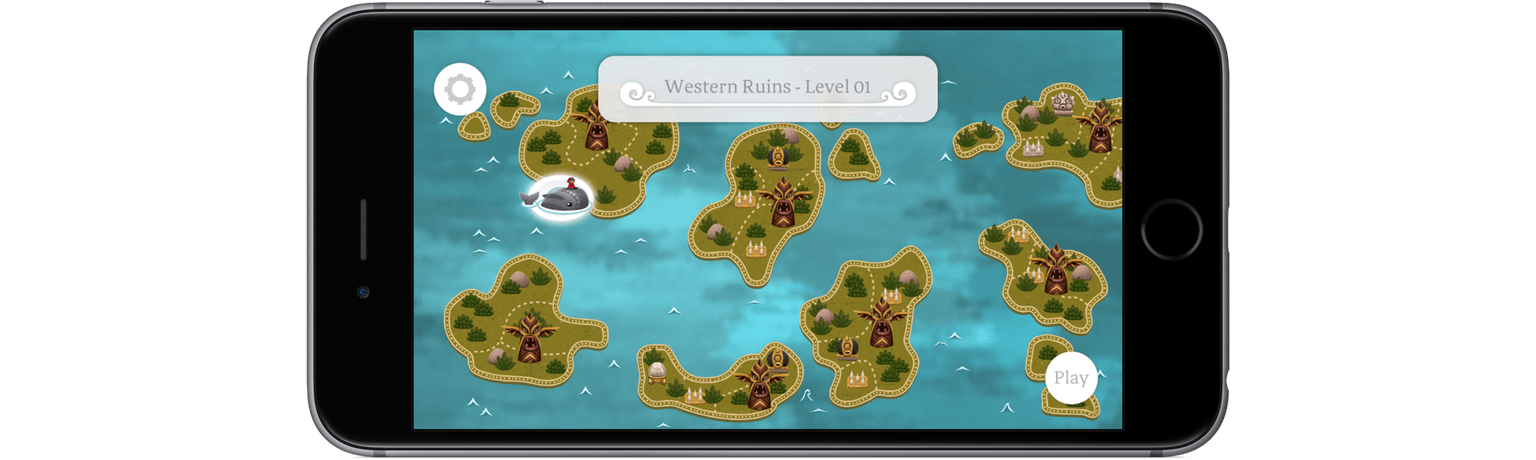
Legend of the Skyfish by Crescent Moon Games is an action-puzzle game that evokes Nintendo’s Zelda franchise, but has its own unique twist that will reel you in. Legend revolves around the tale of the Skyfish, an evil creature from deep below the ocean’s surface that was awoken by the greed of fishermen. Skyfish took over the surface world and enslaved its people. You play as a girl who was saved by the Moonwhale and is in search of her little brother.

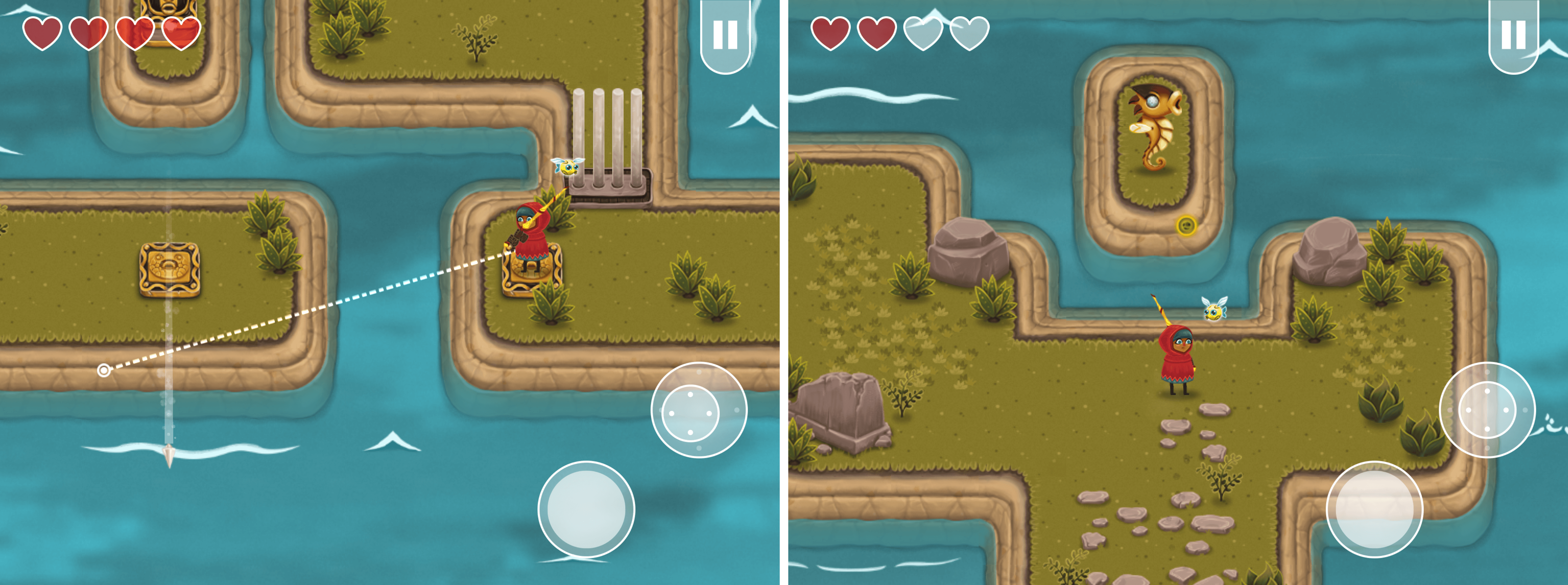
As the protagonist of the story, your main tool and weapon is a fishing pole. Whether it’s navigating the map, avoiding barriers, or defeating enemies, you can accomplish it all with your fishing pole. Fend off the attacks of mutant sea-people that roam the surface world by swinging your pole like a sword. Jump from island to island or move objects by casting your fishing line to hook special points on the map. Catch enemies and pull them into spikes and other obstacles with your fishing pole as an alternative to hand-to-hand combat. More than any other element, the creative uses to which you can put your fishing pole set Legend apart from other games.

Legend eases you into the game with several fairly easy levels in the first of three worlds, but does a nice job of getting progressively more difficult and imaginative with its puzzles. You move around the island world by dragging your finger in the direction you want to go. There are also two game pads. The first swings your pole like a sword. The second game pad casts a line from the fishing pole. By tapping the pad and shifting your finger, you aim the pole. Raising your finger launches your fishing line.

One thing that is sorely lacking from Legend is progress syncing. The game is available on iPhone, iPad, and the Apple TV, but there is no way to pick up where you left off across devices. I played on my iPad more than my iPhone, but both worked equally well. Touch is well-suited to aiming the fishing line. I played a few levels on the Apple TV too. Legend’s world looks gorgeous on a big screen, but I liked using the touch interface on iOS devices better than the Siri Remote’s tiny touch surface.

Legend has two things that help it transcend Zelda copy-cat status. The first is the clever fishing pole gameplay, which is unique and thoughtfully implemented. The second is enemies’ vulnerability to the game’s environment. Both aspects of Legend add a depth and novelty to navigating the colorful water-world and to combat that keeps the game fresh and fun throughout.

Legend of the Skyfish is available on the App Store for $3.99.


Inside Your iPhone’s Brain

Steven Levy has a fascinating inside look at Apple’s artificial intelligence and machine learning efforts on Backchannel. Levy spent most of a day with Eddy Cue, Phil Schiller, Craig Federighi, Tom Gruber, and Alex Acero in a wide-ranging discussion of the products impacted by those efforts. Perhaps the most interesting parts of the interviews revolved around what Levy refers to as the Apple Brain inside the iPhone:

How big is this brain, the dynamic cache that enables machine learning on the iPhone? Somewhat to my surprise when I asked Apple, it provided the information: about 200 megabytes, depending on how much personal information is stored (it’s always deleting older data). This includes information about app usage, interactions with other people, neural net processing, a speech modeler, and “natural language event modeling.” It also has data used for the neural nets that power object recognition, face recognition, and scene classification.

And, according to Apple, it’s all done so your preferences, predilections, and peregrinations are private.

Levy also covers the replacement of Siri’s smarts on July 30, 2014 with neural-net system. The impact according to Eddy Cue was immediate:

This was one of those things where the jump was so significant that you do the test again to make sure that somebody didn’t drop a decimal place.

Many people have commented that Siri has improved over time, but without the context beyond one’s own experience or metrics from Apple, the perceived change has been largely anecdotal. According to Acero, however:

The error rate has been cut by a factor of two in all the languages, more than a factor of two in many cases.… That’s mostly due to deep learning and the way we have optimized it — not just the algorithm itself but in the context of the whole end-to-end product.

Levy also delves into whether Apple’s stance on privacy hobbles its ability to effectively implement AI and machine learning. According to Apple, it does not. The most personal information remains on-device in the ‘Apple Brain.’ Other data, which is transmitted to Apple uses techniques like differential privacy, which is coming in iOS 10, to obfuscate a user’s identity.

The entire article is worth a read to get a sense of the breadth and depth of Apple’s AI and machine learning efforts and the impact on its products. It’s also fascinating to see Apple continue to open up on its own terms as a way to rebut recent criticisms leveled against it.

Permalink

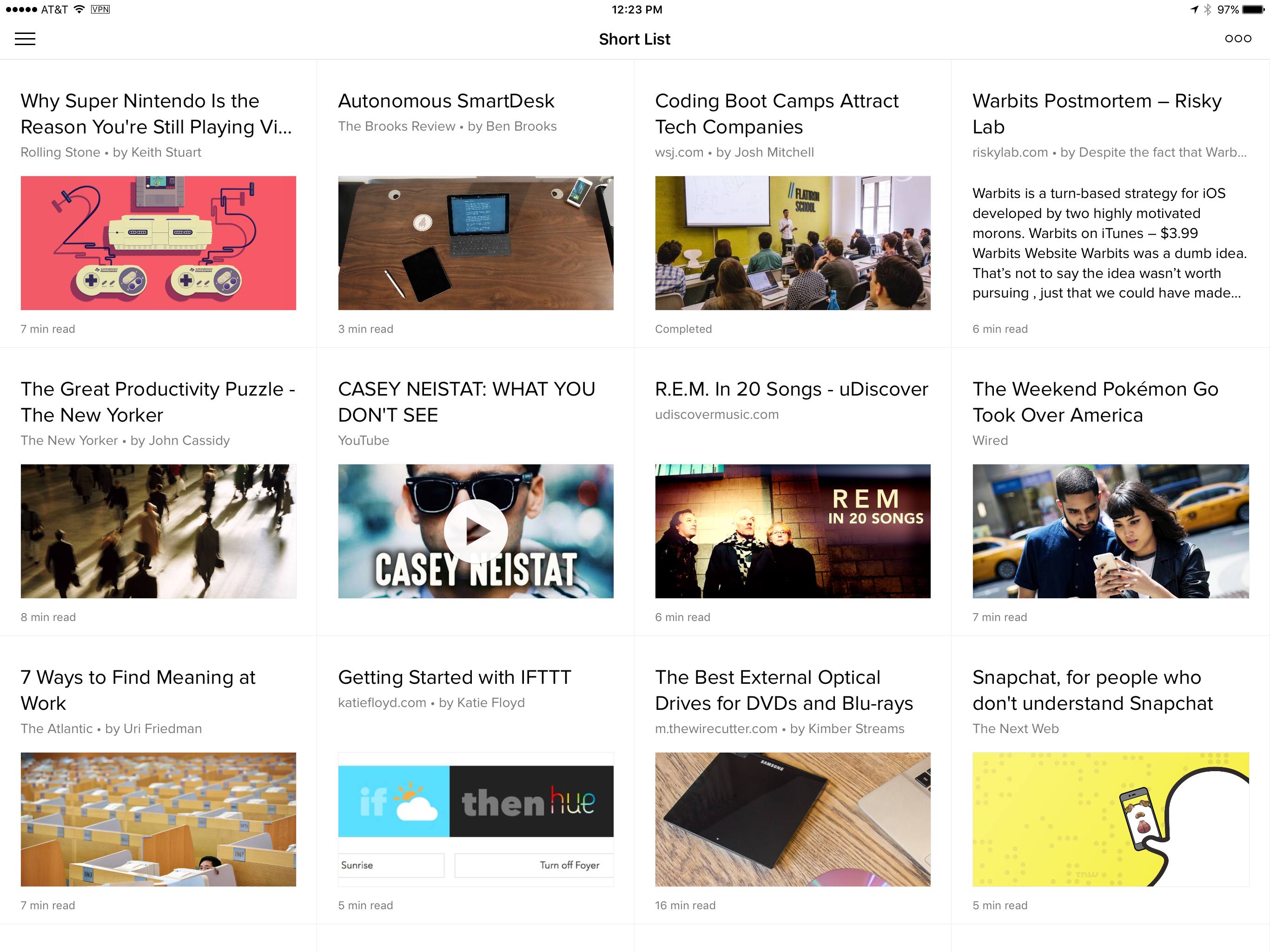
Pinterest Acquires Instapaper

In a surprising move, Pinterest has acquired Instapaper, the iOS app and web service originally built by Marco Arment and sold to betaworks in 2013. According to Casey Newton of The Verge:

The goal is “to accelerate discovering and saving articles on Pinterest,” the company said in a statement. It will continue to operate as a standalone app, and the Instapaper team will work on both that app and on Pinterest generally.

Pinterest has had an article saving feature since 2013, though the service is far better known as a way to bookmark images and other visual content. With the acquisition of Instapaper, which Pinterest says will be maintained as a stand-alone app, Pinterest appears to be looking for a way to expand its customer base into sectors adjacent to it’s core product.

Permalink

Twitter Enables Night Mode

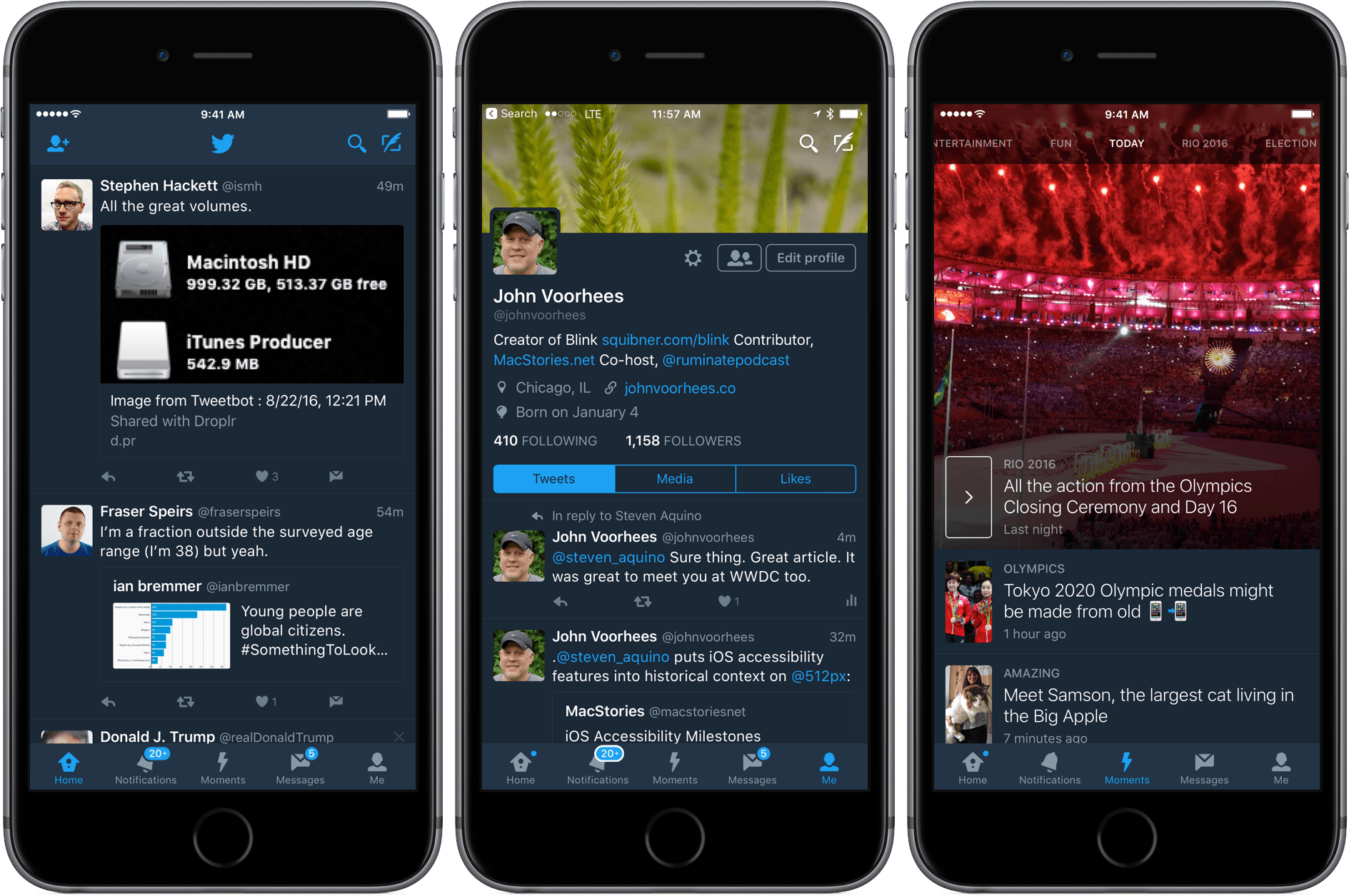
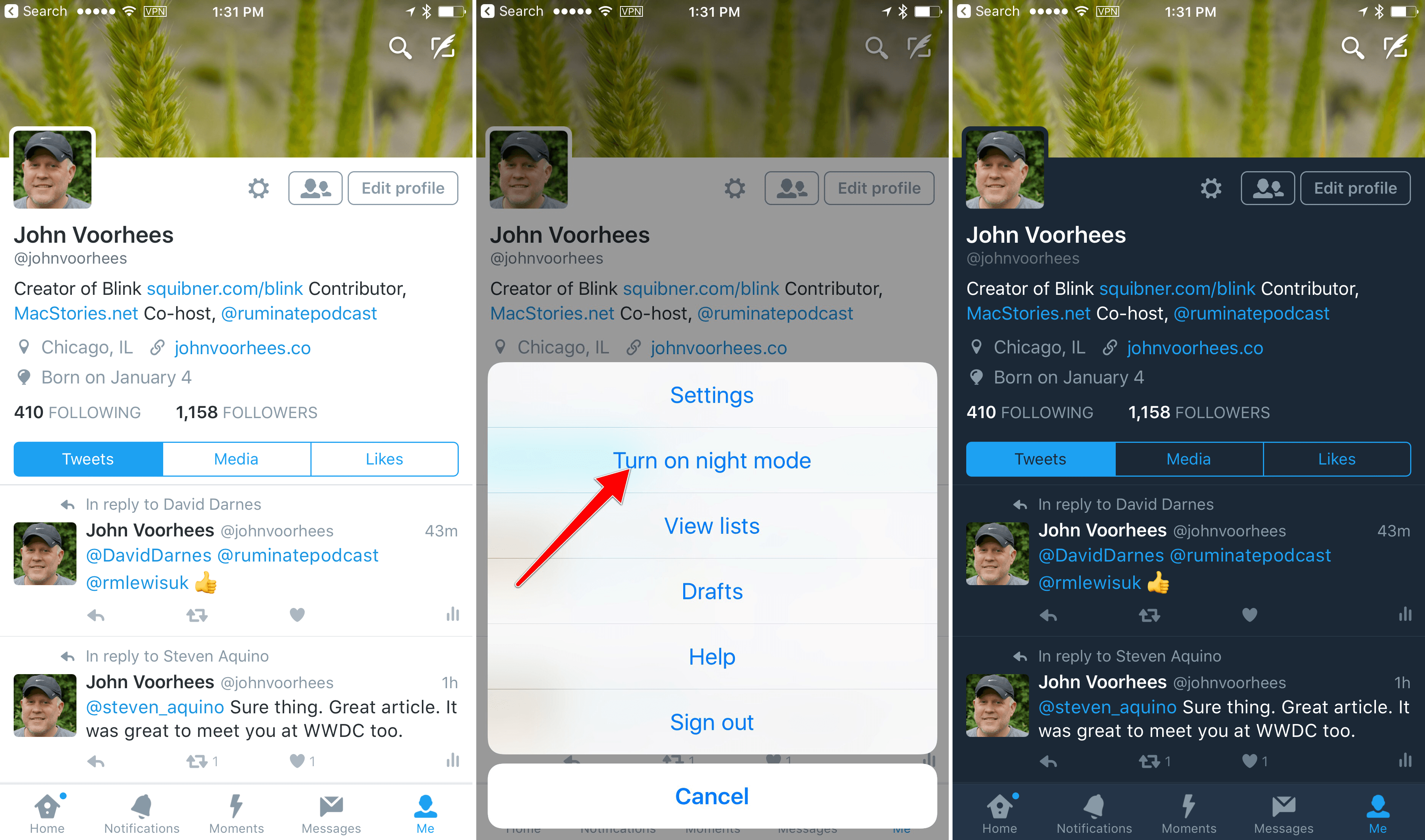
In beta for a while now, Twitter activated night mode in its official client today. From the ‘Me’ tab, tap the gear icon to ‘Turn on night mode.’ If you don’t see the night mode option, you may need to force quit Twitter first.

Turning night mode on.

Turning night mode on.

Twitter has done a very nice job with night mode. The background is a dark blue-grey, icons and secondary text are a lighter, complimentary grey, links and certain other buttons are bright ‘Twitter blue,’ and plain text is white. The overall effect looks great. With so many apps I use everyday adding night modes and dark themes, an iOS system-level night mode feels like the natural next step.


iOS Accessibility Milestones

The impact of the accessibility features built into iOS cannot be understated. Accessibility has opened doors to computing that were previously shut to many people with disabilities. With iOS 10 launching soon, Steven Aquino takes a look at iOS accessibility milestones in a guest post on 512 Pixels that focuses on five key features: VoiceOver, Guided Access, Large Dynamic Type, Switch Control, and Magnifier.

It feels like VoiceOver has been around forever, so it was interesting to be reminded that it didn’t debut until the introduction of the iPhone 3GS and has its roots in the short-lived buttonless iPod Shuffle. Of the other accessibility feature covered, the one that will probably be the least familiar to most readers is Magnifier, which is coming in iOS 10. Aquino believes that when we look back at iOS 10 in the future, Magnifier will be viewed as one of the greatest enhancements to iOS:

The reason I’m so effusive about Magnifier is the handiness of it. So often, I’m reading a restaurant menu or looking at price tags in the grocery store, and the print in set in small font. Where previously I would strain my eyes in order to see, now all I need to do is pull out my phone and triple-press the Home button to launch Magnifier.

Steven has written a lot about the accessibility of Apple products, including here at MacStories, and does a wonderful job putting each accessibility milestone into historical context. I encourage everyone to read the full article on 512 Pixels.

Permalink

Apple Acquires Health Care Start-Up Gliimpse

One of the most interesting quotes from Fast Company’s interview with Tim Cook a couple of weeks ago was his comment about healthcare:

When you look at most of the solutions, whether it’s devices, or things coming up out of Big Pharma, first and foremost, they are done to get the reimbursement [from an insurance provider]. Not thinking about what helps the patient. So if you don’t care about reimbursement, which we have the privilege of doing, that may even make the smartphone market look small.

Today, Fast Company is reporting that Apple has confirmed that it acquired start-up Gliimpse earlier this year. According to Fast Company:

Silicon Valley-based Gliimpse has built a personal health data platform that enables any American to collect, personalize, and share a picture of their health data. The company was started in 2013, and funded by serial entrepreneur Anil Sethi, who has spent the past decade working with health startups, after taking his company Sequoia Software public in 2000. He got his start as a systems engineer at Apple in the late 1980s.

Gliimpse feels like a natural fit with the Health app, HealthKit, ResearchKit, and CareKit, especially considering Apple’s focus on data privacy. It’s still very early days, but between recent keynotes featuring the health-related features of the Apple Watch and acquisitions like this, Apple’s commitment to exploring healthcare opportunities is unmistakable.

Permalink